Spain Weighs a Field Trial of GM Olive Flies
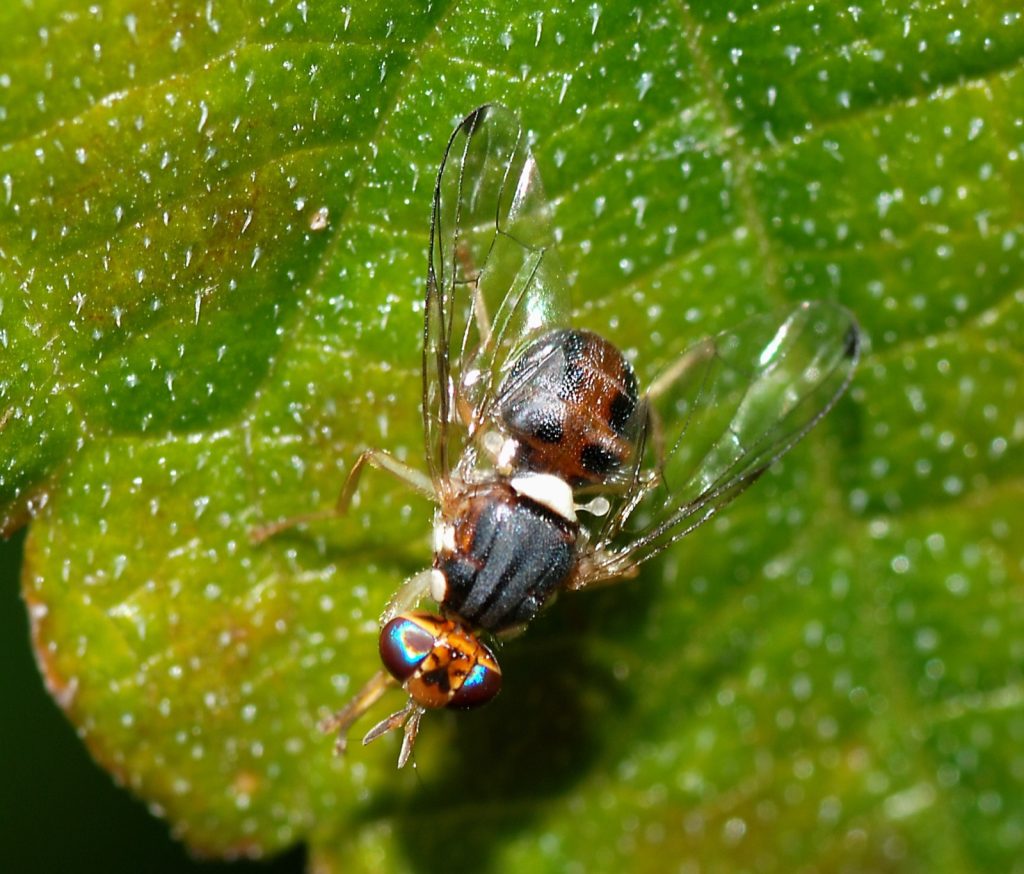
The British biotech company Oxitec has asked the Catalan government for permission to release genetically modified olive flies in a netted olive grove in Tarragona, in what critics say would be the first release of GM animals in the European Union. The application is under review and no decision has been made. Here is what Oxitec proposes, what its opponents fear, and why olive growers are watching closely.
What happened
The olive fruit fly, Bactrocera oleae, is the pest that keeps olive growers awake. Its larvae live inside the fruit, and in a bad year they can ruin a crop and the oil made from it. Today it is controlled mainly with insecticides, along with traps and, in some places, releases of sterile insects.
Oxitec has developed a modified strain, called OX3097D-Bol, and wants to test it in the field. According to Olive Oil Times, the company told the European Commission in January that only male flies would be released. When they mate with wild females, the female offspring fail to develop beyond the larval stage, so over time the wild population should shrink. In an article published in January, a researcher working with Oxitec wrote that in greenhouse trials the strain wiped out a wild-type population in less than two months.
La Vanguardia reported in early August that the proposed trial would use 48 olive trees covered with nets on a plot of about 1,600 square meters in Tarragona province, and would last about three months. The Catalan agriculture department is handling the request, with the opinion of Spain’s national biosafety commission also required. Joan Gòdia, the department’s deputy director general for agriculture, said the Generalitat would not say whether it will authorize the trial until the process is complete, and that it has asked the company for more information. A 30-day public information period is part of the procedure. Oxitec has also indicated plans for trials in Italy.
| The proposed trial | Detail |
|---|---|
| Applicant | Oxitec, United Kingdom |
| Insect | Olive fruit fly strain OX3097D-Bol, males only |
| Site | A netted plot in Tarragona province, Catalonia, about 48 trees |
| Length | About three months |
| Status | Under assessment by Catalan and Spanish biosafety authorities, no decision |
What the critics say
The German watchdog group Testbiotech says the trial would be the first release of genetically engineered animals in the EU, and recommends that the applications be rejected. Its spokesman Christoph Then argues that while the female offspring are meant to die as larvae, the males can live for months and mate again, and if they escape the nets they could spread, since olive flies can travel several kilometers. His sharpest point is commercial: genetically engineered larvae living inside olives are not allowed in food in the EU, so an escape could make a local harvest unsellable.
Oxitec’s case is that its method is more precise and greener than spraying, and that it targets only the olive fly. Its chief executive, Hadyn Parry, told Spanish media that because the female offspring never reach adulthood, the pest population gradually disappears.
What it means for growers and buyers
For growers, anything that cuts spraying for olive fly is interesting, especially for organic producers, who have fewer tools against it. For the olive oil trade, the question is different. Extra virgin olive oil sells on an image of purity: fruit, pressed, nothing added. Whatever the science says, a buyer who hears “GM” and “olives” in the same sentence may not wait for the details.
- This is a small, netted field trial, not a commercial release.
- No GM olives or GM olive oil are involved. The modification is in the fly, not the tree.
- The decision now sits with regional and national biosafety authorities.
In a bad fly year you can taste the damage. Oil made from stung, damaged fruit comes out high in acidity with winey, musty notes. The worst of it goes off to be refined, but a lot of borderline oil still finds its way into blends, and you taste it as a tired, flat bottle. The fly is one of the quiet reasons some years of supermarket oil are better than others, which is why the trade will argue about this trial far more than consumers ever will.
Sources
- La Vanguardia: Una empresa inglesa pide liberar moscas transgénicas en Catalunya (August 2013)
- Testbiotech: Plans to release genetically engineered flies in Spain and Italy (August 1, 2013)
- Olive Oil Times: Spain Considers Trial Release of Genetically Modified Olive Flies (August 27, 2013)