The “Burian” Freeze Batters Italy’s Olives
The olive fears the cold as much as it loves the sun. In early 2018 a Siberian freeze nicknamed the ‘Burian’ rolled into Italy and battered the groves — a vivid lesson in the one weather the olive cannot shrug off.
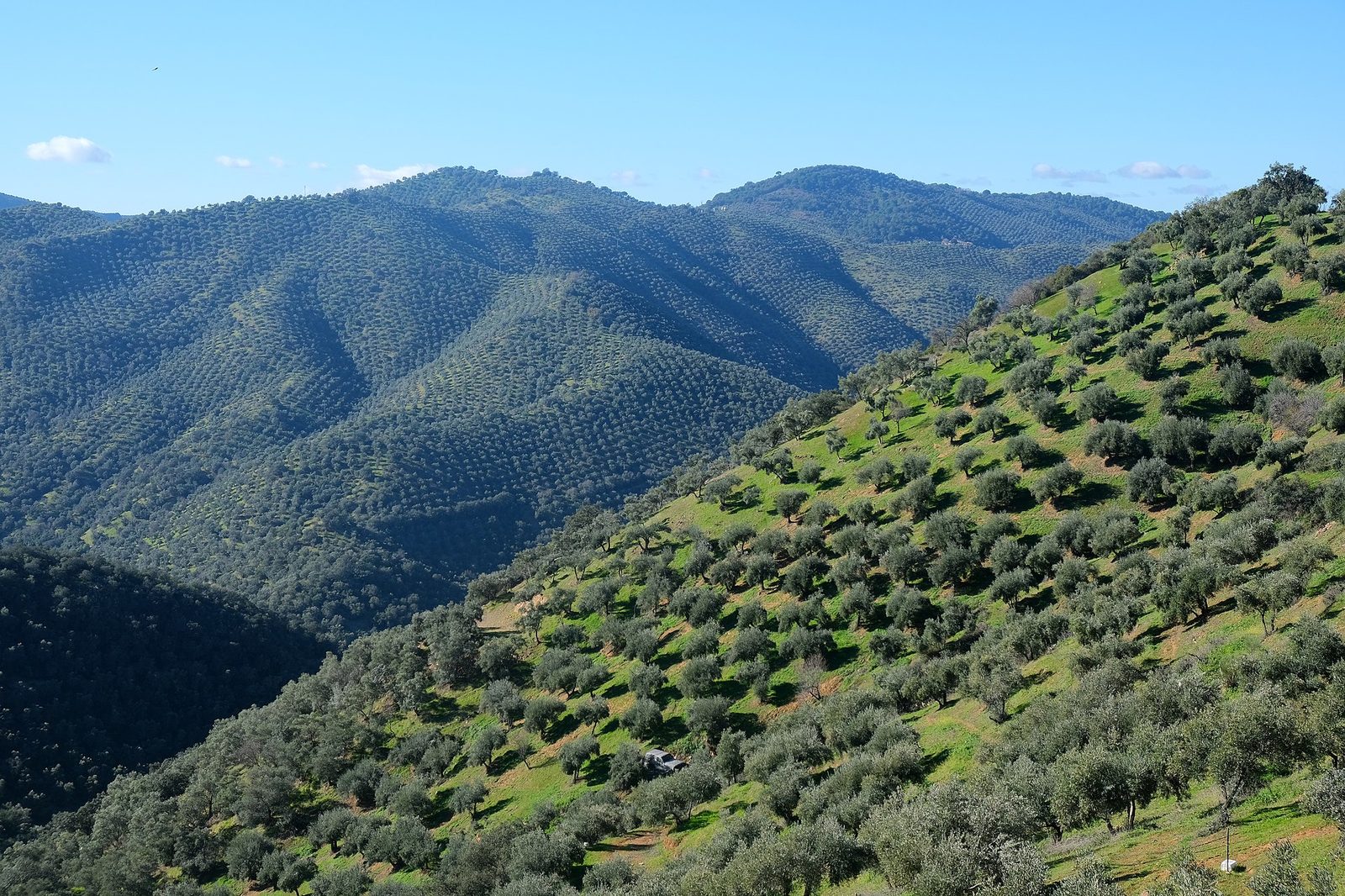
In late February and March 2018, a wave of bitter Siberian air — the Burian, the same cold snap Britain called the Beast from the East — pushed unusually far south into Italy, dropping hard frosts on olive regions that rarely see them. Combined with the olive fly and the slow disaster of Xylella, it helped drive one of the worst Italian harvests in living memory, barely 175,000 tonnes. But the freeze is worth understanding on its own terms, because cold is the olive’s single greatest weakness — and a warming climate is making cold snaps more erratic, not less.
Why the olive dreads frost
We sell the olive as a survivor, and it is: it shrugs off drought, poor soil and blazing heat that would kill most fruit trees. Its Achilles heel is the hard frost. The tree is evergreen, carrying live leaves and tender buds through winter, so a sudden deep freeze catches tissue that a deciduous tree would have safely shed. Sap in the wood freezes and expands, splitting bark and cambium; buds and young shoots blacken and die. That is why olives struggle in cold-winter places like Texas or the higher inland plateaus, and why growers watch the thermometer, not the calendar.
| Temperature | What happens to the tree |
|---|---|
| 0 to -3°C | Leaves and fruit chill; a light frost, usually survivable |
| -5 to -7°C | Young shoots and buds damaged; next year’s crop hit |
| -10 to -12°C | Bark splits, branches die back; mature wood harmed |
| Below -12°C | Whole trees can be killed, especially young ones |
Slow damage, slow recovery
Frost damage is cruel partly because it is delayed. A grove can look merely tired in March and then fail to push proper growth in spring, the dead wood only revealing itself as the season warms. Recovery is measured in years, not months: growers cut back to live wood and wait for the tree to rebuild a canopy, losing crop the whole time. A young tree hit hard simply dies. This is the real cost buried inside a bad-harvest headline — not one lost autumn, but a grove set back half a decade.
Heat and cold, the modern squeeze
Here is the part the drought stories miss. The same decade that brought record Mediterranean heat also delivered freak deep freezes like the Burian. A warming atmosphere does not simply make everything hotter and safer for the olive; it makes weather more volatile, and volatility is exactly what the tree cannot plan around. A Saharan summer that shrinks the crop, followed by a Siberian snap that damages the wood, squeezes the grove from both ends in a single year. That whiplash, more than any single disaster, is the quiet modern threat to Mediterranean olive country.
- Site matters more than hardiness claims. A frost pocket at the bottom of a slope will kill trees a hillside above would survive.
- Young trees are most vulnerable — protect or delay planting where hard frosts recur.
- Don’t prune frost damage too soon; wait until spring reveals the truly dead wood.
- A bad frost dents quality too, not just volume — frost-nipped fruit makes poorer oil.
Olives and frost: common questions
Can olive trees survive frost?
Mild frost yes, hard frost often not. Most olives tolerate brief dips to a few degrees below zero, but sustained cold below about -10°C splits wood and can kill the tree.
What was the Burian?
A blast of Siberian air that pushed into Italy in late February 2018 — the same event Britain called the Beast from the East — bringing hard frosts to olive regions unused to them.
Why is frost worse than drought for olives?
The olive evolved to endure heat and dry summers, and has deep roots to match. It has no such defence against a sudden deep freeze, which damages the live wood and buds it must carry through winter.
How long does an olive grove take to recover from frost?
Years. Growers cut back to living wood and let the tree rebuild its canopy, losing crop meanwhile; badly hit young trees may not recover at all.
Does climate change make olive frost more or less likely?
Warming raises average temperatures but also makes weather more erratic, so damaging cold snaps still occur — and they now arrive alongside worse summer heat and drought.
Growers talk about the olive as a drought-survivor, and it is — but its real fear is the hard frost, which is why olives never truly settled in cold-winter country. What worries the trade now is not heat alone but whiplash: a climate that serves up Saharan summers and Siberian snaps in the same year squeezes the tree from both ends. When you read that a freeze cost a region its harvest, remember it often cost far more than one autumn — damaged wood can set a grove back years.
Background on the February–March 2018 Burian cold wave and its effect on Italian olive country.