First Estimates for the 2019/20 Crop
In July 2019, the first global estimates for the coming season pointed to a healthy rebound — about 3.67 million tonnes, with a record Tunisian crop in the mix. Two things stand out: how fast the market recovers, and how quietly the map keeps widening beyond Europe.
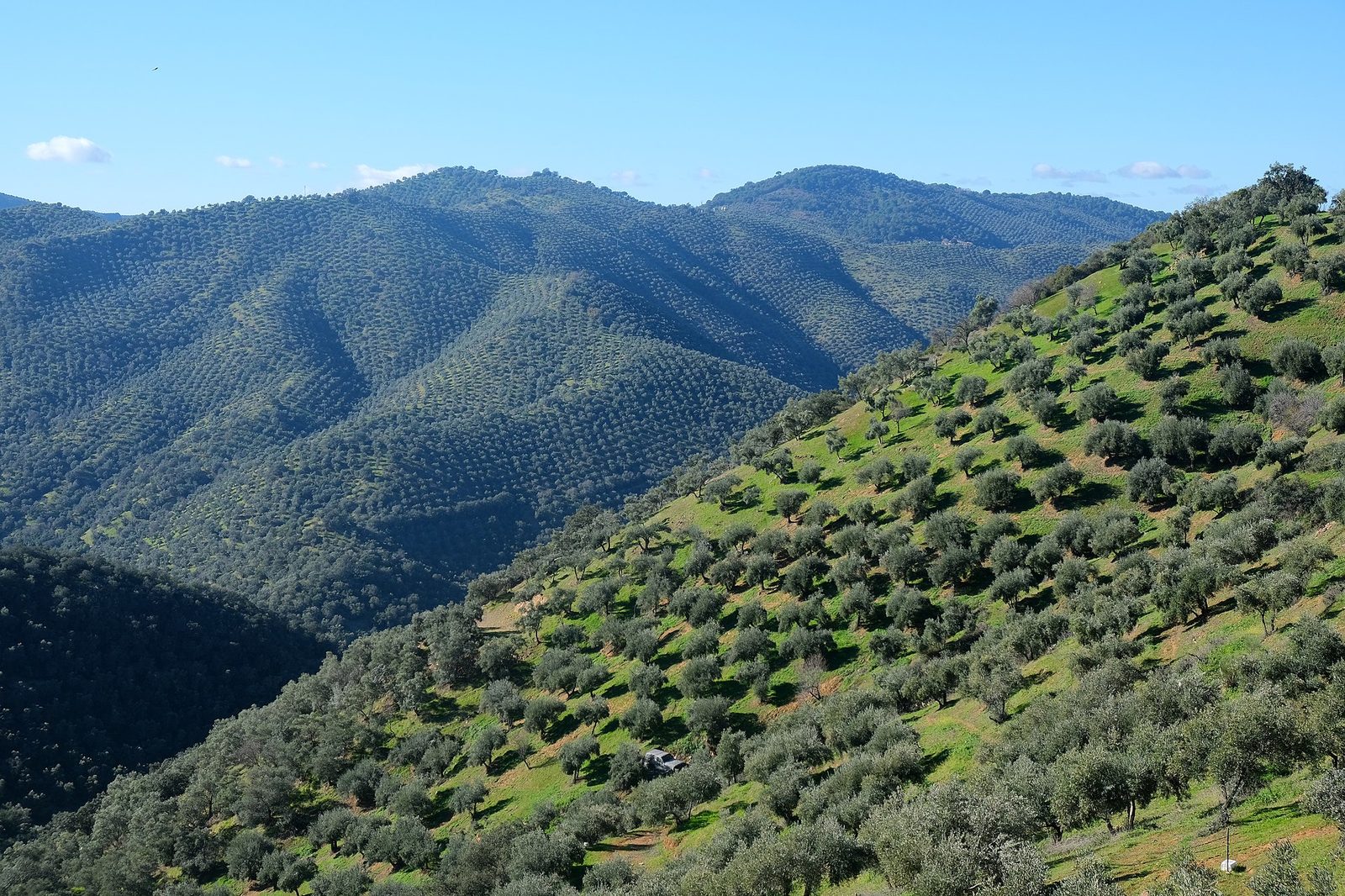
The first provisional 2019/20 numbers projected world output near 3.67 million tonnes. Spain was put at 1.35 million (down from a record 1.77M the year before), Italy 270,000, Greece 300,000, Portugal 130,000 — and a record 350,000 tonnes for Tunisia. After a poor previous season, the mood lifted fast. But the number worth staring at is not Spain’s; it is Tunisia’s. A record North African crop is a small headline with a large meaning.
How fast the market forgets
The first thing these figures show is resilience. A poor 2018 harvest had barely faded before a solid rebound was on the cards — proof that when the weather cooperates, olive-oil supply bounces back quickly. That is reassuring and, in a way, misleading. It teaches the market to treat every bad year as a blip, to assume the next good crop is always around the corner. That optimism worked for years, right up until it didn’t — until two dry years in a row broke the pattern and there was no quick rebound to lean on.
The quiet rise of Tunisia
The second, more interesting story is North Africa. A record 350,000 tonnes from Tunisia is not a footnote — it is the olive-oil map widening in real time. Much of that Tunisian oil flows into Europe, where it is blended and bottled and often sold under European labels, its origin invisible to the shopper. Tunisia has quietly become one of the world’s major producers, and its harvests increasingly move the global price. When people picture olive oil they still picture Spain, Italy and Greece; the reality has been broadening well beyond that trio for years.
Why a widening map matters to a buyer
A broader map is good news and a caution at once. Good, because more producing regions mean more resilience against any single country’s bad year, and more variety to explore. A caution, because the more oil crosses borders to be blended and re-bottled, the harder it is to know what is really in your bottle. Tunisian oil sold honestly under its own name is excellent; the same oil hidden inside a vague ‘EU’ blend is exactly the traceability gap fraud exploits. The widening map raises the value of one simple thing: a named origin. See Tunisian olives.
| World estimate 2019/20 | ~3.67 million tonnes |
|---|---|
| Spain | 1.35M t (down from a record 1.77M) |
| Greece | 300,000 t |
| Italy | 270,000 t |
| Portugal | 130,000 t |
| Tunisia | 350,000 t — a record |
| The theme | A fast rebound and a map widening beyond Europe |
What a buyer should take from it
- Don’t assume bad years always rebound fast — the market’s optimism eventually met two droughts it couldn’t shrug off.
- North Africa is a major producer now — Tunisian oil, sold honestly, is well worth seeking out.
- A wider map raises the value of origin. More cross-border blending means more reason to want a named source.
- Explore beyond the big three. Spain, Italy and Greece are no longer the whole story.
The 2019/20 first estimates: common questions
What did the first 2019/20 estimates show?
A healthy rebound to around 3.67 million tonnes worldwide, with Spain at 1.35M, Greece 300,000, Italy 270,000, Portugal 130,000, and a record 350,000 tonnes from Tunisia.
Why is the Tunisian figure significant?
A record North African crop signals the olive-oil map widening well beyond Europe. Tunisia is now a major producer whose harvests increasingly move the global price.
Where does Tunisian oil go?
Much of it flows into Europe to be blended and bottled, often sold under European labels — so its origin is frequently invisible to the shopper.
Does a fast rebound mean the market is stable?
Not necessarily. Quick recoveries taught the market to treat bad years as blips — an optimism that eventually met two consecutive droughts with no easy rebound.
Should I buy Tunisian olive oil?
Yes, when it’s sold honestly under its own name — it can be excellent. The catch is oil hidden anonymously inside vague blends, which is why a named origin matters.
Everyone read these figures as ‘phew, the market recovered’ — and it had, which is exactly the trap. Fast rebounds train the trade to treat every bad harvest as a blip, right up until two dry years in a row break the habit. The number I’d have circled wasn’t Spain’s, it was Tunisia’s record crop. That’s the map widening in real time — North African oil flowing north to be blended and bottled under European names, invisible to the shopper. More producers is genuinely good. But it also means the one thing worth protecting is a named origin.
Drawn from the first provisional 2019/20 world production estimates released in July 2019.