A Grower’s Map of Morocco
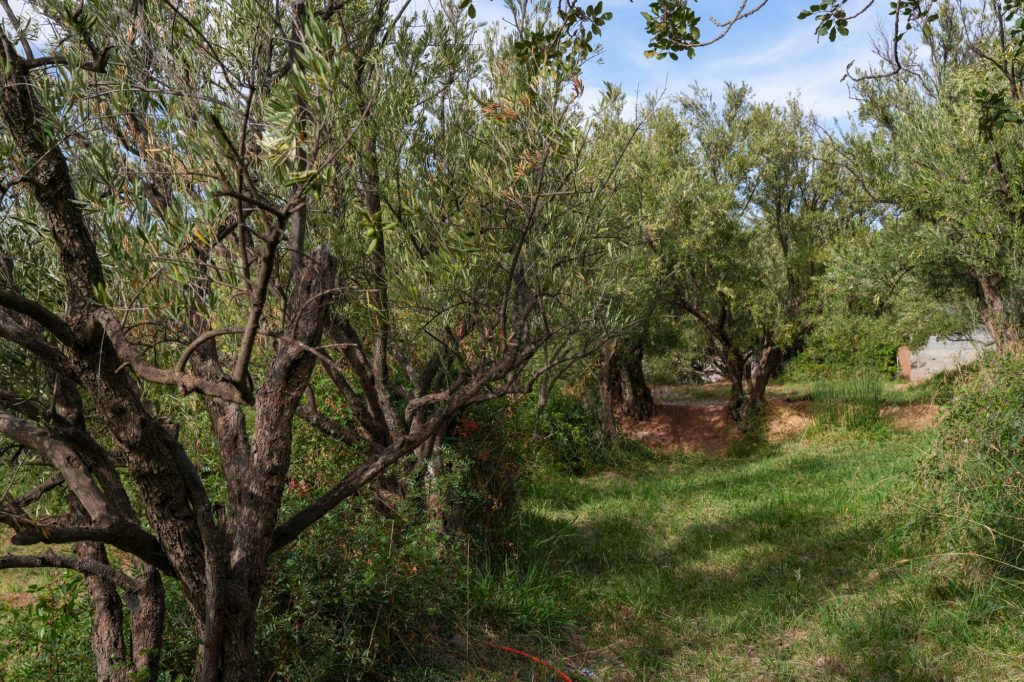
Morocco is a top-ten olive nation, yet its oil is rarely the first a buyer names. The gap is geography: a grower’s real map here is drawn in rainfall and elevation, not borders — and one variety carries almost the whole country.
Morocco is one of the world’s largest olive growers, yet its oil is rarely the first a foreign buyer names. That gap is a story of geography. The country’s groves climb from coastal plains into Atlas foothills, and where the tree sits shapes everything that ends up in the bottle. Read the region behind a Moroccan label and you can usually guess what kind of oil you are holding — the careful early-picked extra virgin, or the everyday cooking oil that travels under a vague flag.
One tree, a whole country
The overwhelming majority of Morocco’s olives are a single variety, the Moroccan Picholine — by most counts more than ninety percent of the planted area. It is a hardy, drought-tolerant tree, good on slopes, valued as much for table fruit as for oil, and it defines the national flavour the way Koroneiki defines Greece or Picual defines Jaén. The heartland is the region around Meknès and Fès, on the plains and foothills below the Middle Atlas, where altitude and cooler nights help the fruit. Further south and east, groves push toward drier, harder country, surviving on less water than most olive lands would tolerate.
Why altitude and water matter
A Moroccan grower’s real map is drawn in rainfall and elevation, not borders. Higher, cooler sites with reliable water give slower-ripening fruit and a fresher, more peppery oil; the hot, dry margins push trees to survive rather than flourish, and yields fall. Much of the country’s harvest still goes to table olives or to oil made the old way, not always the careful early-picked extra virgin a connoisseur hunts. The best Moroccan oils, picked green and milled fast, can stand with any Mediterranean neighbour. Knowing the region behind a bottle — as our wider encyclopedia encourages — tells you which kind you are likely holding.
| Site type | What it does to the oil | What it means for you |
|---|---|---|
| High, cool, watered | Slow ripening, fresher, peppery | The bottles worth seeking out |
| Meknès / Fès plains | Balanced, dependable fruit | The recognised quality heartland |
| Hot, dry margins | Trees survive; yields fall | Often everyday cooking oil |
The label trap with Moroccan oil
Here is the non-obvious thing about buying Moroccan. Because one variety covers almost the whole country, the variety name on the label tells you very little — it is nearly always Moroccan Picholine. What does the work is the region and the harvest date. A bottle that simply says “product of Morocco” with neither is, more often than not, traditional-style cooking oil, and should be priced as such. A bottle that names Meknès or a specific estate, gives a recent harvest and leans green and peppery, is a different proposition entirely — and frequently a bargain, because Morocco’s name still carries less marketing weight than the oil deserves.
- Look for a named region (Meknès) or estate.
- Look for a recent harvest date and a green, peppery profile.
- Be wary of “product of Morocco” with no region or date — treat it as cooking oil.
- Remember the variety is almost always Moroccan Picholine; it is not the differentiator.
| Region | Coastal plains up into Middle Atlas foothills |
|---|---|
| Quality heartland | Meknès and Fès |
| Signature variety | Moroccan Picholine (>90% of plantings) |
| Use | Dual-purpose: table and oil |
| Harvest | November–January |
| Best label cues | Named region + recent harvest date |
Moroccan olives & oil: common questions
What is the main Moroccan olive variety?
The Moroccan Picholine, a hardy dual-purpose olive that makes up more than ninety percent of the country’s plantings. It defines the national style for both table fruit and oil.
Where is the quality heartland?
The region around Meknès and Fès, on the plains and foothills below the Middle Atlas, where altitude and cooler nights help the fruit.
Why is Moroccan oil so under-recognised?
Much of it travels under vague labels or is sold as everyday cooking oil, so the name carries little marketing weight — despite the best estate oils standing with any Mediterranean neighbour.
How do I find a good Moroccan oil?
Look past the flag: a named region (Meknès) or estate, a recent harvest date, and a green, peppery profile. A plain “product of Morocco” with no detail is usually cooking oil.
Does altitude really matter here?
Yes. Higher, cooler, watered sites ripen fruit more slowly and give fresher, peppery oil; the hot dry margins push trees to merely survive, and quality and yield both fall.
If a Moroccan oil simply says “product of Morocco” with no harvest date or region, treat it as everyday cooking oil and price it as such. The bottles worth seeking out name Meknès or a specific estate, give a recent harvest, and lean green and peppery. Do not bother hunting for an exotic variety — it is almost always Moroccan Picholine, so the variety name tells you nothing; the region and the date do all the talking. Moroccan Picholine done well is a genuinely good oil, and often a quiet bargain. You just have to read past the vague label to find it.
Drawn from regional olive-sector reports and grower accounts.