In Focus: The Ogliarola Barese Olive
Around Bari, in northern Puglia, the Ogliarola Barese is the olive nobody puts on a poster and everybody puts in a bottle. Small, strictly for milling, it gives a gentle, almond-scented oil that has quietly carried Puglian production for generations.
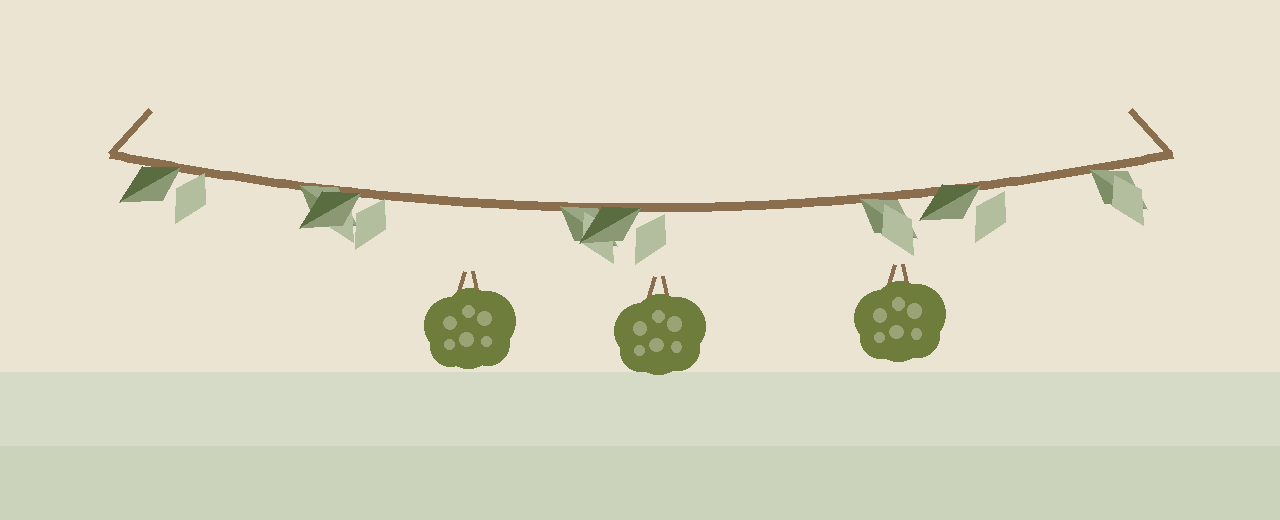
The Ogliarola Barese grows across the northern half of Puglia, around the city of Bari that gives it its name. The fruit is tiny — often under a gram — and ripens to black, with one job only: the mill. You will not find it on a table-olive shelf. What it lacks in size it makes up in temperament: it is a reliable, widely planted variety that fits the Puglian habit of growing two or three cultivars side by side and milling them together. That dependability is exactly why it is so often the silent partner in a regional blend rather than a name you read.
A tree built for oil
This is heartland Puglia, the flat, stony olive country that presses more oil than any other region of Italy. The Ogliarola Barese is one of its two great pillars — the soft one. It makes up the majority of plantings across the Terra di Bari, and it is written into the protected Terra di Bari designation, where the rules lean on it for fragrance while the fierce Coratina supplies the punch. Growers keep it because it crops dependably and because its gentle oil rounds off the region’s harder edge.
What the oil tastes like
Ogliarola Barese oil is the soft, rounded side of Puglia. Expect a medium fruitiness with clear green-almond character, notes of fresh grass and artichoke, and only a gentle bitterness and pepper on the finish — far milder than the region’s muscular Coratina. That mellowness makes it a natural for raw use: over white beans, on bread, finishing a soup. It is frequently blended with bolder local cultivars to round their edges, which is honest craft applied to oil. If you ever see it bottled as a single variety, treat it as a chance to taste the soft heart of Bari on its own.
The silent-partner problem
Here is the part the front label rarely tells you. Most Ogliarola Barese never reaches you under its own name — it disappears into a ‘Puglia’ or generic ‘Italian’ blend, its fragrance quietly lifting a base oil that would otherwise taste hard. There is nothing dishonest about that; blending is a craft, and this olive is very good at its job. But it means the variety you are tasting and the variety on the bottle are often two different things. To taste Ogliarola Barese speaking for itself, you have to hunt down a monocultivar from a Bari-area mill.
| Origin | Terra di Bari, Puglia, Italy |
|---|---|
| Also called | Ogliarola, Cima di Bitonto (local names) |
| Type | Oil olive |
| Fruit weight | Small — often under 1 g |
| Protected origin | DOP Terra di Bari (with Coratina) |
| Harvest | October–November |
| Flavour | Soft, almond, grass, artichoke; low bitterness |
| Best use | Raw finishing; beans, bread, soups |
Buying & using Ogliarola Barese
- Look for a monocultivar from a Bari-area mill to taste the olive itself, not its blending role.
- Use it as a finishing oil — its almond softness is wasted in a hot pan.
- Buy the most recent harvest; gentle oils like this show their age first.
- A DOP Terra di Bari bottle is a traceable way to taste it inside its classic blend with Coratina.
Ogliarola Barese olives: common questions
Is Ogliarola Barese an oil or table olive?
An oil olive. The fruit is tiny — often under a gram — and grown strictly for milling, not for curing and eating.
Where does Ogliarola Barese come from?
The Terra di Bari in northern Puglia, southern Italy, where it makes up the majority of plantings around the city of Bari.
What does the oil taste like?
Soft and rounded, with green-almond, grass and artichoke notes and only gentle bitterness and pepper — far milder than the region’s Coratina.
Why is it so often blended?
Its fragrance and softness round off harder, more bitter cultivars, so it is widely used — usually uncredited — inside ‘Puglia’ or ‘Italian’ blends.
How should I use a single-variety bottle?
Raw, as a finishing oil over white beans, bread or soup, while its almond fragrance is fresh. Buy the most recent harvest.
Most Ogliarola Barese reaches you inside a ‘Puglia’ or ‘Italian’ blend, so do not expect to spot it by name. If you want it solo, look for a monocultivar from a Bari-area mill and use it raw — its almond softness is wasted in a hot pan. Buy the most recent harvest you can find; gentle oils like this one show their age first, and the fragrance is the whole point.
Drawn from the Terra di Bari DOP specification and standard Puglian cultivar references.