‘Save the Good Oil’: Spain’s Vanishing Farms
In January 2020, a report from olive-oil giant Deoleo warned that 240,000 small traditional Spanish farms could vanish within a decade. This is the other crisis — not dear oil, but cheap oil, and the quiet arithmetic that turns an abandoned grove into a rational decision.
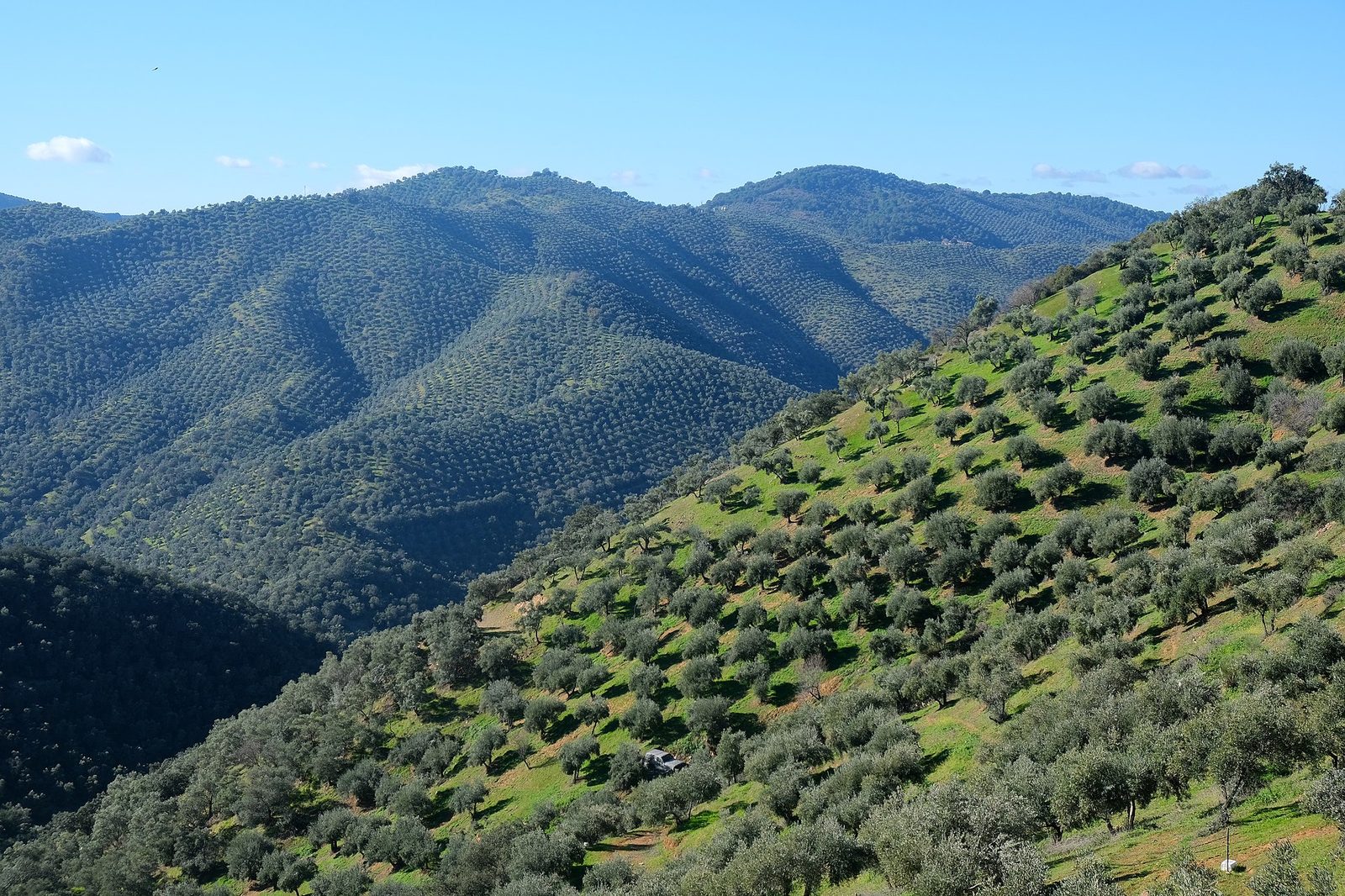
Deoleo’s report, Save the Good Oil, warned that some 240,000 small traditional olive farms in Spain could disappear over ten years amid low prices, falling consumption and fierce competition. More than 320,000 acres of traditional groves were already abandoned, it said, with another 1.2 million at risk — roughly a fifth of Spain’s olive area. Note the date: this was 2020, well before the price spike. The crisis it described was the opposite one — the slow death that comes from oil being too cheap.
The arithmetic that empties a grove
An old traditional grove is beautiful and expensive to run. The trees are ancient, wide-spaced and often on slopes, which means they must be picked largely by hand — slow, costly work no machine can do. That is fine when oil sells for a fair price. But when the market price sits below the cost of hand-harvesting, every olive picked loses money. At that point the rational move is brutal and simple: leave the fruit on the tree, or walk away from the grove entirely. A farm that fed families for generations is lost not to disaster but to a spreadsheet.
Why cheap oil has a hidden price
This is the quiet half of every ‘cheap olive oil’ headline. The bargain on the shelf is subsidised, invisibly, by growers giving up. Traditional groves cannot compete on cost with modern super-intensive hedgerow plantings, which are machine-harvested at a fraction of the labour. So a long stretch of low prices doesn’t just squeeze the old farms — it selects against them, steadily replacing character and biodiversity and centuries-old trees with efficient monoculture. Cheap oil is real, but part of what pays for it is the disappearance of the very groves that gave olive oil its romance.
The same arithmetic, everywhere
Spain is where the numbers are biggest, but the logic is universal. It is the same maths that emptied hillsides in Greece and left ancient trees untended across the Mediterranean: when the price of the fruit falls below the cost of gathering it, the oldest and most labour-intensive groves go first. That is why a fair, stable price is not sentimentality — it is the only thing that keeps traditional groves economically alive. Below a certain price, heritage simply stops paying, and heritage that stops paying is abandoned. See the true cost of an olive.
| The warning | Up to 240,000 small traditional Spanish farms could vanish in a decade |
|---|---|
| Already gone | More than 320,000 acres of traditional groves abandoned |
| At risk | Another 1.2 million acres — ~1/5 of Spain’s olive area |
| The cause | Low prices, falling consumption, tough competition |
| The mechanism | Price below the cost of hand-harvesting old groves |
| The date | January 2020 — before, not during, the price spike |
What a buyer should take from it
- Cheap oil has a hidden cost — often the abandonment of the traditional groves that make the best oil.
- Buying named, traditional or PDO oils helps keep old hand-harvested groves economically alive.
- A fair price is not a rip-off — below a certain price, heritage groves simply stop paying and vanish.
- Value the story on the label. A single-estate traditional oil is a vote for that grove’s survival.
Spain’s vanishing farms: common questions
What did the 2020 Deoleo report warn?
That up to 240,000 small traditional Spanish olive farms could disappear within a decade, with 320,000+ acres already abandoned and 1.2 million more at risk.
Why would cheap oil threaten farms?
Because traditional groves are hand-harvested at high cost. When the market price falls below that cost, every olive picked loses money, and abandoning the grove becomes the rational choice.
Isn’t this the opposite of the price-spike crisis?
Yes. The 2020 warning was about oil being too cheap, years before the shortage-driven spike. Both extremes hurt growers — a crash starves them just as surely as a spike distorts the market.
Why can’t traditional farms just compete?
They can’t match the labour economics of modern super-intensive hedgerow groves, which are machine-harvested. A long stretch of low prices selects against the old, hand-picked farms.
How does buying help?
Choosing named, traditional or PDO oils supports the growers who keep old groves alive. A fair price is what keeps heritage groves economically viable rather than abandoned.
Everyone worries about dear oil; almost no one worries about cheap oil, and cheap oil is what quietly kills the best groves. The maths is merciless. An old grove on a slope has to be picked by hand, and when the price drops below what that hand-picking costs, every olive you gather loses money. So a farmer does the rational, heartbreaking thing and walks away. The bargain bottle on the shelf is part-paid by that abandonment. A fair price isn’t charity — it’s the only thing that keeps a centuries-old grove worth harvesting at all.
Drawn from reporting on Deoleo’s January 2020 ‘Save the Good Oil’ report on the future of traditional Spanish olive farms.