The Pandemic Harvest of 2020
Most olive oil crises are supply stories — drought, frost, a failed harvest. The pandemic was different. It rewrote the market from the demand side, as locked-down households reached for a fat with a healthy reputation, and that rising appetite would matter enormously later.
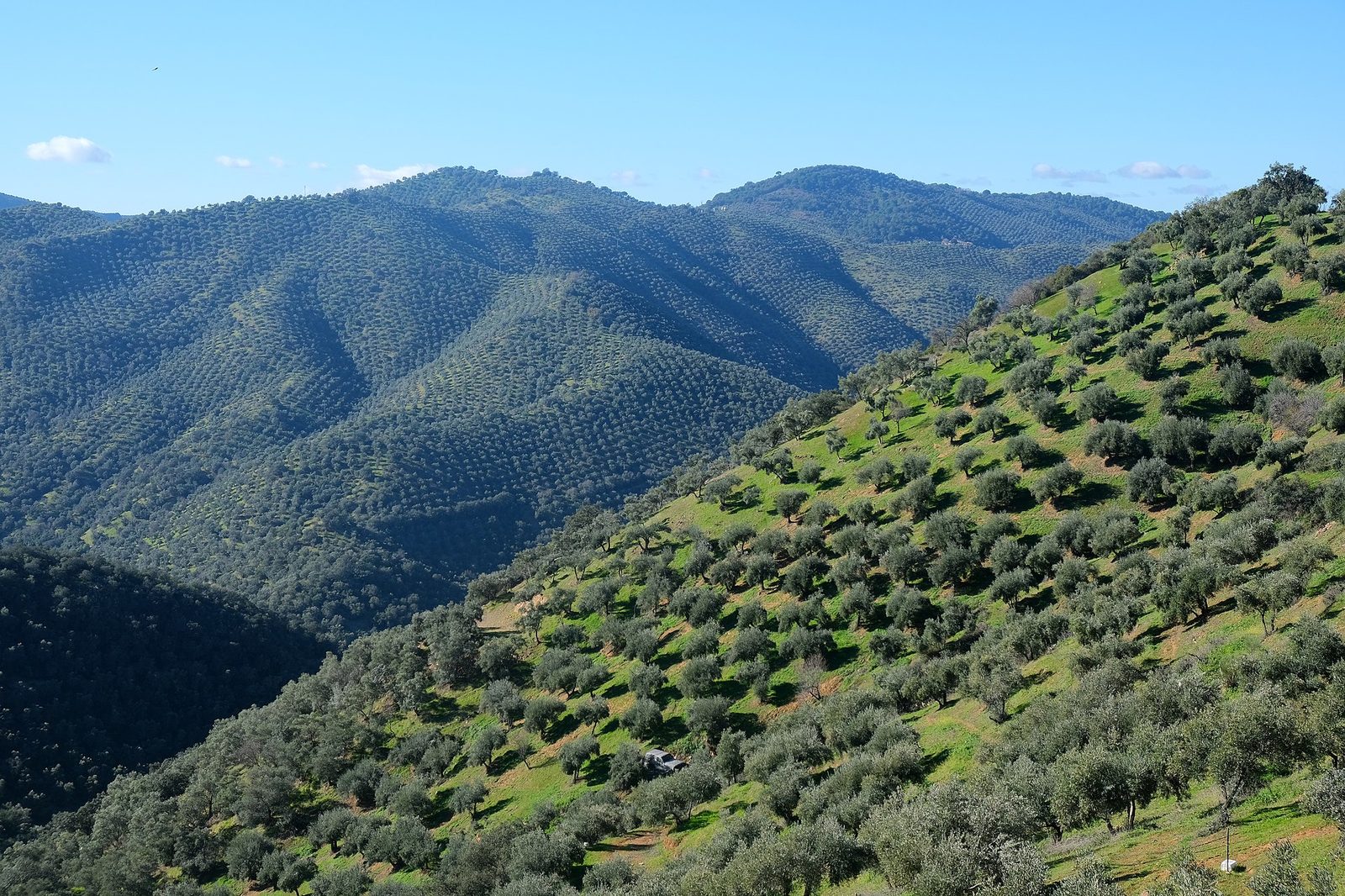
The autumn 2020 harvest was gathered in a world turned upside down — masks, lockdowns, shuttered restaurants. On the supply side it was unremarkable: after some recovery years, there was still a reasonable amount of oil. What made it matter was the other half of the equation. For once, the demand story outshone the supply one. Locked-down households, cooking at home more than they had in years, reached for olive oil in greater numbers — and that shift planted a seed the market would feel for a long time.
Why demand, not supply, was the story
Almost every olive-oil price event turns on how much oil there is: a drought shrinks the crop, prices rise. The pandemic flipped the usual script. Supply was fine; it was appetite that jumped. With restaurants closed, people cooked for themselves, rediscovered their kitchens, and reached for a fat they thought of as healthy. More of the world became daily olive-oil users almost overnight. That is unusual — and it is why 2020 is remembered less for what came out of the groves than for what changed in the world’s kitchens.
The seed that mattered later
Rising demand is wonderful for the olive’s future — more people wanting real olive oil, for flavour and for health, is exactly what the crop needs to justify new plantings. But it carries a sting in the tail. A couple of years after the pandemic, that grown, sticky demand ran headlong into a supply crushed by drought and heat. The two halves of a price crisis are supply and demand, and the pandemic quietly built up the demand half years before the supply half collapsed. When both moved the wrong way at once, prices went to record highs.
The good habit, kept honestly
If lockdown turned more people into everyday olive-oil users, that is genuinely good news — provided it stuck for the right reasons: cooking real food and using a good fat in place of worse ones, the Mediterranean way, rather than panic-buying or chasing miracle health claims. Olive oil is a wonderful daily fat and a sound one to build a diet around; it is not a supplement or a cure. The best legacy of the pandemic harvest would be a lasting, sensible habit — more people using good oil well, and willing to pay a fair price for the real thing.
| The unusual driver | Demand, not supply |
|---|---|
| What caused it | Lockdown home cooking and a healthy reputation |
| Supply at the time | Still reasonable after recovery years |
| The lasting shift | More of the world using olive oil daily |
| Why it mattered later | Grown demand met drought-crushed supply |
| The honest caveat | A good fat and food — not a supplement or cure |
The demand side, understood
- Remember that price crises have two halves — supply and demand — and the pandemic built the demand half.
- Rising appetite is good for the crop’s future, but it tightens the market when supply then fails.
- Keep the habit for the right reasons: real cooking and a good fat, not miracle claims.
- Treat olive oil as a fine everyday food, not a supplement — and be willing to pay fairly for the real thing.
The pandemic and olive oil demand: common questions
Why was the pandemic harvest a demand story, not a supply one?
Because supply was still reasonable that year, but demand jumped as locked-down households cooked at home and reached for a fat they saw as healthy.
Why did people buy more olive oil during lockdown?
With restaurants closed, more people cooked for themselves and rediscovered home cooking, and many reached for olive oil for its flavour and healthy reputation.
How did this feed the later price crisis?
The grown, lasting demand met a supply crushed by drought and heat a couple of years later. When both moved the wrong way at once, prices hit record highs.
Is rising olive oil demand a good thing?
Yes, for the crop’s future — more people wanting real oil justifies new plantings — but it does tighten the market whenever supply then falls short.
Is olive oil a health supplement?
No. It is a wonderful everyday fat and a sound one to build a diet around, but it is a food, not a supplement or a cure.
If lockdown turned more people into daily olive-oil users, that’s genuinely good — provided it’s for the right reasons: cooking real food and using a good fat in place of worse ones, the Mediterranean way, not panic-buying or chasing miracle health claims. The quieter point is that the pandemic built up the demand half of a price crisis years before drought crushed the supply half. When both moved the wrong way at once, prices went to records.
Drawn from olive-oil demand and sales reporting and contemporary harvest data.