Lockdown Disrupts Greece’s Olive Harvest
A pandemic lockdown once collided head-on with harvest time in Greece, travel rules keeping growers and pickers from the very groves that needed them. The olive harvest doesn’t wait for a virus — and the episode laid bare how much hand labour hides behind a single bottle.
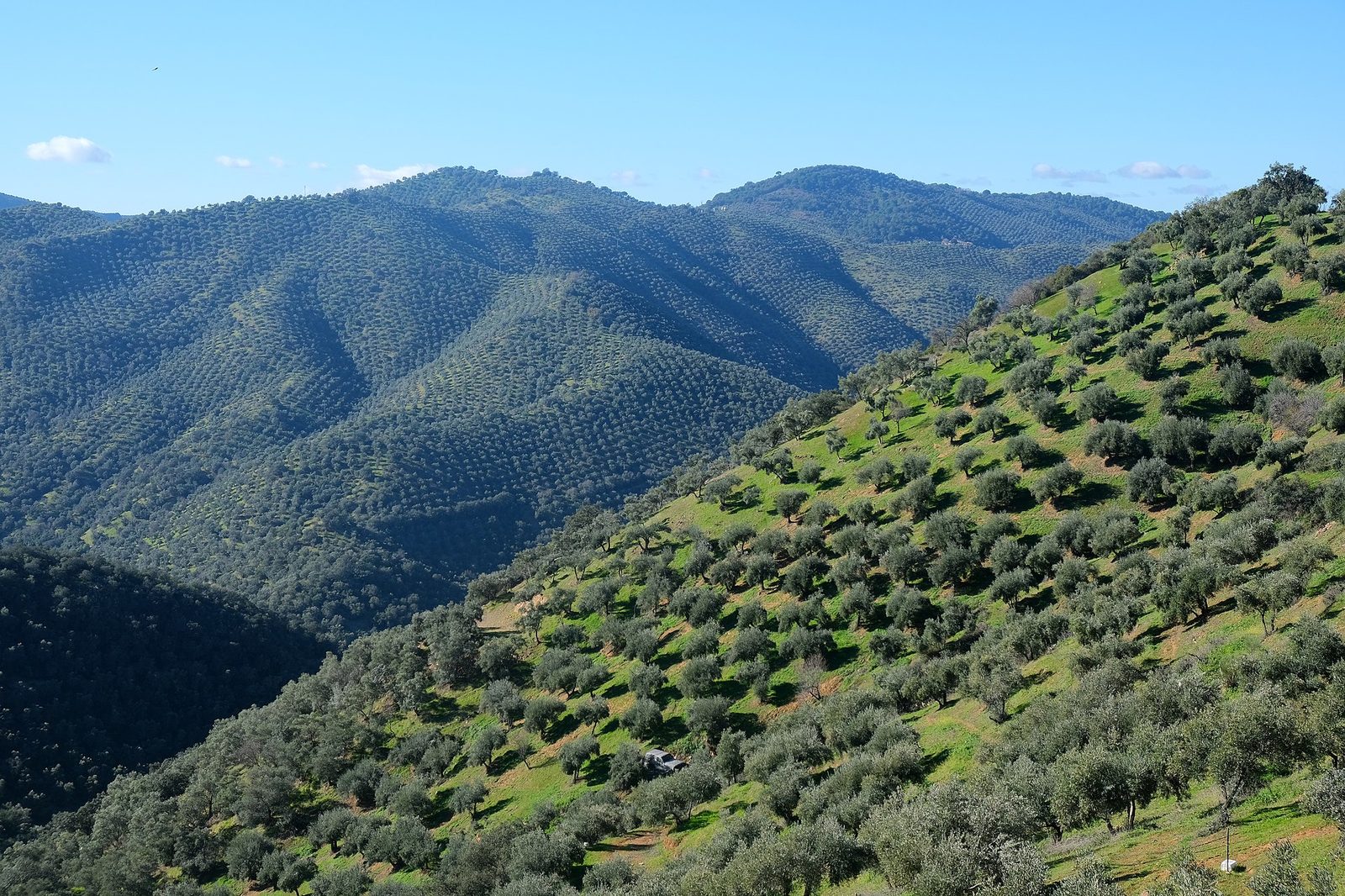
During Greece’s second nationwide COVID lockdown, growers reported that strict travel limits were hampering the harvest — people struggled to reach the groves at the one time of year they had to. Producers had to prove grove ownership, and workers their employment, simply to travel out to the picking. The crop got in, but only by proving your way to your own trees.
Why the harvest can’t be rescheduled
Olives ripen on their own schedule, not ours. There is a window — often just a few weeks — when the fruit is at the right ripeness for the style of oil or the table cure a grower wants. Pick too early and yields and character suffer; pick too late and the fruit over-ripens, the oil coarsens, quality slides. A lockdown, a labour shortage or a bout of bad weather that steals days from that window isn’t a delay you make up later — it’s oil and quality quietly lost.
The hand labour hidden in every bottle
The episode exposed something the finished bottle hides: how much human work a harvest takes. Especially on the steep terraces and old traditional groves of Greece, olives are still gathered largely by hand, or knocked onto nets and gathered up — a burst of intense, seasonal labour by people who often travel to do it. That labour is a real and rising share of what oil actually costs, and it is exactly the part squeezed hardest when prices are low. It’s central to the true cost of an olive.
Why this makes real oil fragile
Put the two together — an unmovable window and a heavy reliance on seasonal hands — and you see why fine, traditional oil is more fragile than the supermarket shelf suggests. Anything that disrupts labour at the wrong fortnight, from a pandemic to depopulating villages to wages too low to attract pickers, threatens the crop. The oils most at risk are precisely the hand-harvested, small-grove ones worth protecting. Machine-harvested modern orchards are more resilient, but they can’t do everything the old terraces do.
The takeaway
- The olive harvest runs on a narrow, unmovable window — delays mean lost oil and quality, not just lost time.
- Fine traditional oil depends on seasonal hand labour, a real and rising part of its true cost.
- Disruptions to labour — pandemic, depopulation, low wages — threaten exactly the best oils.
- Paying a fair price helps keep hand-harvested groves alive and picking on time.
Lockdown and the Greek harvest: common questions
How did lockdown affect the Greek olive harvest?
Strict travel limits during a nationwide lockdown made it hard for growers and pickers to reach the groves at harvest time; people had to prove grove ownership or employment simply to travel out to pick.
Why can’t the harvest just be delayed?
Olives ripen on a fixed, narrow window. Pick too early or too late and yield and quality suffer, so days lost to disruption mean oil and quality quietly lost.
Is olive picking really done by hand?
On steep terraces and traditional Greek groves, much of it still is — gathered by hand or knocked onto nets. It’s intense seasonal labour, and a real part of what oil costs.
Which oils are most vulnerable to labour disruption?
Hand-harvested oils from small, traditional groves. Machine-harvested modern orchards are more resilient but can’t replace everything the old terraces produce.
How does this connect to price?
Seasonal hand labour is a rising share of oil’s true cost, and the part squeezed hardest when prices are low — one reason a fair, steady price matters.
The olive harvest doesn’t wait for a virus. Olives ripen on their own schedule, and a delayed pick means lost oil and lost quality — a vivid reminder that behind every bottle is a narrow, weather-bound window of hand labour that a lockdown, or low wages, or an emptying village can quietly disrupt. When you pay a fair price for hand-harvested oil, part of what you’re protecting is someone’s ability to get to the trees in that one fortnight that decides the whole year.
Drawn from November 2020 reporting on lockdown disruption to the Greek olive harvest.