A Grower’s Map of France
France is a rounding error beside Spain, but what it grows, it grows with conviction. The olive belt hugs the warm southern edge, and each corner of it has a character worth knowing. Here is the map.
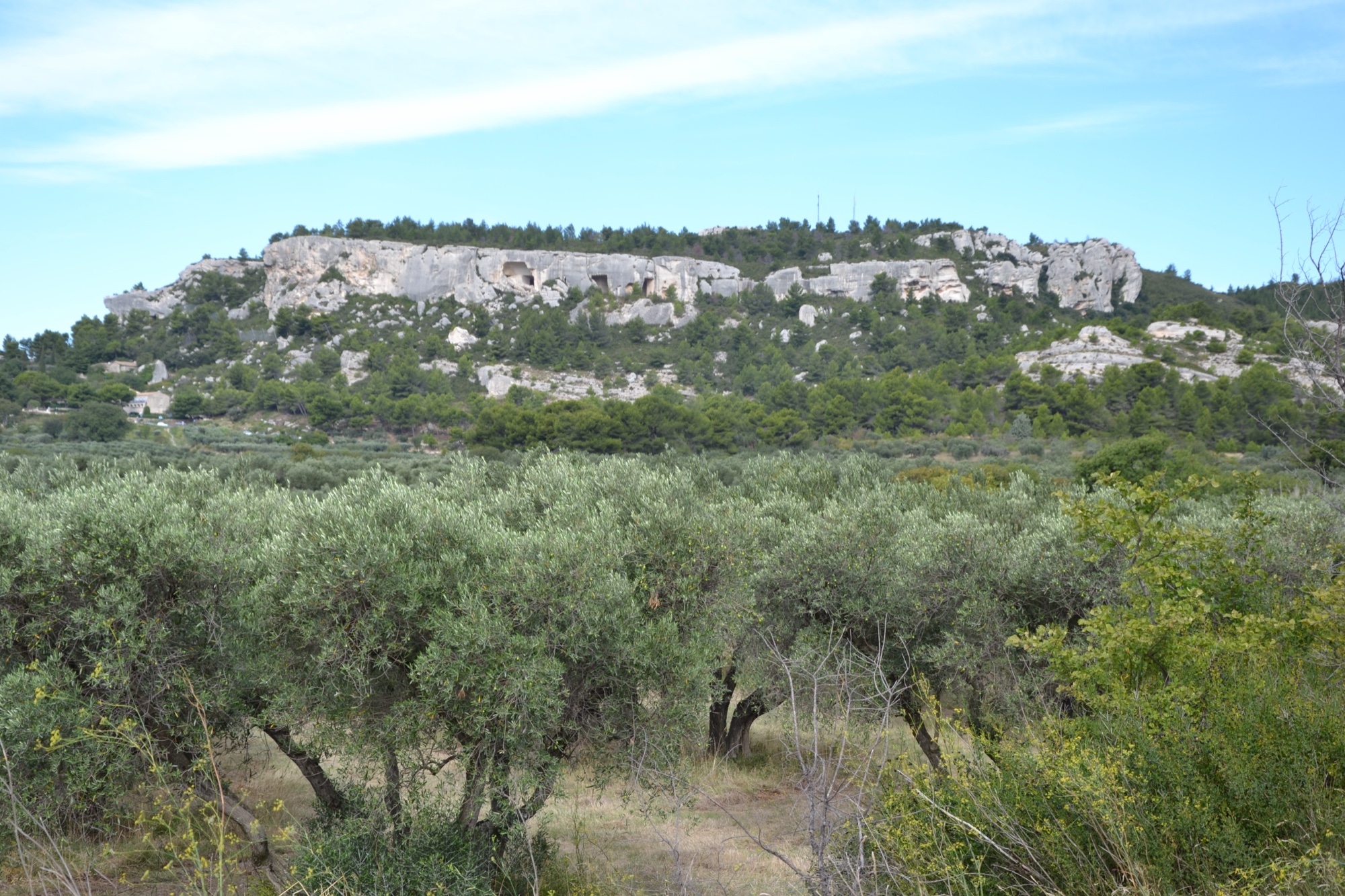
France is a small olive producer by Mediterranean standards — a rounding error beside Spain — but it long ago decided it could not win on volume, so it competes on identity instead. Its olive belt runs in a warm arc along the southern edge of the country, and each corner of it has its own varieties, its own light, and its own logic. What follows is a grower’s sketch of where French olives actually live.
The southern arc
French olive growing runs along a warm arc from the Rhône valley eastward. Provence is the heartland — the Vaucluse, the Bouches-du-Rhône, the valleys around Les Baux — where the Aglandau (also called the Beruguette) and the Salonenque dominate and the light alone seems to ripen the fruit. North of there, in the Drôme, sits Nyons, home of the Tanche — the plump black “perle noire” behind one of France’s most celebrated oils. West of the Rhône, around Nîmes and through the Gard, the Picholine takes over, giving a bolder, more bitter oil, while the Languedoc leans on the Lucques, a curved green table olive with an almost buttery bite. Further east, Nice and its hinterland grow the small Cailletier, the olive behind the celebrated oils and table olives of the Alpes-Maritimes. It is a compact world, but a strikingly varied one.
Small scale, high standards
Because France can’t compete on quantity, it competes on definition. Many French oils carry an AOP — a protected designation tying the oil to a defined place, a set of permitted varieties and a method, the same system that governs French wine and cheese. Nyons was the first French olive oil to win the appellation, back in 1994, and its rules demand the oil be almost entirely Tanche. That structure rewards distinctiveness over scale, which is why French oils tend to be characterful and priced accordingly. They are made to be tasted, not poured by the litre. For the wider picture, see the olive encyclopedia, or how France’s Mediterranean neighbours do it in our notes on Italian olives and Spanish olives.
What the AOP won’t tell you
Here is the trade’s blunt caveat. An AOP guarantees origin and method, not that the bottle in front of you is fresh or well made — a tired, badly stored appellation oil is still worse than a bright, honest oil with no label at all. And France’s tiny output means a lot of “French” oil on shelves is blended or padded with cheaper imports; the words “produit en France” can hide oil that merely passed through. The real French oils are the ones you buy near the mill, from a named variety, in the months after harvest. Everything else is trading on the reputation more than the pressing.
| Corner | Signature variety | What it gives |
|---|---|---|
| Provence / Les Baux | Aglandau, Salonenque | Green, grassy, artichoke-fresh; blended AOP oils |
| Nyons / Drôme | Tanche | Ripe, mellow, low-bitter black-olive oil; AOP since 1994 |
| Gard / Nîmes | Picholine | Bolder, more bitter, peppery |
| Languedoc | Lucques, Olivière | Curved green table olive; buttery, mild |
| Nice / Alpes-Maritimes | Cailletier | Small, sweet, nuanced; famous table olives and oil |
Reading a French olive
- Time a visit for the mills’ pressing season in late autumn and early winter, when many moulins à huile sell fresh oil straight from the press.
- Buy a named variety or a named AOP, not just “huile d’olive de France.”
- Treat Nyons Tanche as a niche, mellow specialty — it is not a substitute for a Kalamata or a peppery Greek oil.
- For a curved green table olive, look for the Lucques of the Languedoc.
- Expect to pay for it — French oil is priced on identity, not volume.
French olives: common questions
Where do France’s olives grow?
Only in the far south, along a warm arc from the Gard and the Rhône valley through Provence to Nice and the Alpes-Maritimes. The rest of the country is too cold for olives.
What are the main French olive varieties?
Aglandau and Salonenque in Provence, the Tanche around Nyons, the Picholine near Nîmes, the Lucques in the Languedoc, and the Cailletier around Nice.
What does an AOP on French olive oil mean?
It ties the oil to a defined place, permitted varieties and a method — like French wine and cheese. Nyons was the first, in 1994. It guarantees origin, not freshness.
Is Nyons a good everyday olive?
It is a mellow, low-bitter niche specialty from the Tanche variety, prized and expensive. Treat it as a fine, gentle oil rather than a workhorse or a Kalamata substitute.
Why is French olive oil so expensive?
France is a tiny producer that competes on identity rather than volume, with protected designations and small mills. You are paying for distinctiveness, not litres.
If you tour French olive country, time it for the mills’ pressing season in late autumn and early winter — many moulins à huile open then and sell fresh oil straight from the press, the kind you’ll never quite find on a supermarket shelf because freshness like that doesn’t survive distribution. And be sceptical of “French” oil on a shelf: the country’s output is tiny, so plenty of it is blended or merely bottled here. Buy near the mill, from a named variety, in the months after harvest — that is the real thing.
Based on French AOP designations and regional olive-growing geography, cross-checked against appellation rules for Nyons, Nice, Provence and Nîmes.