Italy Expects a Better 2021/22 Crop
A good Italian harvest is welcome news — and a reminder that the olive is naturally alternate-bearing, heavy one year and light the next. The detail worth savouring is always the varieties. Buy by grape and region, not just by the word ‘Italian.’
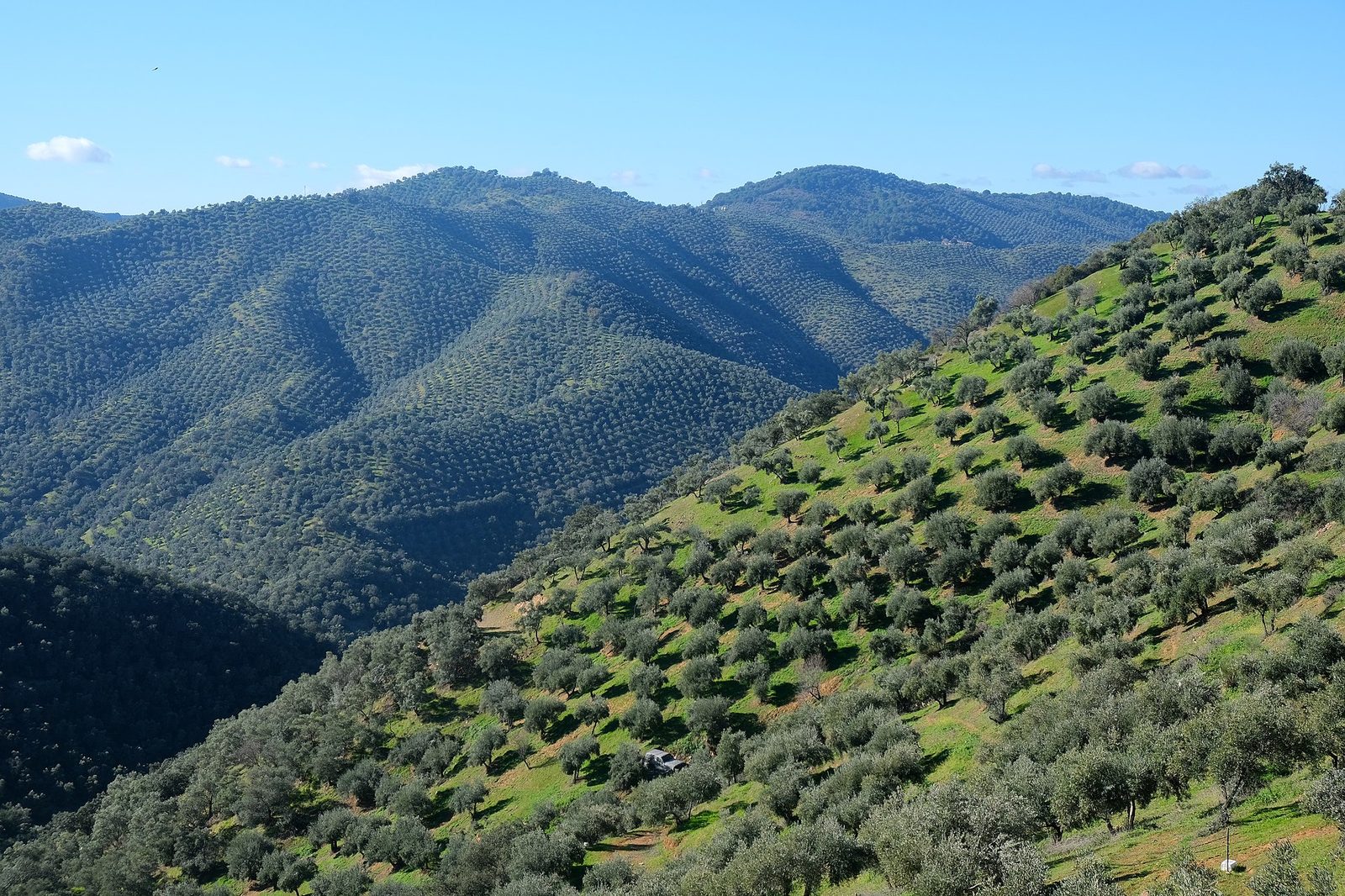
An up-year in Italy is a genuine pleasure to report, and it usually comes with talk of quality among the best in memory as the first Sicilian olives are pressed. But an up-year is only half the story. The olive is famously alternate-bearing: it tends to crop heavily one season and lightly the next, all on its own, before the weather adds its own noise on top. Italy’s harvests swing accordingly. The number that matters is less this year’s tonnage than what it tells you about how to actually buy the oil.
Why the harvest swings on its own
Alternate bearing is not a fault; it is how the tree works. A heavy crop drains a tree’s reserves, so it naturally rests the following year, producing less — then rebounds. Growers manage it with pruning and thinning, but the rhythm is built in. Layer weather, pests and drought on top and you get harvests that lurch from bumper to thin and back. So a single good year is not a trend, and a single bad one is not doom. What matters is the direction over several seasons, not any one figure.
The detail to savour: the varieties
The real treasure in a harvest report is buried in the names. When the first presses run in Sicily, they run on olives like Nocellara dell’Etna, or the widely planted Frantoio — the named grapes behind great Italian oil. “Italian olive oil” is not one thing; it is dozens of distinct varieties from dozens of distinct regions, each with its own character, from robust and peppery to soft and sweet. The word on the front of the bottle tells you almost nothing. The variety and the region tell you nearly everything.
How to buy Italian oil well
This is the practical payoff. Buying by variety and region, not just by nationality, is how you find the good stuff — and how you sidestep the trap of a bottle that leans on the flag while saying nothing specific. A named cultivar, a named region, a harvest date and dark glass are the marks of a producer who wants you to taste, not just to trust the word “Italy.” If you want to explore the range, start with Italian olives and the wider encyclopedia.
| On the label | What it tells you |
|---|---|
| ‘Italian olive oil’ | Almost nothing — a nationality, not a character |
| A named region | The style and traditions of a specific place |
| A named variety (e.g. Frantoio) | The likely flavour — robust, mild, peppery, sweet |
| Variety + region + harvest date | A producer who wants you to taste |
Reading a harvest, buying a bottle
- Do not read one good year as a trend, or one bad year as doom — watch the direction over several seasons.
- Remember the olive is alternate-bearing : swings are built into the tree, before the weather even speaks.
- Buy by variety and region, not just ‘Italian’ — that is where the character lives.
- Look for a named cultivar, a region, a harvest date and dark glass : the marks of oil worth its price.
Italian harvests and buying: common questions
What does ‘alternate-bearing’ mean?
The olive tends to crop heavily one year and lightly the next, on its own. A heavy crop drains the tree’s reserves, so it rests the following season. This natural rhythm is one reason harvests swing.
Does a good harvest mean cheap oil for years?
Not necessarily. A single bumper year is not a trend, just as a single failure is not doom. What matters is the direction over several seasons, not any one year’s figure.
Why buy by variety and region?
Because ‘Italian olive oil’ covers dozens of distinct varieties and regions, each with its own character. A named cultivar and region tell you far more about the flavour than the nationality on the front label.
What are some named Italian varieties to look for?
Frantoio is Italy’s widely planted workhorse; Nocellara dell’Etna is a prized Sicilian name. There are many more — the point is that a named variety signals a real, specific oil.
What marks a bottle worth buying?
A named variety or region, a clear harvest date and dark glass. Together they signal a producer who expects you to taste the oil rather than simply trust the word ‘Italy.’
A welcome up-year — and a reminder that the olive is naturally alternate-bearing, heavy one season and light the next, on top of whatever the weather does. The detail to savour is the varieties: Nocellara dell’Etna, Frantoio — the named grapes of great Italian oil. Buying by variety and region, not just ‘Italian,’ is how you find the good stuff. The nationality on the front is marketing; the cultivar and the place are the oil.
Drawn from Italian trade harvest forecasts and standard olive agronomy on alternate bearing.