Spain’s Hottest, Driest April on Record
The clearest lesson in how olive oil is really made came in a single month. Spain logged its hottest, driest April on record, and the heat struck during flowering — burning the blossom, and all but guaranteeing a halved crop long before a single olive was picked.
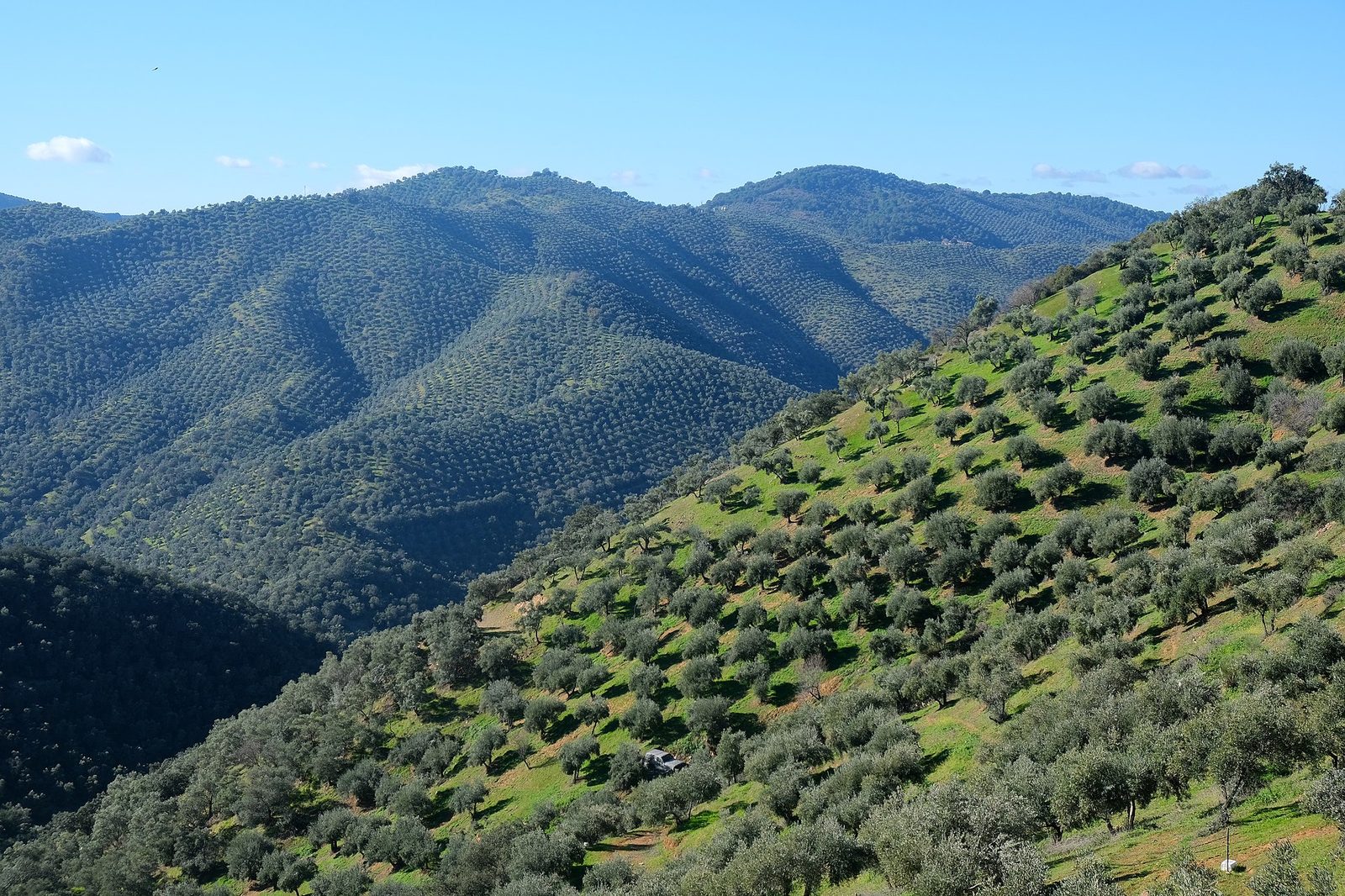
Spain’s weather agency confirmed April 2022 as the hottest and driest April since national records began in 1961, with only around a fifth of normal rainfall. The timing was the disaster: the heat struck during olive flowering in the world’s largest producer, burning the delicate blossom at the one moment it could least afford it. A scorched bloom is oil that will simply never exist — the crop was effectively lost in spring, months before harvest.
Why flowering is the make-or-break moment
An olive begins as a flower, and only a small fraction of those flowers ever set into fruit even in a good year. The tree flowers in spring — roughly April and May around the Mediterranean — and that brief window is exquisitely sensitive. A spell of extreme heat or a hot, drying wind during bloom can desiccate the flowers and wreck fertilisation, so the fruit never forms. Get a bad fortnight then, and no amount of kind weather afterwards can bring the lost crop back.
| Late winter | Buds develop; the tree needs a cool rest and some rain |
|---|---|
| Spring (Apr–May) | Flowering — the single most weather-sensitive stage |
| Early summer | Fruit set; a share of flowers become tiny olives |
| Summer | Fruit swells; water stress here shrinks yield and size |
| Autumn–winter | Ripening and harvest — the visible part, but the crop is already largely decided |
Why the harvest headline arrives too late
Most people only hear about the olive crop in autumn, when the picking happens and the numbers are announced. But by then the story is mostly written. The decisive events — a cold enough winter, enough rain in the buds, a kind flowering, water through the summer swell — have all already happened. That’s why seasoned traders watch the spring weather over Spain far more nervously than the autumn harvest reports: April can foretell the whole year.
What it means for prices — and for you
This is why a heatwave in spring, not a poor pick in autumn, is often the real reason a bottle costs so much by year’s end. For a buyer, the practical signal is simple: a fierce, dry Mediterranean spring is an early warning of higher prices and tighter supply to come. And it’s a reminder that behind every bottle sits a fragile, weather-bound biology — the olive is tough, but its flowers are not.
The takeaways
- The olive year is decided in spring, at flowering — not at the autumn harvest.
- Heat and drought during bloom can wreck a crop months before picking.
- A hot, dry Mediterranean April is an early warning of higher prices ahead.
- The olive tree is hardy, but its flowers are delicate — that’s the fragile link.
Spring heat and the olive crop: common questions
Why was April 2022 so damaging?
It was Spain’s hottest and driest April on record, and the heat hit during olive flowering — burning the blossom in the world’s biggest producer and largely determining a poor harvest.
Why does spring matter more than autumn?
The crop is mostly decided at flowering in spring. By the autumn harvest, the key weather events — flowering, fruit set, summer swell — have already happened.
What happens to olive flowers in a heatwave?
Extreme heat or a hot, drying wind during bloom can desiccate the flowers and wreck fertilisation, so the fruit never forms and that oil is lost for the year.
Can good weather later save a bad flowering?
No. Once the flowers are lost, kind weather afterwards can’t bring the crop back. The window is brief and can’t be repeated.
How can I use this as a buyer?
Watch for a fierce, dry Mediterranean spring — it’s an early signal of tighter supply and higher olive-oil prices later in the year.
This is the single clearest example of why spring matters more than autumn for olive prices. The crop wasn’t lost at harvest; it was lost in April, in the flowers. A scorched bloom is oil that will never exist — and the reason a bottle would cost so much by year’s end. If you want to predict the olive-oil market, learn to read a spring weather map over Spain; the autumn harvest report is just confirming what April already decided.
Drawn from Spanish meteorological records for April 2022 and reporting linking spring heat to the poor olive harvest.