How to Make Olive Tapenade
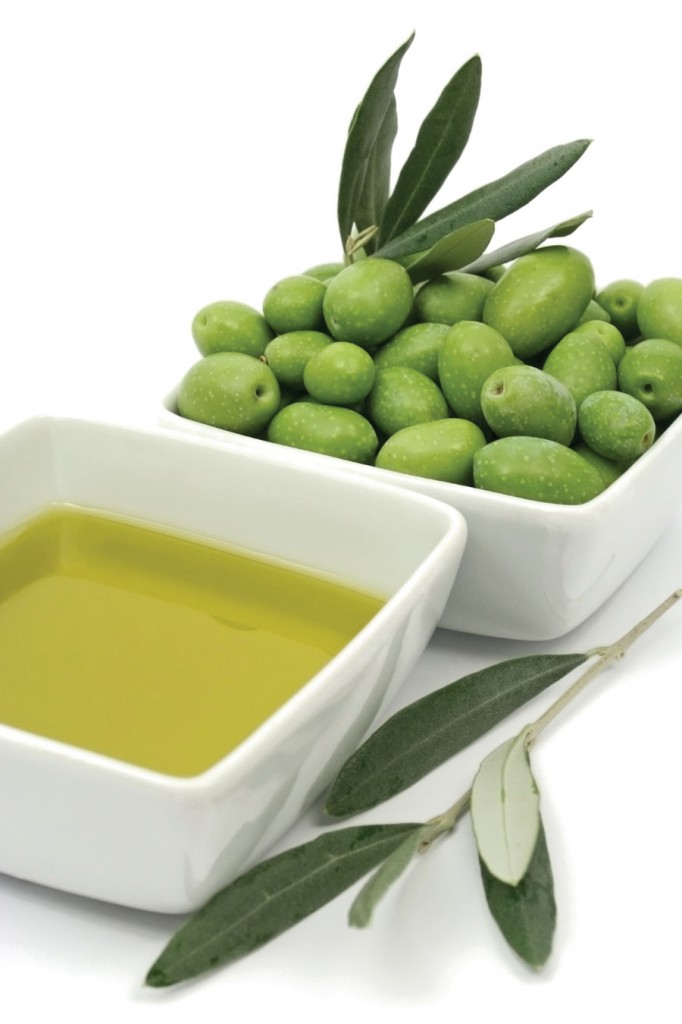
To make olive tapenade, pulse roughly 200g pitted olives with 2 tablespoons capers, a couple of anchovy fillets, a clove of garlic and a splash of olive oil into a coarse paste — no cooking, about five minutes start to finish. That is genuinely all there is to it. Tapenade is a raw, blended spread from Provence, and the only real skill is knowing when to stop the food processor so you keep some texture rather than making baby food. Below is the classic method, the ratios that never let you down, and a handful of variations worth trying once you have the basics down.
What tapenade actually is
The word comes from tapeno, the Provençal word for capers — which tells you something surprising: capers, not olives, gave the dish its name. It is a cornerstone of southern French cooking, though closely related olive-and-caper pastes turn up right across the Mediterranean. Traditionally it was pounded by hand in a mortar, and if you have the patience a mortar and pestle still gives the nicest, most rustic result. Most of us reach for a small food processor instead, which is perfectly fine so long as you pulse rather than blend.
Tapenade is uncooked and keeps well, which makes it one of the most useful things to have in the fridge. Spread it on crostini or warm baguette, stir a spoonful through pasta, dollop it over roast fish or a hard-boiled egg, or thin it with a little extra oil into a dressing. It is salty and intense, so a little goes a long way.
The classic method, step by step
You want good olives to start with. Black tapenade is the more familiar version — reach for meaty, brine-cured black olives rather than the dull, over-ripe canned sort. Kalamata work beautifully and are easy to find; a French variety such as Nyons is the more traditional choice if you can get it. Whatever you use, buy them unpitted if you can and pit them yourself — the flavour is better and you avoid the metallic tang some pre-pitted olives pick up. If you are unsure which olives to buy, our olive varieties guide is a good place to start.
- Pit the olives. Press each one with the flat of a knife and the stone slips out. Around 200g pitted is right for a small bowlful.
- Rinse the capers. If yours are salt-packed, rinse well and soak briefly; brined capers just need a quick rinse.
- Add everything but the oil to the processor: olives, capers, anchovies, garlic, a squeeze of lemon and a few grinds of black pepper.
- Pulse in short bursts until you have a coarse paste. Scrape down the sides once or twice. Stop while there is still a bit of texture.
- Drizzle in the olive oil with the motor running, or fold it in by hand, until it comes together into a spreadable, glossy paste.
- Taste and adjust. It may not need salt — the olives, capers and anchovies are all salty. A little more lemon or oil often lifts it.
Let it sit for half an hour before serving if you can; the garlic mellows and the flavours settle. Hold off on adding fresh herbs until near the end so they stay bright.
Classic black tapenade — ingredient ratios
| Ingredient | Amount (approx.) | Role |
|---|---|---|
| Pitted black olives | 200g (about 1 heaped cup) | The base and body |
| Capers, drained | 2 tbsp | Sharp, briny lift |
| Anchovy fillets | 2–3 fillets | Savoury depth (optional) |
| Garlic | 1 small clove | Aromatic bite |
| Extra-virgin olive oil | 2–3 tbsp | Binds and enriches |
| Lemon juice | 1 tsp, to taste | Brightness |
| Black pepper | A few grinds | Seasoning |
Those quantities make roughly a small jarful — enough for a dozen or so crostini. Scale up freely; the ratios hold. Purists often add a splash of brandy and a little fresh thyme, and some cooks work in a spoonful of Dijon mustard for a rounder finish. All are optional.
Variations worth trying
Once the classic is second nature, the format takes happily to change. A few favourites:
- Green olive tapenade. Swap in firm green olives for a fresher, sharper, more herbal spread. It pairs especially well with a little toasted almond blended in.
- Vegetarian / vegan. Leave out the anchovies. To keep the savoury depth, add a teaspoon of capers extra, a few sun-dried tomatoes, or a small pinch of finely chopped fennel or thyme.
- Sun-dried tomato tapenade. Fold in a handful of oil-packed sun-dried tomatoes for a sweeter, deeper red version — lovely with grilled vegetables.
- Herby and citrus. Fresh basil, parsley or a little orange zest brightens the whole thing and suits fish beautifully.
Texture is yours to control. For elegant canapés keep it coarse and rustic; for a dip or a sandwich spread, process it smoother and loosen with more oil.
How to store it
Spoon the tapenade into a clean jar, smooth the top and pour a thin film of olive oil over the surface to seal it from air. Sealed this way and kept in the fridge, it holds its flavour for up to a week or two. It also freezes well — portion it into an ice-cube tray, freeze, and pull out a cube whenever you need one. Bring it back to room temperature before serving, as the oil firms up when cold.
Common questions
Do I have to use anchovies?
No. Anchovies are traditional and add real savoury depth, but tapenade is still excellent without them. Leave them out for a vegetarian or vegan version and lean a little harder on the capers, garlic and herbs.
What is the difference between tapenade and olive paste?
Olive paste (or olive purée) is usually just blended olives, sometimes with a little oil. Tapenade is a specific Provençal recipe built around olives plus capers — and typically anchovies, garlic and lemon too. In short: all tapenade is an olive paste, but not every olive paste is tapenade.
Which olives are best for tapenade?
Meaty, well-cured olives with good flavour. Kalamata are a reliable, widely available choice for black tapenade; Nyons and other French varieties are traditional. For green tapenade, use firm brine-cured green olives. Avoid bland canned “black ripe” olives, which lack the depth you want.
Can I make tapenade without a food processor?
Absolutely — and the mortar-and-pestle method is the original. Chop the olives and capers finely first, then pound everything to a coarse paste, working in the oil at the end. It takes a few more minutes but gives a lovely rustic texture.