The Olive Appetizer Platter (How to Build a Great One)
A really good olive plate is one of the easiest, most generous things you can put in front of guests — and one of the easiest to do badly. Here is how to build one that vanishes before the main course.
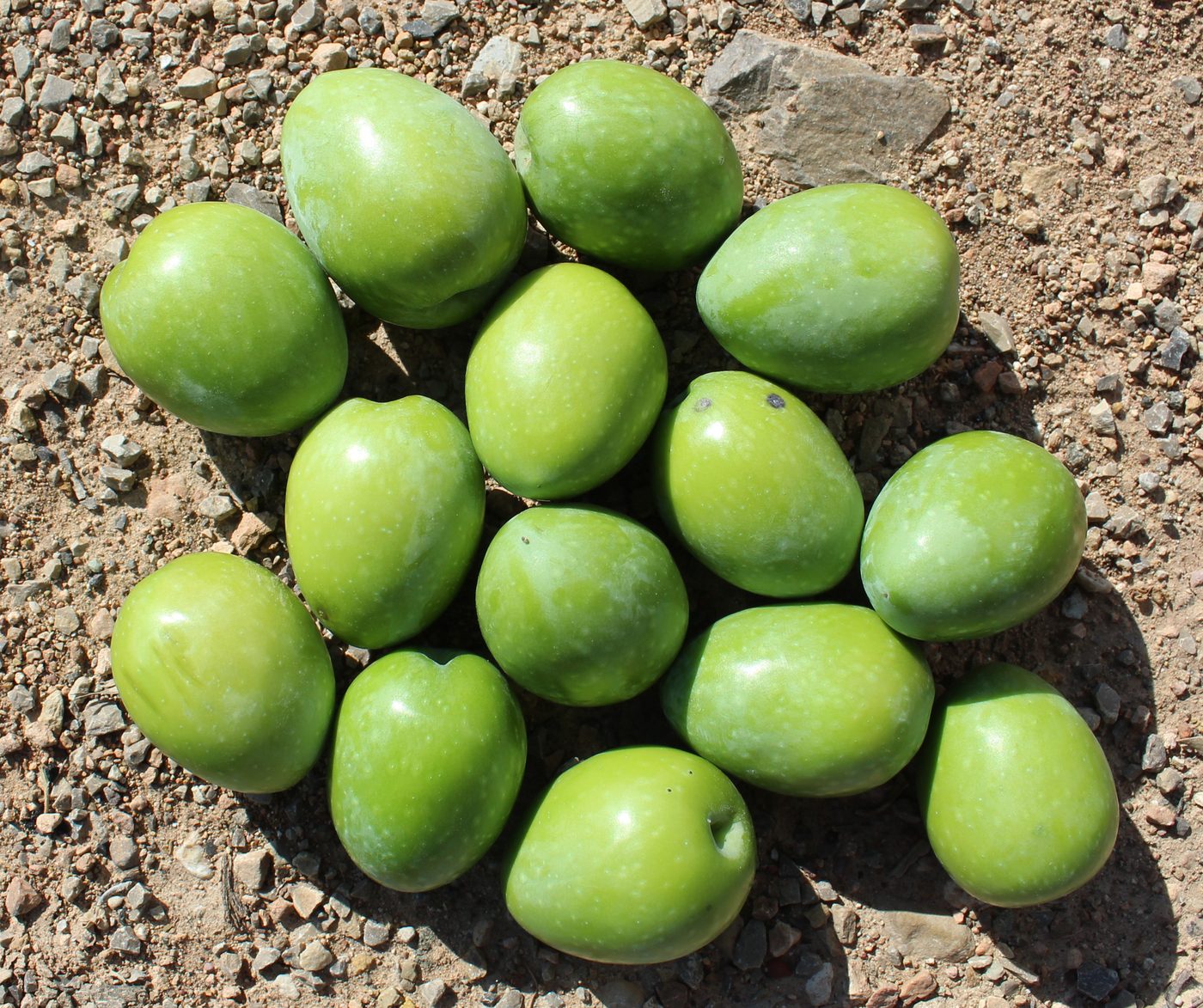
An olive platter looks effortless because it is — but the gap between a sad bowl of one olive and a board people graze at all night comes down to a handful of choices. Get the mix, the temperature and the warming right and the plate does the rest of the work for you.
Mix colours, sizes and cures
The secret is variety. Put out at least three different olives so every bite is a small decision: something green and crisp (a Castelvetrano or a big meaty Gordal), something black and winey (a Kalamata or a soft Gaeta), and something small and intense (a dry-cured black or a sharp Nyons). Different colours, sizes and cures keep the plate interesting long after a single-olive bowl has been abandoned. Buy them from a shop with real turnover so they taste fresh, not tired and tinny.
Warm them, dress them, surround them
The move that turns a jar into a spread is gentle warmth. Ten minutes in olive oil with garlic, a strip of citrus peel, a little chilli and some herbs wakes up the aromatics and loosens the fruit. Then surround the olives with the things that love them: cured meats, hard and soft cheeses, roasted peppers, toasted almonds, good bread and a small dish of oil for dipping. You are building a landscape, not filling a bowl.
Two rules and a warning
First, room temperature, always — fridge-cold olives are muted and waxy, so let them sit out an hour and they come alive. Second, warm them, even briefly, and a plain jar becomes something people remember. And the warning: put out an empty bowl for the stones. Serve olives with their pits in, because they genuinely taste better that way, and your guests will thank you for somewhere to put them.
| Role on the board | Good choices | Why |
|---|---|---|
| Green & crisp | Castelvetrano, Gordal | Mild, buttery, meaty — the crowd-pleaser |
| Black & winey | Kalamata, Gaeta | Soft, fruity depth to balance the green |
| Small & intense | Dry-cured black, Nyons | A concentrated, salty counterpoint |
| The surround | Cheese, cured meat, almonds, bread | Turns olives into a full spread |
Building it, step by step
- Choose three or more olives across colour, size and cure.
- Warm them 10 minutes in oil with garlic, citrus peel, chilli and herbs.
- Bring everything to room temperature before serving.
- Surround with cheese, cured meat, peppers, almonds and bread.
- Set out an empty bowl for the pits and pile the olives high.
Building an olive platter: common questions
How many kinds of olive should I use?
At least three, chosen to contrast — a mild green, a winey black and a small intense one — so every bite is different.
Should olives be served cold?
No. Fridge-cold olives taste muted and waxy; let them sit at room temperature for about an hour, or warm them gently, so the flavour opens up.
Pitted or unpitted?
Unpitted — olives keep more flavour and better texture with the stone in. Just set out an empty bowl for the pits.
How do I warm olives?
Ten minutes in gently heated olive oil with garlic, citrus peel, chilli and herbs is enough to wake up the aromatics and soften the fruit.
What goes alongside olives?
Cured meats, hard and soft cheeses, roasted peppers, toasted almonds, good bread and a dish of oil for dipping.
The mistake I see most is one olive, straight from the fridge, in a mean little bowl. Fix all three at once: three or more cures for contrast, an hour out of the cold or ten minutes warm in aromatic oil, and pile the plate high — generosity is most of the effect. Leave the pits in for flavour and give people a bowl for them. Do that and you’ll never make the same tired dish twice.
A house method for building a mixed olive board; buy from a shop with real turnover for freshness.