How to Stuff Green Olives (Three Classic Ways)
Salty olive, surprise centre: the stuffed olive is a tiny piece of theatre. Three fillings are classic — pepper, almond, anchovy — and each is easy at home. But the trade knows things about the jarred versions that the label will never tell you.
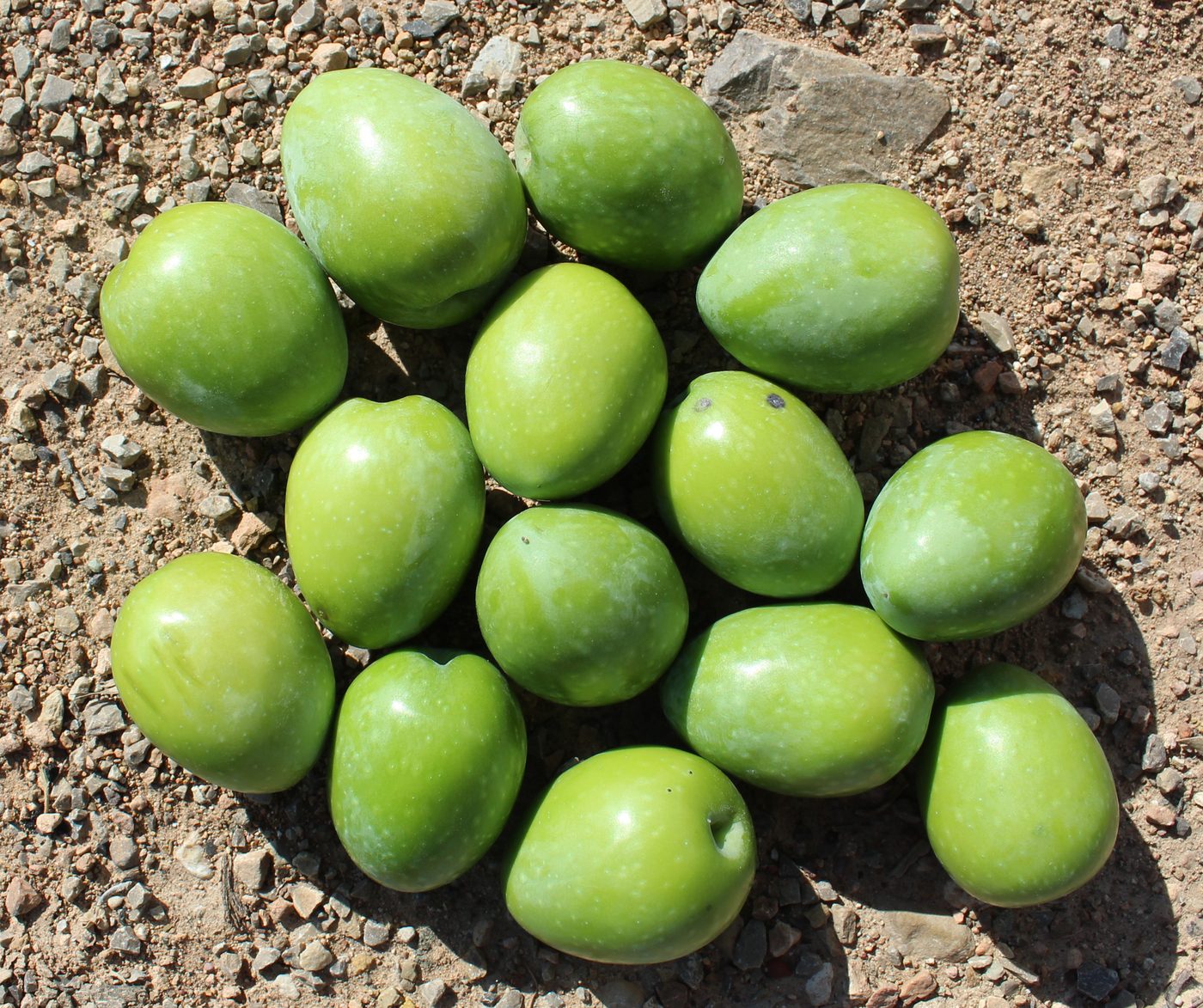
Stuffed olives feel like a deli luxury, but a good one is a five-minute job at home — and far better fresh than from a jar. You need a big, firm, pitted green olive and a steady hand. Get the olive right and the rest is easy: a Spanish Gordal, a big Cerignola or a meaty Greek Halkidiki, all roomy enough to hold a real filling rather than a mean smear of paste. Buy them pitted, or pit them yourself by pressing each with the flat of a knife to crack the flesh and slip the stone out.
The three classic fillings
Pimento is the one everyone knows — a sliver of sweet roasted red pepper against the salt, the filling of the cocktail olive. Almond is the connoisseur’s choice: a single blanched almond pushed into the cavity for a clean, nutty crunch, gorgeous with a fat Gordal. Anchovy is the savoury bomb, a curl of salted fish that doubles down on the brine. Beyond the big three, garlic, blue cheese, feta, sun-dried tomato and a strip of citrus peel all work — a stuffed olive is a licence to experiment.
What the jar won’t tell you
Here is the trade’s honest word, and it changes how you shop. The cheap commercial pepper stuffing is rarely a real strip of pimento at all — it is an industrial red paste, piped in by machine, that has more in common with a gel than with a roasted pepper. The genuinely hand-stuffed pepper olive is a different, and far pricier, thing. The anchovy filling, meanwhile, is always made from canned or salt-cured anchovy, and that is not corner-cutting — it is a food-safety necessity, because raw anchovy carries real risk, and the curing is what makes it safe to sit in a jar. So when you compare a pepper olive with an anchovy one, know that the anchovy was never going to be fresh, and much of the pepper was never really pepper.
The step people skip: marinate them after
This is the difference between a snack and something you cannot stop eating. Once stuffed, marinate the olives for a few hours, or overnight, in good olive oil with garlic, a strip of lemon or orange peel, a little chilli and a few herbs. The oil softens and melds the flavours, the filling settles in, and a plain stuffed olive becomes a proper appetiser. One more rule: serve them at room temperature, never fridge-cold. Chilling mutes both the olive and the oil, flattening everything you just built.
| Filling | What it really is | The trade’s verdict |
|---|---|---|
| Pimento / pepper | Ideally roasted red pepper; cheaply, an industrial red paste. | Buy hand-stuffed, or make it — the paste is filler. |
| Almond | A single blanched almond. | The best of the three; superb with a Gordal. |
| Anchovy | Always canned or salt-cured fish. | Never fresh, and rightly so — a safety necessity. |
| Garlic / blue cheese | A tiny nub of either. | Bold, easy, best done at home. |
| Feta / sun-dried tomato | Small cubes or slivers. | Good modern fillings; marinate them well. |
Getting it right at home
- Start with a big, meaty, firm green olive — Gordal, Cerignola or Halkidiki — with room inside.
- Pit them cleanly by pressing with the flat of a knife, or buy them pre-pitted.
- Push in real fillings: a strip of roasted pepper, a whole almond, a curl of good anchovy.
- Always marinate after stuffing in oil, garlic, citrus peel, chilli and herbs.
- Serve at room temperature — cold kills both the olive and the oil.
Stuffed green olives: common questions
Which olives are best for stuffing?
Big, firm, meaty green ones with room inside — Spanish Gordal, Italian Cerignola or Greek Halkidiki. Buy them pitted, or pit them yourself with the flat of a knife.
What are the three classic fillings?
Pimento (sweet roasted red pepper), almond (a single blanched nut for crunch) and anchovy (a curl of salted fish). Garlic, blue cheese and feta are common extras.
Why is the pepper filling sometimes a paste?
Because cheap commercial versions pipe in an industrial red gel rather than a real strip of pimento. The genuine hand-stuffed pepper olive costs more — or make your own.
Is the anchovy filling fresh?
No — it is always canned or salt-cured, and that is deliberate. Raw anchovy carries a food-safety risk, and curing is what makes it safe to keep in the jar.
What is the secret to great stuffed olives?
Marinate them after stuffing in good oil with garlic, citrus peel, chilli and herbs, and serve at room temperature rather than fridge-cold.
Two things the label hides, from someone who sold these by the drum. First, most cheap ‘pepper-stuffed’ olives contain not a strip of roasted pimento but an industrial red paste piped in by machine — if the pepper matters to you, buy hand-stuffed or make your own. Second, the anchovy filling is always canned or salt-cured, never fresh, and that is exactly right: raw anchovy is a genuine safety risk, and the curing is the safeguard. My own tip has nothing to do with the filling — it is to marinate the finished olives in good oil and serve them at room temperature. That is what turns a jarred snack into something people crowd around.
Drawn from Mediterranean stuffed-olive practice and the trade realities of commercial pepper and anchovy fillings.