The Top Diet . . . for Your Ticker
Mediterranean eating patterns keep outperforming low-fat plans in cardiovascular trials. The finding is real and it is also narrower than the headlines — and the type of olive oil used is not a detail.
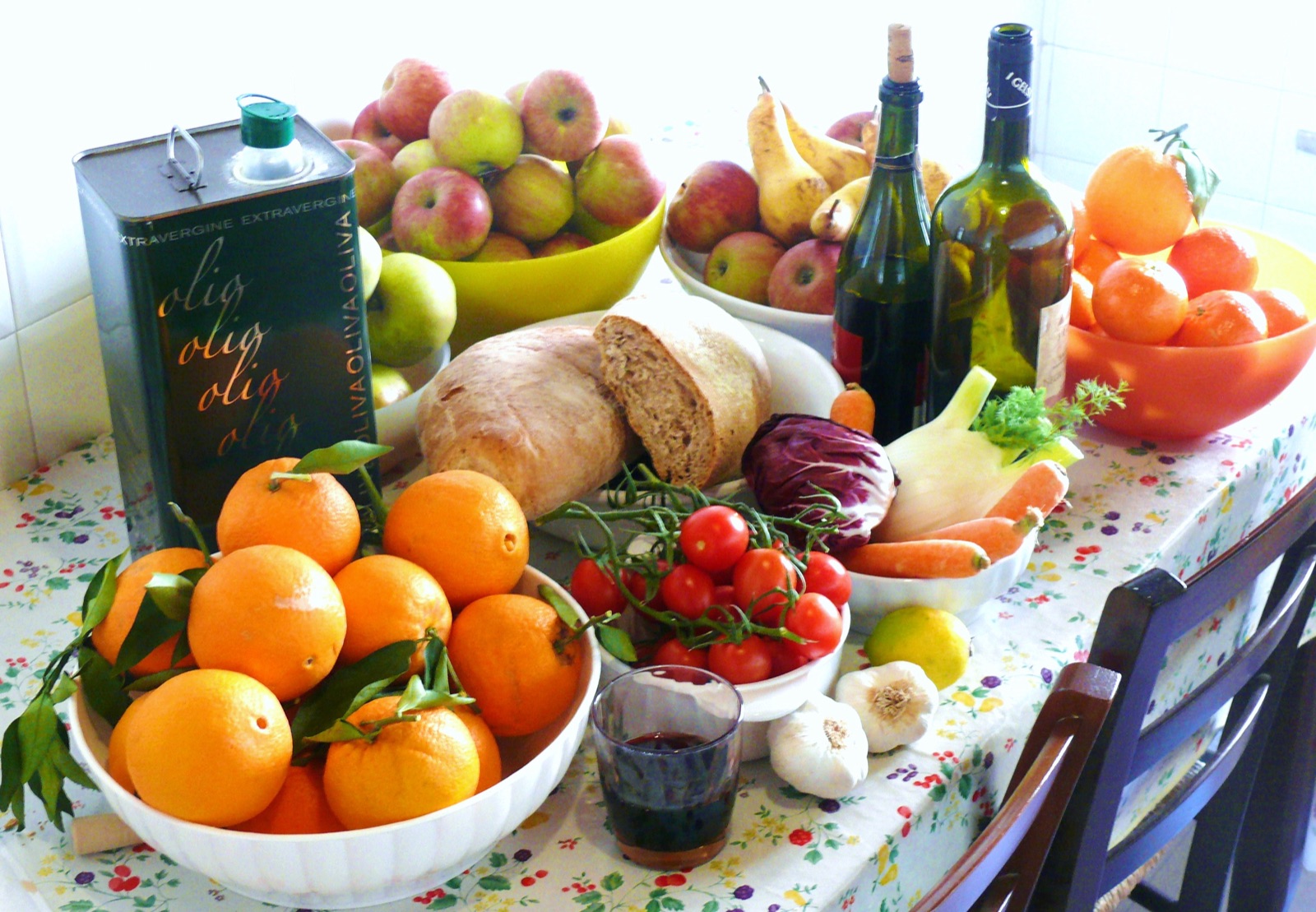
For thirty years the same result has kept turning up: people who eat in a broadly Mediterranean way — vegetables, pulses, fish, nuts, whole grains, plenty of olive oil, modest meat — have less cardiovascular disease than people eating a typical Northern or American diet. The interesting question is not whether that pattern is real. It is what exactly is doing the work, how big the effect is, and whether it survives contact with a supermarket shelf.
This is general information, not medical advice.
What the trials actually compared
The best-known evidence is a large Spanish trial that randomised thousands of people at high cardiovascular risk to one of three groups: a Mediterranean diet with extra virgin olive oil supplied free, the same diet with mixed nuts, or advice to eat a reduced-fat diet. Both Mediterranean arms had roughly a third fewer major cardiovascular events than the control arm over several years.
Two honest caveats belong with that number, and they are usually left out. First, the trial was retracted and republished in 2018 after errors were found in how some participants were randomised; the corrected analysis reached materially the same conclusion, but it is right to say so out loud. Second, the comparison was not Mediterranean diet versus nothing. It was Mediterranean diet versus advice to cut fat — and advice is weak medicine. The control group was told what to do; the Mediterranean groups were given free oil and nuts every week. Part of what the trial demonstrates is the power of actually handing people the food.
What is in the oil, and what the regulators accept
Olive oil is mostly monounsaturated fat, principally oleic acid, which is the part of the story most people know. But refined olive oil is also mostly oleic acid, and it does not carry the same interest. The difference is the minor fraction: the phenolic compounds that survive in virgin oil and are stripped out by refining. Hydroxytyrosol, tyrosol, oleuropein derivatives, oleocanthal and oleacein are the names that matter.
European regulators have been careful here. The one authorised claim is narrow and specific: olive oil polyphenols contribute to the protection of blood lipids from oxidative stress, and it may be used only where the oil contains at least 5 mg of hydroxytyrosol and its derivatives per 20 g, with the benefit tied to a daily intake of 20 g of olive oil. That is a claim about protecting blood lipids from oxidation. It is not a claim that olive oil prevents heart attacks, and no serious authority has approved one.
| Main fat | Monounsaturated, chiefly oleic acid — typically the majority of the oil |
|---|---|
| Key phenolics | Hydroxytyrosol, tyrosol, oleuropein derivatives, oleocanthal, oleacein |
| Authorised EU claim | Olive oil polyphenols contribute to the protection of blood lipids from oxidative stress |
| Claim threshold | At least 5 mg hydroxytyrosol and derivatives per 20 g of oil |
| Stated daily intake | 20 g of olive oil, roughly a tablespoon and a half |
| Lost in refining | Most of the phenolic fraction — refined and light oils do not qualify |
| Rough sensory cue | Bitterness and a peppery catch at the back of the throat |
| Not established | Prevention or treatment of any disease by olive oil alone |
Why the bottle you buy is not a detail
Here is the practical problem. The phenol content of extra virgin olive oil varies enormously — by cultivar, ripeness at harvest, milling temperature and time, filtration, and above all age. It falls steadily in storage, faster in light and heat. A great deal of ordinary supermarket extra virgin, bottled from oil that was already a year old, would not come close to the threshold in that European claim. Nothing on the label tells you, because phenol content is almost never declared.
You do have one crude instrument: your throat. The bitterness on the tongue and the peppery cough at the back of the throat are caused by the phenolic compounds themselves. An oil that makes you cough is not badly made — it is well made and young. An oil that tastes of nothing much has either lost its phenols or never had many. That is why people who switch to a good fresh oil often say it tastes too strong at first, then find the mild stuff insipid a month later.
Sensible conclusions
- The pattern beats the ingredient. No single food carries a diet; vegetables, pulses, fish, nuts and less processed meat did work alongside the oil.
- Buy virgin, not light or refined — refining removes the fraction the health claim is about.
- Freshness is the hidden variable. Check the harvest date; phenols decline every month in the bottle.
- Use it raw as well as for cooking. Finishing oil over vegetables, pulses and fish is how the Mediterranean pattern actually delivers the dose.
- Store it cool, dark and closed. A bottle by the hob is losing exactly what you paid for.
- Treat the throat-catch as a feature. It is the cheapest phenol meter you will ever own.
Olive oil and heart health: common questions
Does olive oil prevent heart disease?
No responsible authority claims that. Trials show that a Mediterranean eating pattern including extra virgin olive oil is associated with fewer cardiovascular events than a reduced-fat diet, which is a claim about a whole pattern rather than a single bottle. This is general information, not medical advice.
Is the Mediterranean diet better than a low-fat diet?
In the largest randomised trial the Mediterranean arms did better than the reduced-fat control arm. Both approaches are far better than a highly processed diet, and adherence matters more than the label.
How much olive oil should I use?
The European authorised claim is framed around 20 g a day, roughly a tablespoon and a half. Trials used more, often three to four tablespoons daily, within a diet that was otherwise moderate.
Does refined or light olive oil have the same benefits?
No. Refining removes most of the phenolic compounds the health claim concerns. Light refers to flavour and colour, not calories, and such oils do not qualify for the claim.
How can I tell if an oil is high in polyphenols?
You cannot measure it at home, but bitterness and a peppery catch in the throat are caused by those compounds and are a reasonable rough guide. A recent harvest date matters just as much, since phenols decline in storage.
The health story sells a lot of olive oil, and much of it is sold in exactly the form that carries the least of what the story is about: pale, mild, year-old oil chosen because it does not upset anyone. If you are buying olive oil for your health rather than your dinner, buy the young, bitter, throat-catching stuff and use it raw. And do not let a bottle become a virtue token — drizzling good oil over a bad diet is not what any of those trials tested.
Drawn from the published randomised evidence on Mediterranean dietary patterns, including its 2018 retraction and republication, and from the European authorised health claim on olive oil polyphenols. This is general information, not medical advice.