Argentina Sprays 3,500 Hectares Against an Olive Scale
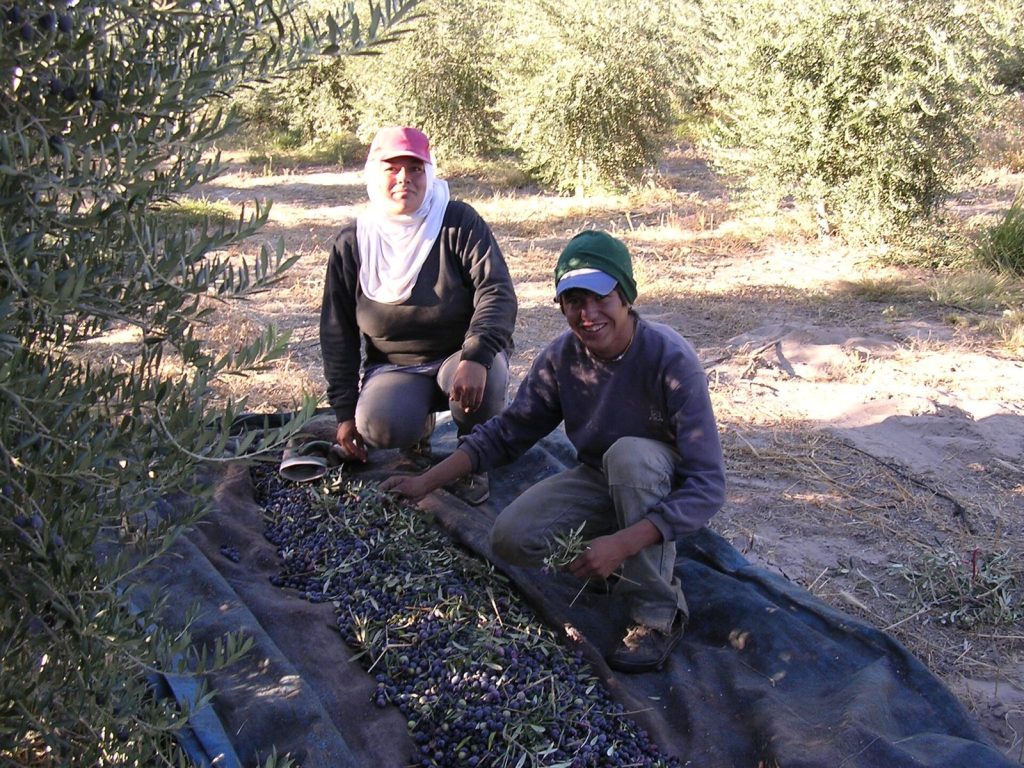
Cordoba province has started spraying 3,500 hectares of olives around Cruz del Eje against the bud scale, weeks earlier than planned, because an unusually warm winter got the insect moving before the growers were ready. A small campaign in a small olive region, and a good illustration of how quickly a pest schedule falls apart when the weather shifts.
What is being done
The provincial agriculture authorities have launched an olive health plan covering the Cruz del Eje olive basin in the northwest of Cordoba province, in Argentina. The target is the cochinilla de la yema, the bud scale, a sap sucking insect that shelters in the buds and on young wood and weakens the tree while coating it in the sticky residue that brings sooty mold.
The budget is 400,000 pesos. Of that, 208,359 pesos went on inputs for the spraying itself, a silicone based oil and bifenthrin, with the rest covering operations and logistics. A survey before the campaign found 1,200 hectares seriously affected and another 2,300 hectares with damage at various stages.
The timing is the interesting part. The provincial secretary of agriculture, Hector Fontan, said the national agricultural research institute had studied the scale’s cycle and identified this moment as the right one to hit it, because the high temperatures recorded had set the insect moving. The plan had been built for spring, and the whole schedule had to be brought forward.
Why timing decides everything with scale
Scale insects spend most of their life under a protective cover that oil and contact insecticides struggle to penetrate. There is a short window, when the young crawlers are on the move and before they settle and build that cover, in which treatment actually works. Miss it and you are spraying a shield.
- Warm weather advances the crawler stage, sometimes by weeks.
- Monitoring, not the calendar, sets the spray date.
- Oils work by smothering, so coverage matters more than dose.
Growers in California learned a version of this the hard way with their own arrivals, as we wrote when a new olive pest turned up in the south of the state. The lesson travels: a regional spray program is only as good as the scouting behind it.
Where this sits in Argentina’s olive story
Argentina is the newcomer that grew fastest. Plantings expanded hugely through the 1990s and 2000s on the back of investment incentives, mostly in La Rioja, Catamarca, San Juan, Mendoza and here in Cordoba, and the country turned into a serious exporter of both oil and table olives, as we noted when its exports set a record.
What it has lacked is the institutional scaffolding that old producing countries take for granted. That is being built now. In June the federal olive forum met for the thirty second time to push the national strategic olive plan, with the aim of presenting it before the end of the year, timed around the International Olive Council meeting in November at which Argentina will sit as a full member for the first time. The same meeting agreed to work on an arrangement with Banco Nacion to ease credit along the olive chain, and on denominations of origin.
Against that, a 400,000 peso spraying campaign looks small. It is also the kind of thing that decides whether the strategic plan means anything. A young industry that cannot organize pest control loses its crop quality first and its export customers second. Fontan used the occasion to repeat the region’s standing request, that the national government treat the olive the way it treats the other regional crops of the province’s northwest.
Scale damage rarely shows in a laboratory report, but it shows in the glass. Trees under heavy scale pressure carry smaller fruit with lower oil content, and the sooty mold that follows means dirty fruit arriving at the mill. If a region’s oil suddenly tastes duller than its reputation, ask about the insect year before you blame the variety.