EPA Clears a Weed Killer for US Olive Groves
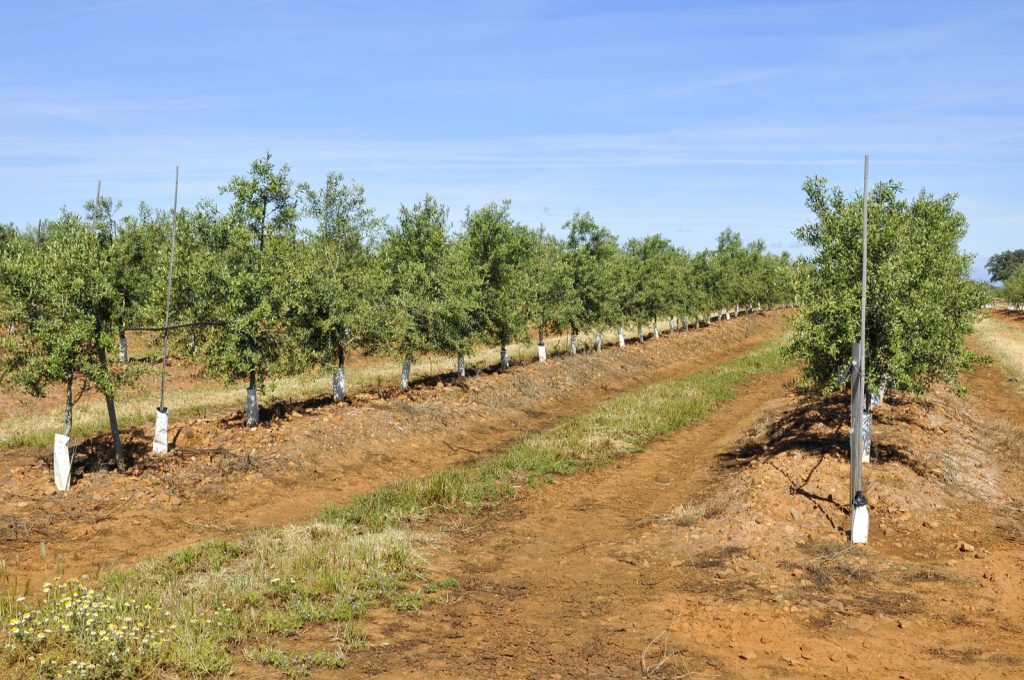
The Environmental Protection Agency has set a residue limit for the herbicide pendimethalin on olives at 0.1 parts per million, which in practice clears the way for American olive growers to use it legally under the trees. A three page rule in the Federal Register, and a small window into how minor crops get the tools they need.
What the rule says
The final rule was published on September 9 and took effect the same day. It establishes a tolerance for combined residues of pendimethalin, including its metabolites and degradates, in or on olive, at 0.1 parts per million. Objections and requests for a hearing have until November 9.
The request did not come from a farm lobby or from the chemical’s maker acting alone. It came from Interregional Research Project Number 4, known in American agriculture simply as IR-4, with the registrant BASF preparing the technical summary on its behalf. The petition was announced in April, no one commented, and the agency concluded that the tolerance is safe under the standard set by the food law, using conservative assumptions including that 100 percent of the crop is treated.
The rule also notes that there is no Codex or Canadian limit for pendimethalin, and that Mexico has limits for several crops but not for olives. In other words, this is the first number of its kind for olives in this part of the world.
Why a herbicide tolerance matters to a grove
Pendimethalin is a pre emergent herbicide: it is applied to bare ground and stops weed seeds establishing rather than killing weeds that are already up. In an olive grove that is exactly the job that needs doing, for three unglamorous reasons.
- Young trees lose to weeds for water and nitrogen before they lose to anything else.
- Mechanical harvesting, whether by trunk shaker onto catch frames or by over the row machine, needs a clean, even orchard floor.
- Repeated cultivation to control weeds damages surface roots and, on a slope, walks the soil downhill.
Californian growers have been rebuilding their groves around machines for a decade, and the equipment only pays if the ground underneath cooperates, as the growers’ meetings on mechanical harvesting keep pointing out. Weed control is also one of the fixed jobs in the grove year, and every method has a cost: herbicide, mower, cultivator or sheep.
The minor crop problem
The reason this needed a special program is money. Registering a pesticide for a crop costs a great deal, and a manufacturer will do it for maize or soybeans without being asked. Olives in the United States are a minor crop, a few tens of thousands of acres in one state, so nobody is going to fund the residue trials for the sake of that market.
IR-4 exists to fill exactly that hole. It is a publicly funded program that runs the field trials and assembles the data so that specialty crops can have legal, tested uses instead of either going without or relying on quiet off label practice. The unglamorous truth of the last few decades is that a large share of the products used legally on fruit, nuts and vegetables in America arrived through this route.
For growers, the practical effect of today’s rule is narrow but real: a tool that was already common in other orchards is now usable under olives without a legal question mark, and there is a number a laboratory can measure against if anyone asks what is on the fruit.
A residue tolerance is not a statement that a chemical is in your food. It is the legal ceiling that allows a use to exist at all, and for an oil crop it matters less than for a salad crop, because pendimethalin is applied to the ground, not the canopy, and the fruit is pressed rather than eaten whole. If residues genuinely worry you, the question to ask a producer is what they do about weeds and the fly, not whether they have a certificate.