Snow and Frost Batter Alicante’s Mountain Olive Groves
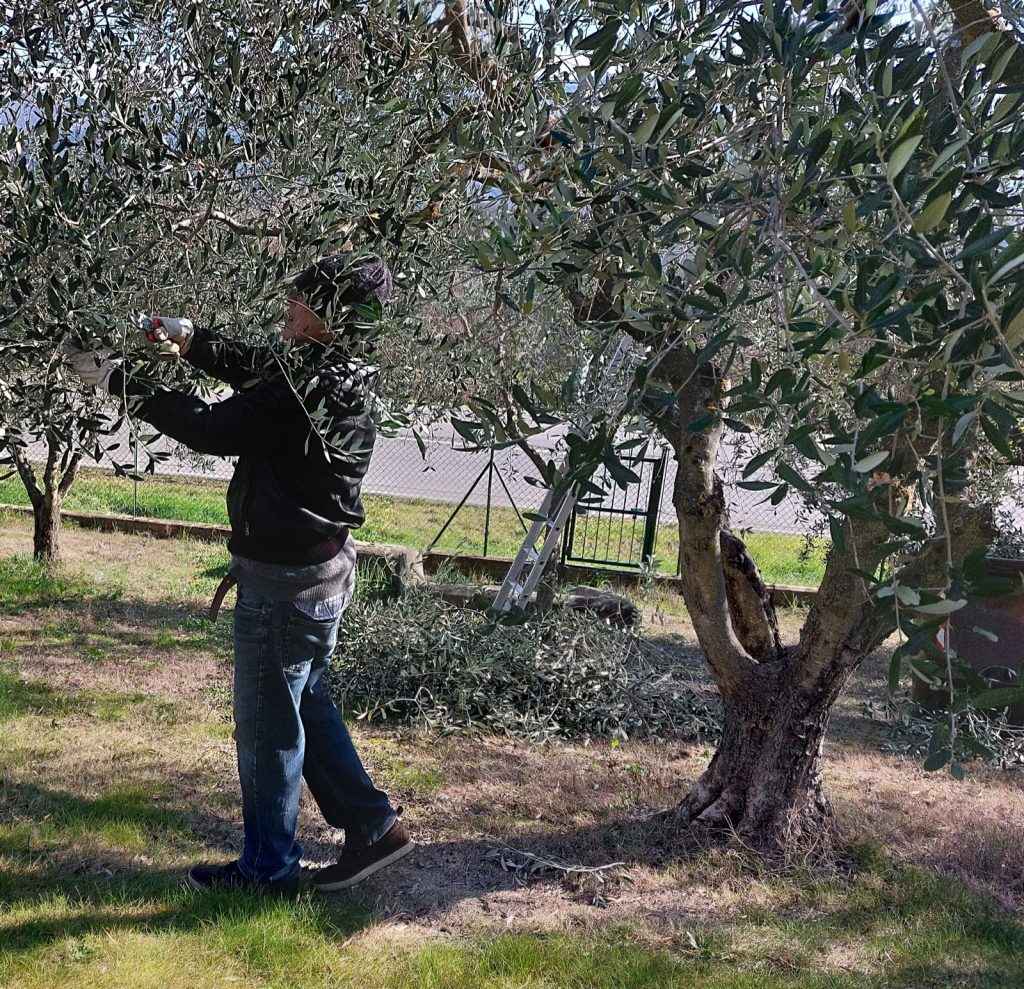
Last weekend’s heavy snow and the hard frost that followed have badly damaged the olive groves of the Alicante mountains, according to the farm union Jóvenes Agricultores ASAJA Alicante, which says frozen fruit may not be worth picking and the weight of snow has torn main branches off many trees. This note covers what the growers are reporting, why snow does more lasting harm to an olive grove than cold alone, and what the union is asking for.
What happened
The cold snap swept across Spain from the end of last week. By Monday, December 21, the first day of winter, 41 provinces were on weather alert for low temperatures, snow, rain, wind or heavy seas, 22 of them at orange level, and snow was snarling traffic in Madrid. In the olive heartland of Jaén, the state weather agency had put the capital and the Sierra Morena on orange alert for up to five centimeters of snow on Saturday, and up to twenty centimeters in the Cazorla and Segura mountains, with average lows forecast around minus 4 and minus 6 degrees Celsius there.
In the mountains of Alicante, where olives grow on terraces well inland from the coast, the snow settled on the trees and then froze. ASAJA Alicante’s technicians, who are still counting the losses, describe two kinds of damage. The first is to the fruit: olives that freeze on the tree lose quality badly, and some of the affected crop may simply be left unpicked this season. The second is to the trees themselves. Many have been knocked over, and above all they have lost main branches, which means the damage will be felt in the coming years as well as this one.
The union’s president, Eladio Aniorte, says severe pruning and some replanting will be needed to bring the groves back, a serious cost for a sector already worn down by low olive oil prices. ASAJA is asking the regional agriculture department to act quickly and set up a special plan to restore the productive capacity of the mountain groves, which matter to the economy of many small towns in the area.
| Type of damage | Effect on the grower |
|---|---|
| Frozen fruit on the tree | Lower oil quality; some fruit not worth harvesting this season |
| Main branches broken by snow | Lost bearing wood; smaller crops for several years |
| Trees knocked down | Replanting, and years before new trees bear |
Why snow is worse than cold
An olive tree can shrug off a light frost, and a dusting of snow that melts by noon does little harm. Last year a cold spell in December left the crop largely untouched, as we reported in olive harvest unaffected by snow in Spain. The trouble comes when wet, heavy snow sits on an evergreen canopy that is still carrying fruit. The leaves hold the snow, the branches bend, and a sharp frost overnight turns the load to ice. Under that weight the main limbs can split where they fork from the trunk. That is structural damage, and it is why frost stories in olive country keep echoing for years. Even a frost that seems to pass harmlessly can cost the next crop, as growers in California found when frost damage showed up months later in their olives.
Frozen fruit is a separate problem. Ice crystals rupture the cells of the olive, the fruit starts to break down, and oil made from it tends to pick up an off flavor that tasting panels call frostbitten or wet wood. Mills that take such fruit usually keep it apart, and much of it ends up in the lower grades rather than in extra virgin.
What it means for buyers
- Alicante’s mountain groves are a small share of Spain’s crop, so national prices are unlikely to move.
- Local, small-batch oils from the area may be scarcer or of lower grade this season.
- Some of the damage will show up in smaller harvests for the next few years, not just this one.
After a freeze, frozen olives do not disappear; they get milled. A careful mill separates them and sells the oil as lower grade. A careless one blends it in. If you buy from a small producer after a hard winter, ask when the fruit was picked relative to the frost. An honest grower will tell you, and the good ones will have picked what they could before the cold arrived.