Severe Winter Hits San Juan’s Young Olive Groves
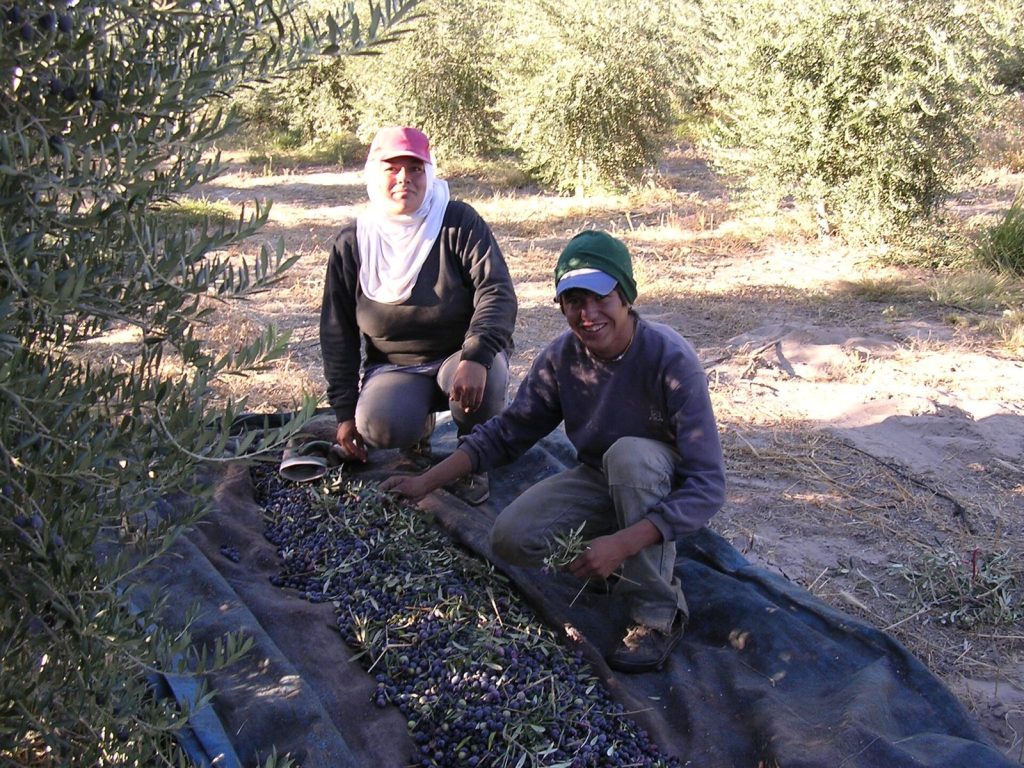
Weeks of hard cold in San Juan, Argentina, have left olive growers fearing a repeat of 2007, when frost destroyed a large share of the province’s groves, and the first reports say young plantings and the cold-sensitive Manzanilla have taken the worst of it. This note covers what growers are seeing, why the province is so exposed, and what it could mean for a country that has been selling more olive oil every year.
What happened
Olive Oil Times reported on August 18 that trees in the eastern part of the province already show damage, and that the assessment will take weeks: growers expect to know what has happened to the young plants within about twenty days and to the older ones in September. Antonio Olivares, president of the province’s olive oil association, said the situation facing growers is one of great concern and that everything so far points to severe losses.
The measure being quoted is the count of winter hours below 7 degrees Celsius, which Argentina’s national agricultural technology institute, INTA, puts at around 1,042 this year, slightly more than in 2007. The hours that do the damage, though, are the ones below zero, which kill flower buds and fruit and, at worst, the wood itself. Carlos Pasquet, a traditional producer in the region, said the year resembles 2007 but with more humidity and some snow, which may soften the blow; even so, he described plants frozen down to the fork of the trunk and zones where the trees are now useless.
Why San Juan is exposed
San Juan has about 18,600 hectares of olives, much of it Manzanilla, a variety that does not take cold well. The rest is in hardier types such as Arbequina and Changlot. The province sits in the dry, high, wind-exposed west of the country, which is what makes the fruit clean and the oil good, and also what makes a cold winter dangerous.
The wider Argentine picture explains why so much of this planting is young. As the International Olive Council’s country profile sets out, the area under olives grew from about 29,500 hectares in the early 1990s to some 71,000 by 1998 and roughly 100,000 by 2005, most of it high-density planting driven by an investment incentive law, concentrated in La Rioja, Catamarca and San Juan. Young trees in a hard frost are the first to die.
| San Juan and the frost | Figure |
|---|---|
| Olive area in the province | About 18,600 hectares |
| Winter hours below 7 degrees Celsius (INTA estimate) | About 1,042, slightly above 2007 |
| Most exposed variety | Manzanilla |
| Last comparable event | 2007, when a large share of provincial groves was lost |
| Previous season’s harvest | Half to 60 percent of the year before |
What it means for the trade
Argentina had already come through a short season: the 2009/10 harvest was reported at only half to 60 percent of the previous one, which pushed prices up and, in the short term, suited sellers. Another bad year is a different matter. Buyers who have spent a decade building Argentine supply, since the days when the country was setting export records and foreign companies were buying in to plant there, will be watching September’s assessments closely.
- Frost damage to wood shows up in reduced crops for several years, not one.
- Manzanilla plantings, grown mostly for table olives, are the most exposed.
- Nothing is certain until the trees push new growth in spring.
Frost numbers arrive in two waves, and the first wave is always wrong. In the weeks after a freeze the talk is of catastrophe, because burnt leaves look like death. Then spring comes, some trees shoot from the trunk, others do not, and the real figure lands months later, usually quieter than the first one. If you buy oil, do not renegotiate on the August headlines; wait for the growth in October. If you sell it, be careful about promising volumes you have not seen leaf out.
Sources
- Olive Oil Times, Severe winter damages San Juan olive plantations (August 18, 2010) copy
- International Olive Council, country profile: Argentine (PDF), archived copy