Jaén Growers Get 1.1 Million Euros to Fight the Olive Fly
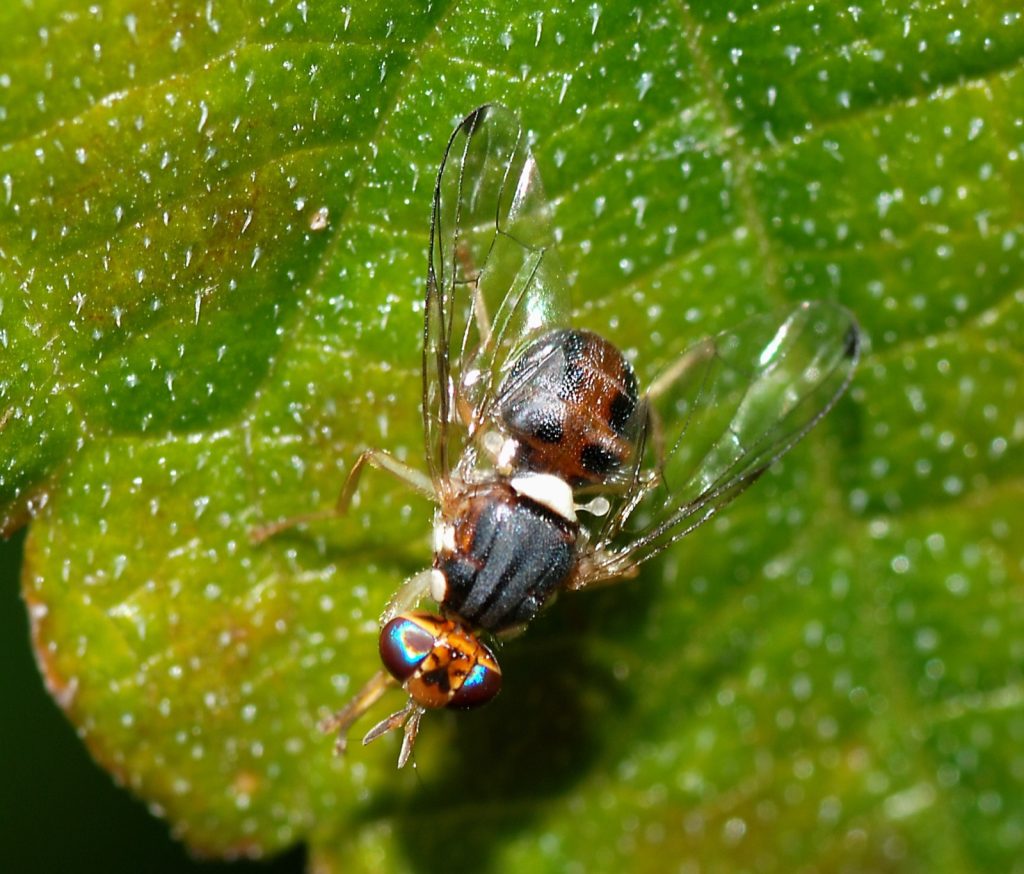
Olive growers in Jaén, the province that makes more olive oil than any other in Spain, are to receive 1.1 million euros from the regional and national governments to help pay for this year’s campaign against the olive fruit fly. The money covers part of a spraying and trapping effort that began in July and runs until November across some 275,000 hectares of groves. Here is what the aid pays for, why the fly matters so much to oil quality, and what it tells you about the bottle you buy next spring.
What was announced
According to Óleo Revista and Olive Oil Times, both reporting on Wednesday, September 8, the aid is funded by the Junta de Andalucía and the Spanish government. It is not paid to individual farmers. The beneficiaries are the recognized integrated production groups for olive growing (known in Spain as APIs), the olive grove plant health associations called ATRIAs, and the regulatory councils of the protected designations of origin. The subsidy can cover at most 35.5 percent of the cost of the treatments, so growers are still paying for most of the work themselves.
The campaign itself is run by the farmers through those groups. It uses two kinds of traps: yellow sticky traps that attract the adult flies by color, and bait traps that catch them. Where the fly count justifies it, bait sprays are applied, mostly from the air, with ground treatments where the terrain allows. In a province where much of the olive country is hill and slope, aircraft are often the only practical way to cover the ground.
| Item | Figure |
|---|---|
| Aid for the 2010 campaign | 1.1 million euros |
| Maximum share of treatment costs covered | 35.5 percent |
| Olive groves covered | About 275,000 hectares |
| Treatment period | July to November |
Why one small fly gets this much money
The olive fruit fly, Bactrocera oleae, is the most damaging insect pest of olives anywhere they are grown. The female lays her eggs under the skin of the fruit, and the maggot eats its way through the flesh. The University of California’s Center for Invasive Species Research notes that in some parts of the world the fly is responsible for losing up to 80 percent of the value of the oil, and all of the value of some table olive varieties.
For oil, the damage comes in three ways. Attacked fruit loses pulp, so there is simply less oil. Some fruit drops early. And, most important for anyone who cares what ends up in the bottle, a damaged olive is an open door for bacteria, yeasts and molds. The same UC researchers point out that oil fruit can carry a fair amount of fly damage without much harm as long as it goes to the mill quickly, but that damaged fruit stored for more than a few days builds up acidity and off flavors. In a big harvest, when trucks queue at the mills and fruit sits in heaps, that is exactly what happens.
What it means for the trade and for buyers
A bad fly year in Jaén does not usually make headlines outside Spain, but it shows up in the market. A higher share of the crop fails to make extra virgin grade and ends up as virgin or lampante oil, which has to be refined. With farm-gate prices already low after two poor seasons for growers, losing grade on part of the crop hurts twice.
- Fly damage lowers yield per tree, so each liter of oil costs more to produce.
- It raises free acidity and the risk of defects such as the “fusty” and “winey” notes tasters are trained to find.
- It pushes more oil into the lower grades, which sell at a discount.
If you want to know what those defects taste like and where they come from, our piece on the chemistry of off-flavours explains it, and our older note on virgin and extra virgin olive oil covers why a small drop in quality moves an oil into a cheaper category. The fly is not only a Mediterranean problem either: California has been fighting it for years, as we noted when it threatened the state’s olives.
In a heavy fly year the problem is rarely the fly alone, it is the delay between picking and milling. Fruit with a bit of damage that is crushed the same day can still make good extra virgin. The same fruit left in a pile for a week will not. That is why the best producers in fly years pick earlier, mill within hours and pay for it, and why a harvest date and a named mill on a label are worth more to you than any slogan about tradition.
Sources
- Óleo Revista, “Los olivareros jiennenses recibirán 1,1 millones de euros para luchar contra la mosca del olivo” (September 8, 2010)
- Olive Oil Times, “Aid for Andalusian Olive Farmers Battling Fruit Fly” (September 8, 2010)
- UC Riverside Center for Invasive Species Research, Olive Fruit Fly