Jaén Forecasts 530,000 Tonnes as Frost-Hit Growers Protest
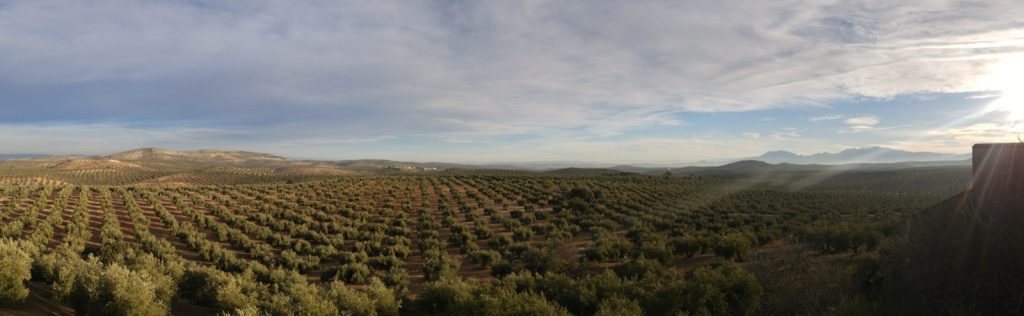
The Andalusian agriculture department published its first harvest forecast this morning and expects Jaén, the world’s biggest olive oil province, to make about 530,000 tonnes of oil this season, roughly a fifth more than last year. On the same day, some 200 growers whose trees were ruined by the 2005 frost blocked a main avenue in the city to demand relief on their loans. This note covers both, and why a big crop is not good news for everyone.
What happened
The forecast, known in Spain as the aforo, was published by the regional agriculture department, headed by Clara Aguilera. For Jaén province it puts the olive crop at 2,369,244 tonnes of fruit. With an expected oil yield of 22.37 percent, that works out at 530,000 tonnes of oil, about 20 percent more than the previous campaign. The department credits the abundant rain of the last hydrological year, especially in winter, which left the soil with plenty of water going into the season.
Aguilera was careful to hedge. She said the figure could move up or down depending on autumn rain, and she admitted that last season’s forecast for the province missed the real harvest by 15 percent. She still called the document a reference point for the sector.
The same morning, around 200 growers had cut traffic on the Avenida de Madrid, outside the provincial agriculture office. These are farmers whose groves were badly damaged by the frost of 2005. They took soft loans through the state credit institute, ICO, to bring their trees back into production, and they now want two years of repayments written off. ASAJA-Jaén’s manager, Luis Carlos Valero, said they have had four years without a proper crop and now face low prices on top. Aguilera refused: she said the damaged groves have recovered to 90 percent of their potential, that the original rescue plan already included direct aid on top of cheap credit, and that exempting about 3 percent of growers would be unfair to everyone else.
| Jaén forecast, 2009/10 | Figure |
|---|---|
| Olives expected | 2,369,244 tonnes |
| Expected oil yield | 22.37 percent |
| Oil expected | 530,000 tonnes |
| Change on last campaign | About +20 percent |
| Error in last year’s forecast | 15 percent too high |
Why the forecast matters so much
In most crops a forecast is a planning tool. In olive oil it moves the market. Buyers read the aforo as a signal of how much oil will be chasing them this winter, and a big number gives them every reason to wait and bid low. That is why the farm unions watch it so closely, and why a forecast that turns out too high, as last year’s did, leaves a sour taste. Prices at origin are already weak: this spring Brussels had to open private storage aid for olive oil to take some oil off the market, and last month table-olive growers in Seville downed tools over prices.
The yield figure deserves a second look. An oil yield above 22 percent is a good year in Jaén, and it depends on the weather in the last weeks before picking. A dry, hot autumn can shrink the fruit and change the numbers quickly. Our piece on how growers decide when to pick explains why the oil content of an olive keeps changing right up to harvest.
What it means for buyers
If the forecast holds, there will be plenty of Spanish oil this winter, and supermarket prices for everyday extra virgin and olive oil are unlikely to rise. For shoppers that is fine. For the growers blocking the Avenida de Madrid, a bigger provincial harvest does little: by their own account they have gone four years without a proper crop, they still owe on the loans that paid for the recovery, and the price of whatever they do pick is set by everyone else’s big harvest.
- A large Jaén crop tends to keep bulk prices low through the winter.
- The official forecast was 15 percent too high last year; treat it as a starting point.
- Frost damage in olives lasts years, not one season.
Every October the trade argues about the aforo, and every October both sides use it. When the number is high, buyers quote it to push prices down; when it is low, sellers wave it around to push them up. Nobody in the market waits for the final count before acting. If you want to know which way prices will go, watch how the buyers react to the forecast, not the forecast itself.