Jaén’s Olive Growers Close Ranks and Call a Farm Stoppage
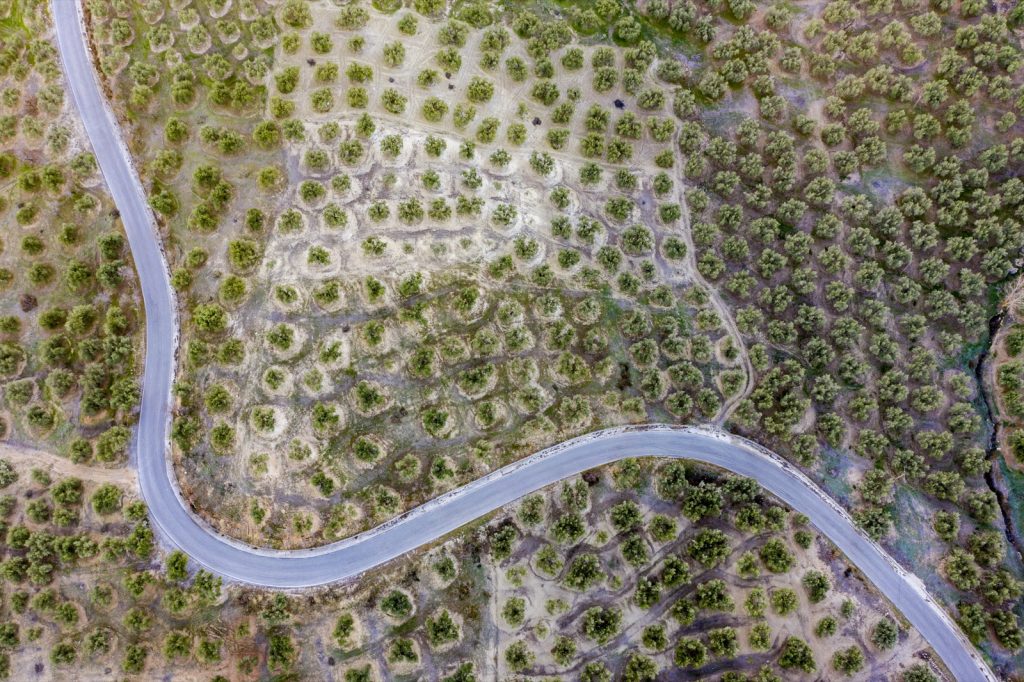
Jaén’s three main farm unions, ASAJA, COAG and UPA, have joined forces for the first time in about twelve years and called a general stoppage of the province’s farms on November 20, because olive oil at origin is again selling for about 2.10 euros a kilo, below the 2.20 euros growers say they need to break even. They are also urging members to join a nationwide farmers’ march in Madrid the next day. This note covers the numbers, the argument behind the protest, and why dry weather is making it worse.
What happened
The union leaders gave a joint press conference in Jaén on Monday, November 9. According to the Jaén daily Ideal, it was the first time the three organizations had spoken with one voice since the mass protests over the reform of the European olive oil regime some twelve years ago. Their message was simple: enough.
The stoppage on November 20 already has the backing of the cooperatives, which matters in a province where most growers sell through their village co-op. The timing is pointed. The harvest has come early this year, the hostels for seasonal pickers open on the 16th, and by the 20th crews will be working in most groves. The unions plan gatherings and tractors in town squares so that, in their words, everyone understands how serious things are. On November 21, farm organizations from across Spain are calling a march in Madrid over the crisis in agriculture as a whole.
| Figure (as reported by Ideal) | Value |
|---|---|
| Average price at which last season’s oil was settled | 1.87 euros per kilo |
| Price at origin now | About 2.10 euros per kilo |
| Break-even price cited by growers | 2.20 euros per kilo |
| Families in Jaén living from olive oil | About 108,000 |
| Start of the new oil campaign | December 1 |
Why it matters
This is the second losing season in a row, and few farms have the reserves for a third. The real argument, which Ideal lays out well, is whether this is one more swing of the market or a new normal in which the juice of the olive is worth less than two euros for good. ASAJA leans toward a structural fall in value. COAG puts more of the blame on this autumn’s official harvest forecast, which it thinks talked prices down. If the pessimists are right, most of Jaén’s traditional groves, many of them old, hilly and hand-managed, do not pay below 2.20 euros, and the province faces a painful restructuring.
The weather is not helping. After a dry, hot October, Málaga’s growers are still waiting for rain. Javier Ciézar, president of ASAJA Málaga, quoted by Infoagro on November 12, says that without it the fruit shrivels instead of filling out, and that the Manzanilla table-olive season has already been a disaster for lack of demand and price. He added the complaint you hear in every village bar this autumn: the consumer pays a price that never reaches the farmer.
None of this is new to readers who followed the Seville table-olive stoppage in September or the European private storage aid in the spring. What is new is that the growers of the biggest olive oil province in the world are now organized as one bloc.
What it means for buyers
For shoppers, low prices at origin mean cheap oil on the shelf this winter, and supermarkets will keep using olive oil as a price draw. The risk is further down the road: groves that stop paying get neglected or abandoned, and quality work in the mill costs money that nobody is paying for. The landscape that makes up Andalusia’s olive road depends on those small farms staying in business.
- Two seasons below cost are straining small growers and co-ops.
- Drought is now a second threat to the size of the crop.
- The open question is whether traditional groves can survive without restructuring.
A price of 2.10 euros a kilo at origin is roughly what a bottler pays for the oil in a one-liter bottle before glass, label, freight and the retailer’s margin. When you see extra virgin on promotion for not much more than that, someone in the chain is selling at a loss, and it is usually not the supermarket. Those promotions are part of why growers are marching.