Seville Table Olive Growers Down Tools Over Prices
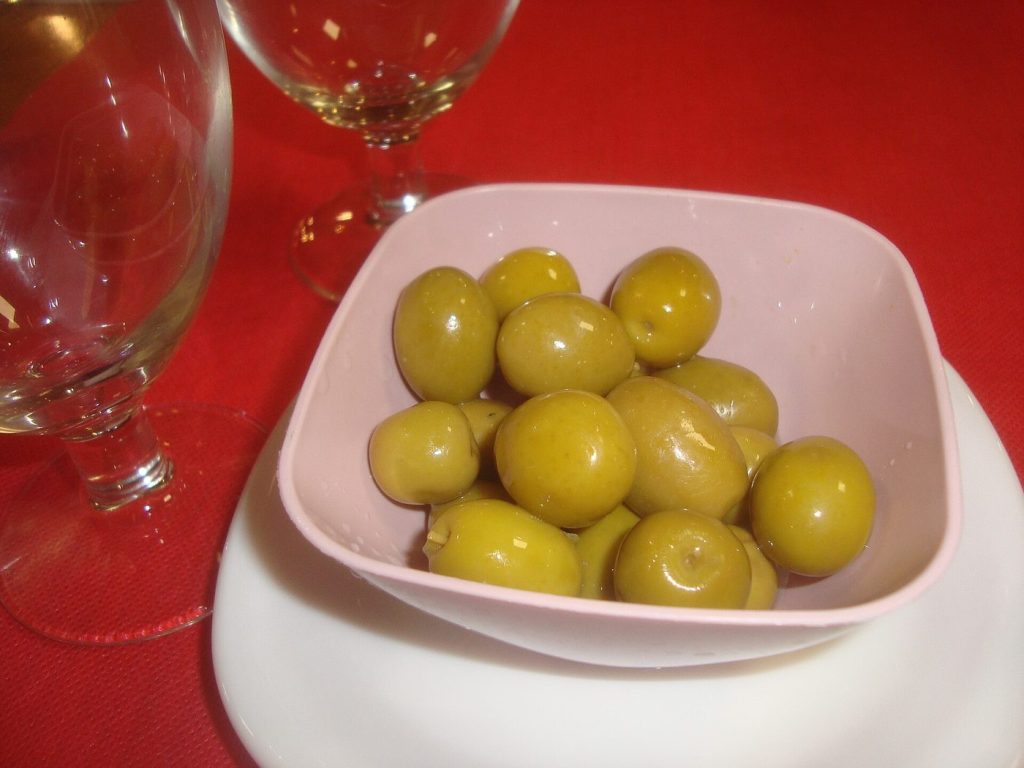
Table-olive growers across Seville province were called out today in a one-day stoppage, with cooperatives agreeing to shut their doors and send members to a rally outside the Casa Rosa, seat of the Andalusian government, because the price paid for green olives no longer covers the cost of growing and picking them. This note covers what the growers are asking for, the numbers behind the protest, and what it means for the olives in your jar.
What happened
The protest was called by the farm union ASAJA-Sevilla, and it has been building for weeks. On September 11 the union’s president, Ricardo Serra, told a press conference that the table-olive sector was in a critical state and asked the regional government for urgent help. He said many holdings had already been abandoned or were running at a loss, and he criticized the regional president, José Antonio Griñán, for kind words and no meeting.
In the days before today’s action, growers met in assemblies at their cooperatives. Practically every cooperative in the Aljarafe, La Campiña, Los Alcores and the Estepa district, and across the roughly 80 table-olive towns of the province, voted to close for the day and join the rally, timed to coincide with the weekly meeting of the Andalusian cabinet. ASAJA has said more protests will follow over the coming months.
The numbers behind the anger
The sums are simple and ugly. According to ASAJA-Sevilla, it now costs about 0.63 euros to grow and pick a kilo of green table olives, while growers were paid about 0.54 euros a kilo last season. That puts costs roughly 16.6 percent above the price.
| Figure (ASAJA-Sevilla) | Value |
|---|---|
| Cost to grow and pick green olives | About 0.63 euros per kilo |
| Price paid at origin last season | About 0.54 euros per kilo |
| Cost per hectare, ten years ago vs 2008 | 900 euros vs 1,500 euros |
| Jobs in the province | About 45,000 |
| Annual output of the province | About 260,000 tonnes |
The union says costs have risen by as much as 70 percent while prices have barely moved in 15 years, sales have slowed, and many growers lack the cash to pay pickers before they themselves are paid. By its count the sector exports to 124 countries and adds around 300 million euros a year to the province’s economy. The weather has not helped: in early September only about 1 percent of the Gordal crop had been picked.
What the growers want
- Interest-free loans so growers, cooperatives and producer groups can pay for picking and storage.
- Tax and social-security relief for the table-olive harvest.
- A viability plan that pays to grub up groves that can no longer make money, as has been done for vines, citrus and apples.
- A storage scheme along the lines of the one that exists for olive oil.
- Public promotion campaigns like those already funded for olive oil.
The storage point is telling. Oil producers got European private storage aid this year when prices collapsed. Table olives have no such safety net, and the growers want one.
What it means for buyers
Seville is the heartland of the Spanish green olive: the Manzanilla and the big Gordal that end up stuffed, pitted or cracked on bar counters around the world. The grower’s share is a small slice of what a jar costs, because most of the shelf price pays for curing, pitting, packing, glass and freight. If you want to know how much work goes in before an olive is even edible, our guide to table olive production and processing walks through it.
The contrast with California is sharp. Two years ago, Californian table olive growers got record prices as acreage shrank. In Seville the acreage is there and the price is not.
Green table olives are mostly picked by hand, because a bruised olive shows every mark once it is cured and gets downgraded. That makes labor the grower’s biggest bill, and it is paid in September, months before the processor settles up. When a union talks about liquidity rather than price, that is what it means: the crop can be worth picking and still be impossible to pick.