Wagga Lab Tests Get Fake Extra Virgin Pulled in Australia
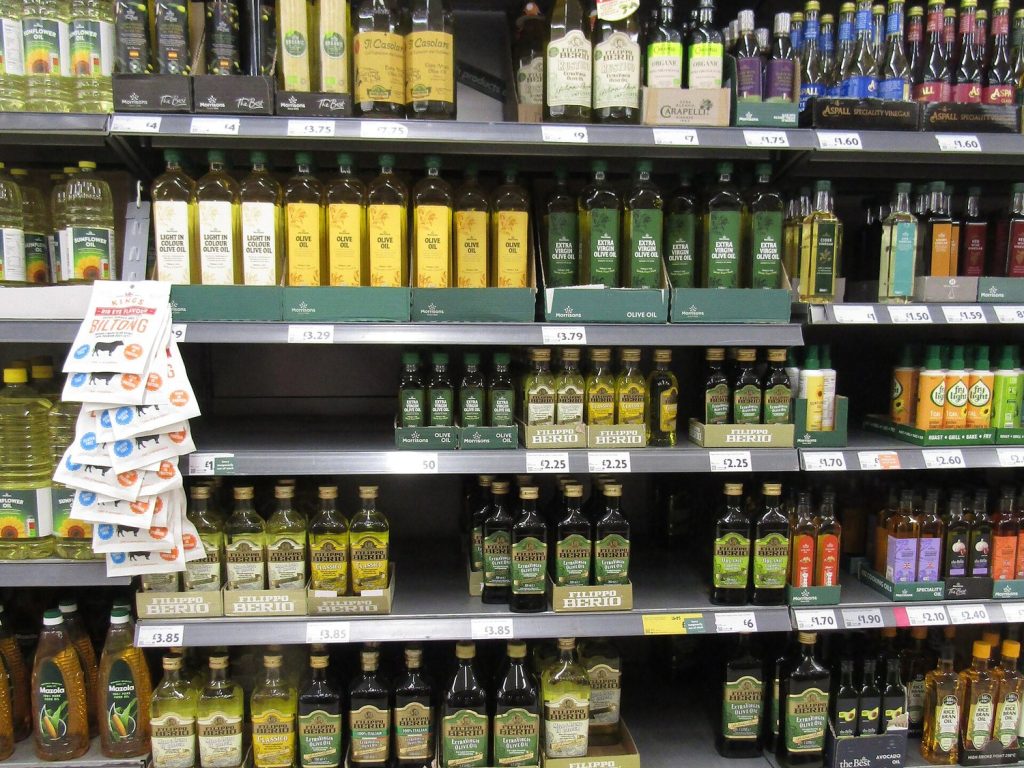
Tests by the Australian Oils Research Laboratory in Wagga Wagga have led to three olive oil brands being taken off Australian shelves, after the lab found that two imported products sold as olive oil contained canola and refined oil. The state scientists say it is the first time legal action has been taken in Australia over fraudulent olive oil marketing. This note covers what was found, what the companies agreed to, and what it means for anyone buying extra virgin.
What happened
ABC Rural reported today on the laboratory’s role in the case. The lab, run by Industry and Investment NSW, has been testing supermarket oils in partnership with the Australian Olive Association and the Australian Competition and Consumer Commission. Its principal research scientist, Dr Rod Mailer, said the ACCC saw some of the lab’s results, commissioned more tests, and then had three brands removed from sale. The companies involved must now have future batches tested by the lab before they can sell to supermarkets.
The regulatory side of the story broke on October 2, when the ACCC announced court-enforceable undertakings. Tests against the International Olive Council’s trade standard had found that three products labeled extra virgin were not extra virgin. The ACCC said they may have been refined, mixed with other oils such as canola or rapeseed, or simply of poor quality. The ACCC chairman, Graeme Samuel, put it plainly: consumers can pay a premium for this type of oil, and they should get what they pay for.
| Product named by the ACCC | Supplier | Where it was sold |
|---|---|---|
| Isabella Extra Virgin Olive Oil | IGA Distribution | IGA supermarkets |
| Paese Mio Organic Extra Virgin Olive Oil | Calcorp (Australia) | Coles |
| Aigeon 100% Extra Virgin Olive Oil | Basfoods (Aust) | Delis and restaurants |
Under the undertakings, Calcorp and Basfoods must for three years obtain certificates from their suppliers showing compliance with the IOC standard and verify them independently before distributing. IGA Distribution will require annual test reports from its suppliers, and Coles has agreed to the same for suppliers of its own-brand oils.
Why it matters
Australia has no mandatory olive oil standard, so the ACCC has to work through the general law against misleading and deceptive conduct. This site noted the watchdog’s interest in olive oil claims a year ago; this is what that interest turned into. Local growers welcomed it. When the undertakings were announced, David Carr of the Franklin River Olive Company in Western Australia told the ABC that tighter controls let premium local producers compete on a more even playing field.
Mailer was careful not to turn it into an attack on imports. The bad oils found so far were imported, he said, but that does not mean all imported oil is bad; the other problem is freshness, and some oil tested was quite old. He also said shoppers will soon see a sticker from the Australian Olive Association on oils that pass its code and have been pre-tested, and that the lab will keep buying samples off supermarket shelves. The industry’s long argument over who sets olive oil standards now has a practical edge.
What it means for buyers
- The words “extra virgin” on a label are a claim, not a guarantee, until someone tests the oil.
- Old oil is a bigger everyday problem than seed-oil fraud.
- Retailers now have to demand test reports, which should raise the floor for own-brand oils.
If you want to know what the lower grades are and why they get passed off as the top one, our guide to light, pure and pomace oils sets out the differences.
Canola in a bottle marked extra virgin is the kind of fraud that makes headlines, but it is rare because it is easy to catch. The quiet problem Mailer mentions, old or low-grade oil sold under the top label, is far more common and much harder to prosecute. A certificate from a supplier is only as good as the sample it was based on, which is why random shelf testing, the unglamorous part of this story, matters most.