California Chefs File Extra Virgin Olive Oil Lawsuit
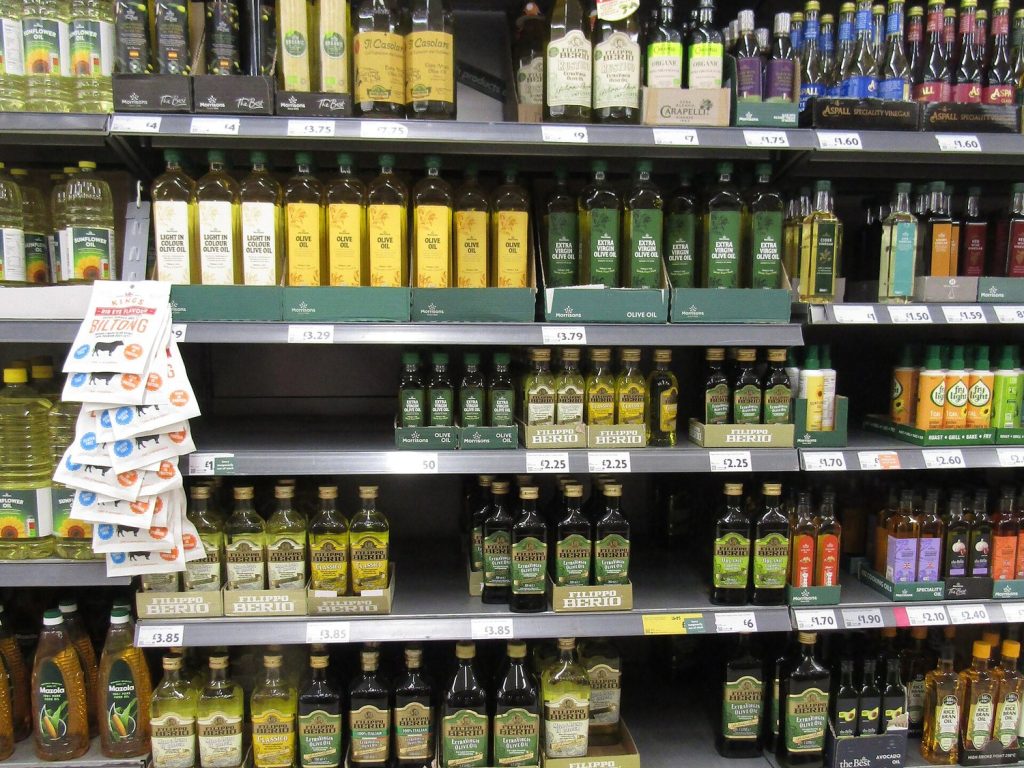
A group of California chefs, restaurant owners and home cooks, including former “Top Chef” contestant David Martin, has filed a lawsuit seeking class-action status against the sellers of ten well-known olive oil brands, claiming that oil sold as extra virgin does not meet the grade. The suit leans heavily on last month’s UC Davis Olive Center report on imported oils. Here is what it claims, who is named, and what it means for the bottle in your kitchen.
What happened
The complaint was filed this week in California Superior Court by the Santa Ana law firm Callahan & Blaine, with Daniel J. Callahan as lead counsel. It names ten brands: Bertolli, Filippo Berio, Carapelli, Star, Colavita, Mezzetta, Pompeian, Rachael Ray, Mazola and Safeway Select. It also targets the retailers and distributors that sell them, among them big supermarket chains and discount stores such as Safeway, Albertsons, Kroger, Target and Walmart, as well as the food distributor Sysco.
The plaintiffs accuse the defendants of fraud, false advertising and negligent misrepresentation. According to the complaint, American consumers spend some 700 million dollars a year on extra virgin olive oil, and substandard oil is being sold at nearly 80 percent more than it is worth. Besides the university’s results, the firm says it ran its own covert tests on oils bought in stores, and the complaint describes failed samples with “defective flavors such as rancid, fusty and musty.” The plaintiffs want an injunction, restitution of profits and punitive damages. Callahan has said a case with this many defendants could take two years to reach a courtroom.
The study behind the suit
In July the UC Davis Olive Center published tests of extra virgin olive oils bought at retail in California. It reported that 69 percent of the imported samples and 10 percent of the California samples failed to meet the international sensory standards for extra virgin. The center has been building its expertise since UC Davis launched its olive oil center in 2008, and California producers helped fund the work.
That last point is the one importers keep raising. The North American Olive Oil Association, which represents them, says its own testing found problems with only about 1 percent of imported samples. The International Olive Council has also weighed in, calling the sample of 52 bottles from 19 brands too small to be statistically significant and questioning some of the methods used. None of the claims in the lawsuit has been tested in court.
What it means for buyers
Whatever happens to the suit, the word “extra virgin” is now in front of American judges, and that changes the conversation. Until now a failed tasting was a matter for trade gossip. From here on it is potential evidence, and the brands named can be expected to look hard at their suppliers and their stock rotation. New USDA grade standards for olive oil are also due to take effect in October, which gives courts and state inspectors a federal reference to work from.
- A sensory defect such as rancid or fusty usually points to old oil, heat, light or tired fruit, not necessarily to seed oil in the bottle.
- The tasting panel’s verdict is the part lawyers will attack hardest, because it rests on trained human judgment.
- Retailers, not just brands, are named, which puts shelf life and storage in the spotlight.
If you want to understand what those panel terms mean, our explainer on fusty, musty, winey and rancid off-flavors sets out the chemistry behind each one.
Many supermarket “extra virgins” that fail a panel were never faked in a back room; they were made adequately and then sold too slowly. A bottle that sat in a warm warehouse and under shop lights for a year can drift out of grade on its own. Buy from shops that turn stock quickly, pick the freshest harvest date you can find, and choose a size you will finish within a couple of months of opening.
Sources
- Courthouse News Service, “Cooks Accuse Olive Oil Industry of Cheating on Extra Virgin Quality” (August 4, 2010)
- CBS News, “Chefs Sue Over Phony Marketing of Olive Oil” (August 5, 2010)
- Olive Oil Times, “Lawsuit Targets Olive Oil Brands Denounced in Davis Study” (August 4, 2010)
- Olive Oil Times, “IOC Weighs in on Davis Olive Oil Study” (July 27, 2010)