Olives in Provence: The Tree, the Oil and the Light
Provence without olive trees is unthinkable — the silver-grey groves are half its famous light. Here is the olive culture of the French south, from the AOC oils to the cracked olives of autumn, and why olives and lavender belong together.
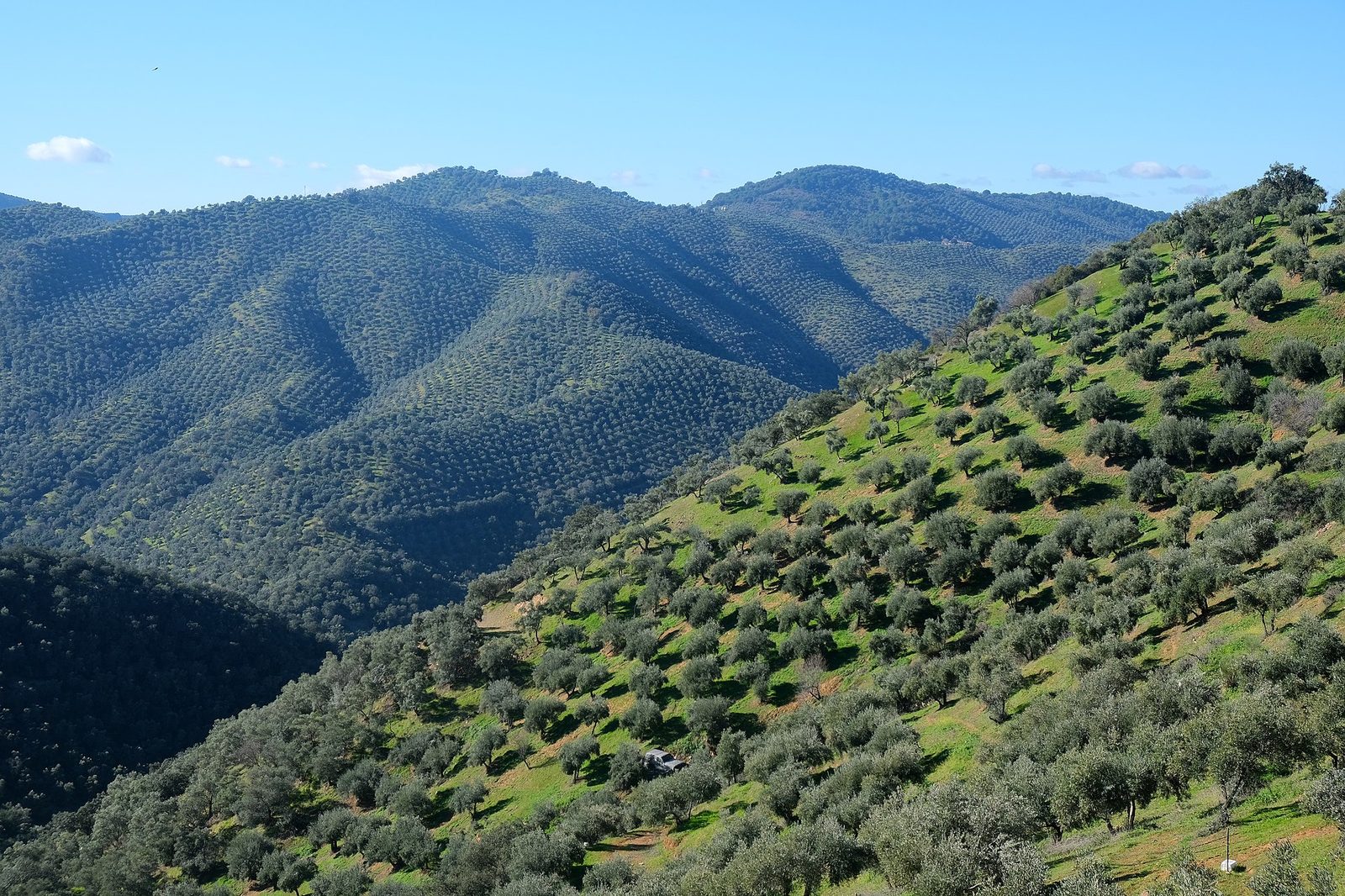
The olive is woven into the very look of Provence: those silvery, twisted trees against ochre earth and lavender are as much the region as the light the painters chased. And the olive here is taken seriously — small in volume, protected by appellation, and stubbornly traditional. France is a minor producer on the world stage, but what it makes it guards jealously, and Provence is where nearly all of it happens.
The oils
Provence makes little oil but wraps it in appellations — AOC oils from Aix-en-Provence, the Vallée des Baux, Haute-Provence and Nyons — built mostly on the Aglandau and its neighbours. The style is fresh and green: artichoke, almond, cut grass, a little pepper. A raw drizzle over a ripe tomato is the whole of a Provençal summer in a spoon. There is also, confusingly to outsiders, a second Provençal style — the goût à l’ancienne, a deliberately mellowed, olives-left-to-ferment oil that tastes nothing like the fresh green kind and is an acquired, very local taste.
The table olives, and the autumn ritual
Autumn brings the olives cassées — the cracked green Salonenque of the Baux, split and cured fresh with fennel, eaten young and barely bitter — and the soft black Grossane. Around Nice, the little Cailletier becomes the famous olive de Nice, tiny and brown and indispensable to a real salade niçoise. And Nyons gives its dry, wrinkled black olive — small, costly, a niche jewel, not a Kalamata stand-in whatever the supermarket implies.
Small is the whole point
Here is the honest truth a Provençal grower will tell you over a glass: this is not, and never will be, a place that competes on price or volume. The groves are small, often old, frequently on terraces no machine can reach; frost can wipe out a season, as the great freeze of 1956 did across the region. What Provence sells is identity and quality, not tonnage — and the AOC system exists precisely to protect that, because the moment you buy on price alone, cheaper oil from elsewhere in the Mediterranean can be poured into a French-looking bottle.
| Region | Provence & the far south of France |
|---|---|
| Signature variety | Aglandau (with Salonenque, Grossane, Cailletier, Tanche) |
| Protected oils | AOC Aix, Vallée des Baux, Haute-Provence, Nyons and more |
| Oil style | Fresh green: artichoke, almond, grass, light pepper |
| Table specialities | Olives cassées, olive de Nice, dry Nyons black |
| Harvest | November–January |
| Scale | Small & protected — quality over volume |
If you’ve wondered why this site pairs olives with lavender, Provence is the answer: the two grow side by side across the same hills, share the same dry, sunny, stony ground, and between them define the region’s landscape, scent and table. (More in the French olive rooms.) To understand Provence’s olives is really to understand a way of living lightly off a hard, beautiful land — which is the olive’s whole story, in miniature.
Buying & tasting Provence
- Look for a real AOC on the label (Baux, Aix, Nyons, Haute-Provence) — it is your guarantee of French fruit, not a French-flavoured import.
- Decide which style you want: bright fruité vert, or the mellow goût à l’ancienne — they are wildly different oils.
- Treat it as a finishing oil: raw over tomatoes, ratatouille, fish, or bread.
- For the table, try olives cassées in autumn and the tiny olive de Nice — and don’t expect Nyons to be cheap.
Olives in Provence: common questions
What is the main olive of Provence?
The Aglandau (also called Verdale de Carpentras or Beruguette) is the signature oil variety, alongside Salonenque, Grossane, Tanche and the Cailletier around Nice.
What does Provençal olive oil taste like?
The classic style is fresh and green — artichoke, almond, cut grass, a little pepper. There is also a mellow, fermented ‘goût à l’ancienne’ style that tastes completely different.
What are olives cassées?
Cracked green olives — typically Salonenque from the Baux — split and cured fresh, often with fennel, and eaten young while barely bitter. An autumn ritual.
Is Nyons olive a substitute for Kalamata?
No. The Nyons (Tanche) is a small, dry, wrinkled AOC black olive — costly and niche, a delicacy in its own right, not a cheaper Kalamata replacement.
Does France produce much olive oil?
No — France is a minor world producer. Provence makes small, protected, quality-driven quantities rather than competing on volume or price.
The one rule for buying Provence: chase the appellation, not the pretty Provençal-looking label. Because France makes so little and demand is high, a French-styled bottle is exactly where cheaper oil from elsewhere can quietly end up. A genuine AOC — Baux, Aix, Nyons, Haute-Provence — is your guarantee the fruit actually grew on those silver hills. And decide your style before you buy: the fresh green oil and the old-fashioned mellow one are so different that a first taste of the wrong one can put you off for life.
Drawn from French AOC olive-oil designations and Provençal growing tradition.