Andalusia Backs a Fix for Short-Lived Dressed Olives
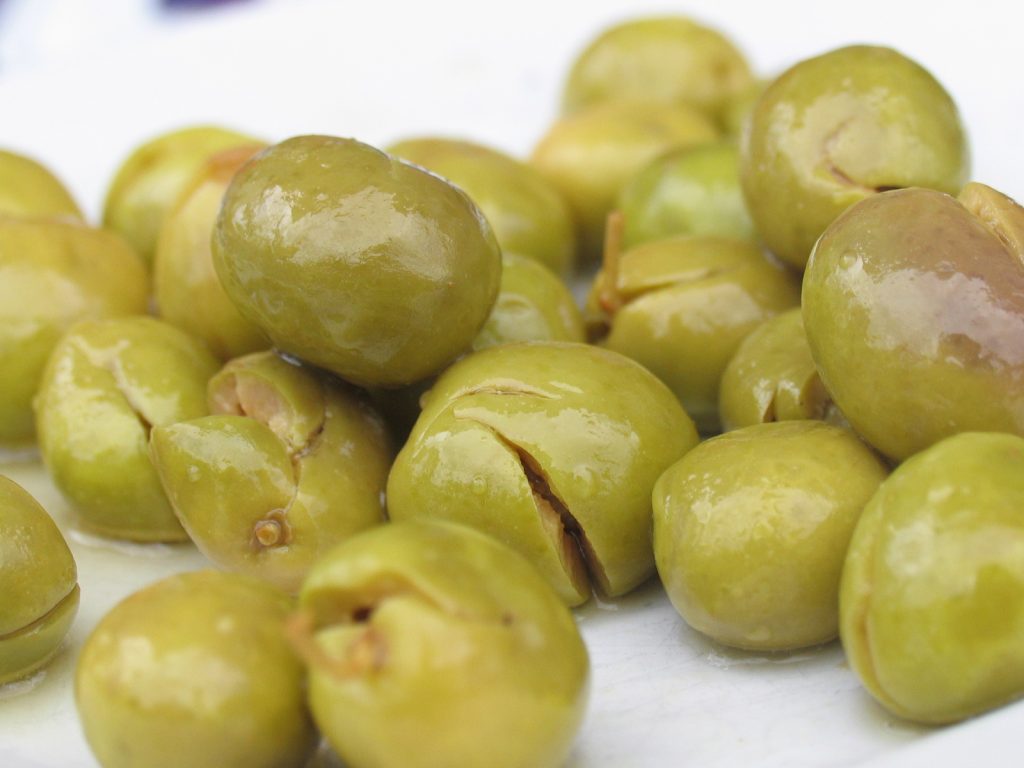
Andalusia’s agriculture department has started a one-year research project to give traditionally dressed table olives, the kind cracked and seasoned in each district and sold locally, a longer and more reliable shelf life, so that cooperatives can sell them beyond their own valley. This note covers what the project will do, why these olives spoil so fast, and what is at stake for the varieties that depend on them.
What happened
The work is being run by IFAPA, the region’s agricultural research and training institute, under an agreement with a Seville cooperative, Labradores de la Campiña, which is putting up the 12,000 euros of funding. The Fundación para la Promoción de la Aceituna de Mesa and the local rural development group for the Serranía Suroeste of Seville are taking part. The project is called, in plain Spanish, the development of stabilized preserves of dressed olives, and it runs for a year at the IFAPA center in Palma del Río, Córdoba.
The trigger is a commercial problem. The Aloreña olive of Málaga sells well, but it is made by traditional methods that are not standardized, and it has a short useful life. The same goes for other dressed olives prepared the old way across districts of Seville, Córdoba and Málaga, each with its own seasoning, and each sold mainly to bars and restaurants nearby. The researchers will test different ways of preparing, preserving and packing them, fix a formula for each product, run consumer sensory panels, and then set the physical and chemical parameters, seal integrity, acidity and the rest, that a packed preserve needs to be commercially stable under Spanish food rules.
Why dressed olives spoil
A dressed olive is a living thing. In the Aloreña style the fruit is cracked, brined and seasoned with garlic, thyme, fennel and pepper, and it keeps fermenting slowly in the jar. That is exactly what gives it its crunch and its bright, herbal flavor, and exactly why it does not travel. Heat it enough to kill the microbes and you get a softer, duller olive. Leave it alive and you get a product that changes week by week and can turn in warm weather.
| The project | Detail |
|---|---|
| Who | IFAPA with the cooperative Labradores de la Campiña |
| Where | IFAPA center, Palma del Río, Córdoba |
| Length and budget | One year, 12,000 euros from the cooperative |
| Aim | Stable packed dressed olives that keep their character |
For anyone who wants the background on how olives are cured in the first place, our guide to table olive production and processing sets out the main methods, and our field guide to Spanish olive varieties covers the fruit these districts use.
Why it matters now
Table olives have had a miserable couple of seasons in Andalusia. Growers in Seville shut their cooperatives and marched last autumn because the price of green olives no longer covered the cost of picking them, and the seasons since have been hard going. In that climate, a small local specialty that cannot be shipped is a wasted asset. If a cooperative can put its own dressed olives in a jar that survives a lorry ride and three months on a shelf, it gets a product nobody else can copy exactly, sold at its own price rather than at the commodity rate.
- A stable jar turns a bar snack into an exportable specialty.
- The risk is standardizing the character out of it.
- 12,000 euros is a modest sum, which tells you this is a first pass, not an industrial program.
When a traditional olive finally gets a long shelf life, something is usually taken out of it: a pasteurization step, a firming agent, a sharper acidity, or a seasoning that is added as an extract rather than as garlic and herbs in the barrel. None of that is dishonest, and much of it is necessary. But if you are buying dressed olives in the district where they are made, buy the short-lived ones from the barrel and eat them that week. They are not the same product as the jar that travels.