Palestinian Fair Trade Olive Oil Gets a California Boost
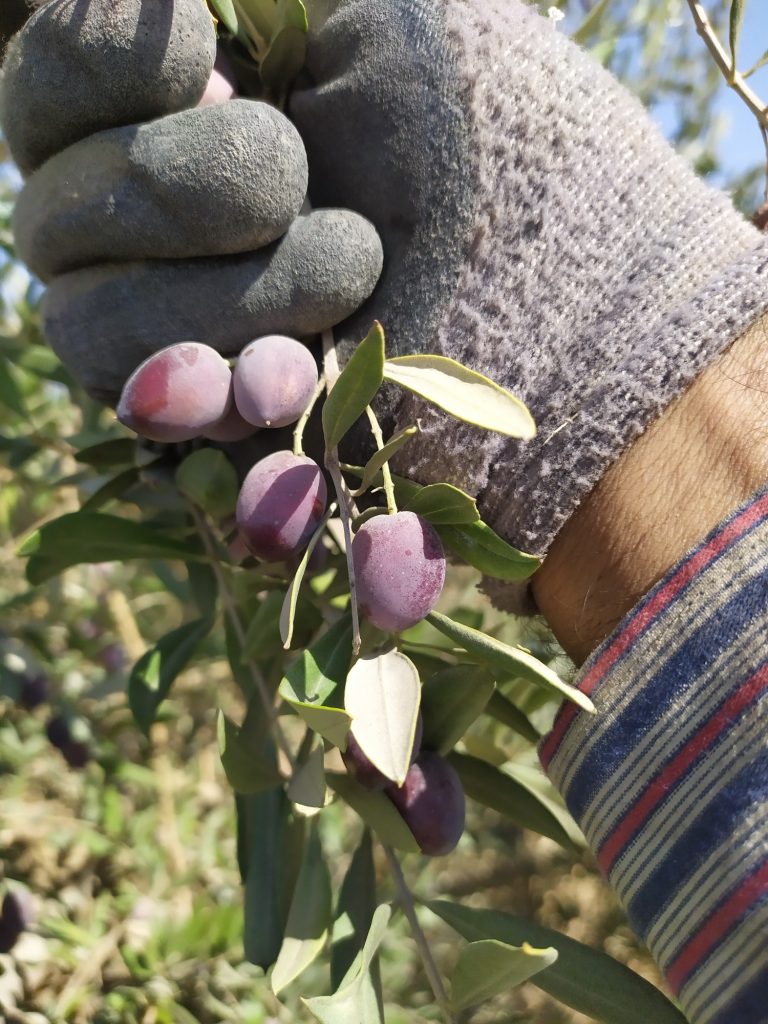
Nasser Abufarha, who founded the Palestine Fair Trade Association and the exporting company Canaan Fair Trade, spoke in Santa Cruz, California this week and collected a donation of 25,000 dollars for the association’s work with West Bank olive growers. It is a small sum by the standards of the olive oil trade and a large one by the standards of a Jenin hillside. Here is what the association does, why fair trade took root in Palestinian olive oil before anywhere else, and what the label is worth to a buyer.
What happened
Abufarha was in Santa Cruz to talk about fair trade organizations in Palestine and to accept the donation, his second collection trip to the town. The association he set up in 2004 wrote what it says was the first internationally recognized fair trade standard for olive oil, and has since brought fair trade and organic methods to thousands of farmers in the West Bank.
Canaan, the company that grew out of that work, is based at Burqin near Jenin and describes itself as finishing and marketing the products of networks of Palestinian growers, roughly 1,700 small farmers, for customers in Europe and North America. Its best known American customer is the soap maker Dr. Bronner’s, which buys organic Palestinian oil for its bars.
How the system works on the ground
The interesting part is not the certificate, it is the plumbing underneath it. Palestinian olive growing is made of tiny holdings, and a farmer with forty trees cannot run a mill, cannot hold stock and cannot deal with an importer. The association organizes those farmers into cooperatives, presses their fruit collectively in daily batches rather than letting it sit in sacks, and sells the result as one lot.
Pressing small lots quickly is the single biggest quality decision in olive oil anywhere in the world. Fruit that waits days in a pile ferments, and fermented fruit makes oil with a defect that no amount of good intention removes. Getting a village’s olives milled the day they are picked is what turns subsistence oil into export oil, and it is the practical reason this fair trade scheme produces oil that passes muster in Europe.
- Collective pressing in small daily batches, which keeps acidity down.
- Organic certification on groves that were mostly farmed without chemicals anyway.
- Scholarships for growers’ children and micro loans for women’s cooperatives, paid out of the trading premium.
- Support from outside bodies, including an International Monetary Fund backed scheme for packing and exporting, and European Union and Oxfam money to get producers to regional trade fairs.
What the label is worth
Fair trade olive oil sells at a premium in American and European health food shops, and the premium does reach the grower, which is more than can be said for most of the margins in this business. What it does not tell you is how the oil tastes. Fair trade is a trading standard, not a quality grade, and there are certified oils that are excellent and certified oils that are merely honest.
For Palestinian growers the harder problems are not solved by any label: getting to groves that sit behind checkpoints, moving crates at harvest time, and selling into a market where the same land produces two names and two stories. The association’s answer has been to sell the story and the oil together, which is why its founder spends January in California rather than at the mill.
A fair trade seal answers a question about money, not about flavor. If you are buying Palestinian oil, ask the same two questions you would ask of a Tuscan estate: when were the olives picked, and how long between picking and pressing. The good Palestinian cooperatives will tell you, because milling within the day is the thing they changed first. If the seller talks only about the cause, you are buying the cause.
Sources
- Olive Oil Times, Boost for Palestinian Fair Trade Olive Oil
- Canaan Fair Trade, About us (archived January 2011)