A Mining Billionaire Bets on Top-End Umbrian Olive Oil
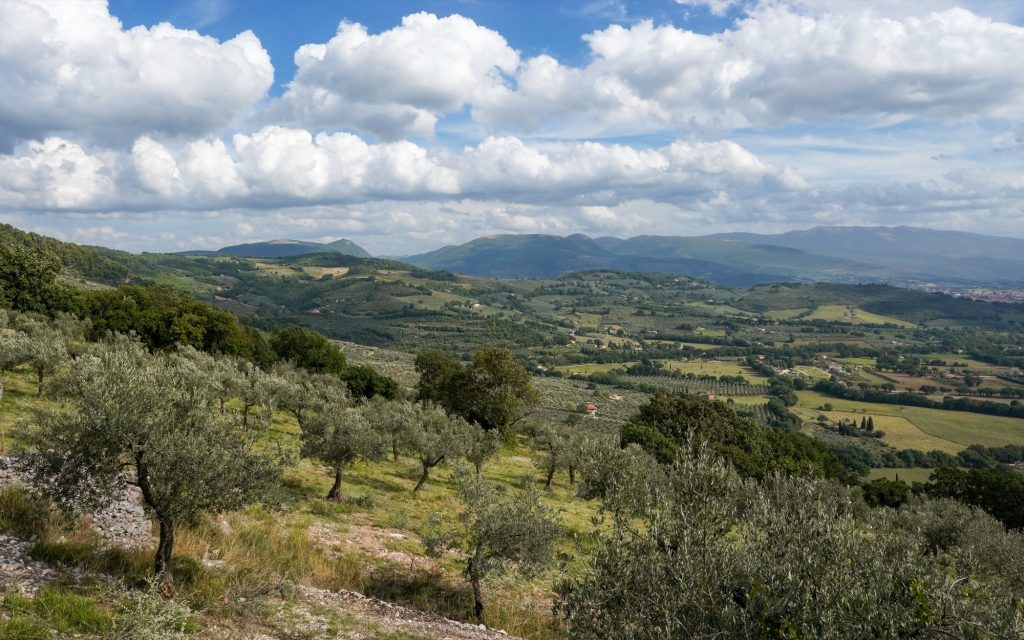
Frank Giustra, the Canadian mining financier who founded the Lionsgate film studio, has gone into olive oil, and he says openly that his Domenica Fiore estate near Orvieto will lose money for now. His bet is that the market for top-quality oil is growing faster than the supply of it. Here is what he is doing in Umbria, what it costs, and what an ordinary buyer can take from a billionaire’s olive grove.
How a financier ended up in Umbria
Giustra told Olive Oil Times this week that until a few years ago he knew nothing about olive oil and bought whatever was on the grocery shelf. That changed on a family visit to a friend’s villa in Orvieto, where he tasted oil pressed from her own trees. He took samples home to Canada and set up a blind tasting for food experts against expensive oils bought off store shelves. The Orvieto oil won easily.
He bought groves near Orvieto, in Umbria, and hired Cesare Bianchini as master producer to run the farm. The estate grows traditional central Italian varieties, Leccino, Moraiolo and Frantoio. In April, in only its second year of production, its Olio Reserva was named Best in Class at the first New York International Olive Oil Competition, and Olive Oil Times reports that it earned the highest score of the nearly 700 entries.
What the money buys
Giustra says he and Bianchini set out to “eliminate all the variables we could control”. Most of what they describe is simply best practice, done without compromise:
- Picking by hand, early, in October, when the olives are greener, lower in yield and higher in polyphenols and flavor.
- Pressing within four hours of harvest.
- Holding the oil in tanks sealed with nitrogen to keep oxygen out.
- Bottling in nitrogen-sealed stainless steel containers that shut out light and keep the temperature steady.
The estate also stresses its site: soil formed on an ancient seabed under layers of volcanic soil, and trees planted on a hillside that Giustra says sits above the level where olive fruit flies lay their eggs. That last claim is the estate’s own, and growers elsewhere would say the fly follows the weather as much as the altitude.
| Choice | What it does to quality | What it does to cost |
|---|---|---|
| Early October harvest | More bitterness, pungency and polyphenols | Much less oil per ton of fruit |
| Hand picking | Undamaged fruit | Labor is the biggest bill |
| Milling within hours | No fermentation defects | Small, frequent pressings |
| Nitrogen and steel | Slower oxidation, no light damage | Expensive packaging |
Why he expects to lose money
Giustra is frank about the numbers. The oil is extremely expensive to make, the groves are small, and there are no economies of scale. He is competing, he says, with large producers who “do not go to the same efforts and who blend with sub-par ingredients”, and the price gap between grocery oil and boutique oil is very big. He accepts short-term losses because he believes demand for quality oil is “exploding worldwide”, while the places that can grow it are limited. Those who make the very best oils, in his view, will find their market and be able to price accordingly.
He is not the first wealthy newcomer to try this. We once wrote about a pair of Microsoft millionaires air-freighting fresh Tuscan oil. The pattern is familiar: outside money arrives, spends on everything growers have always known works, and discovers that the market pays for it slowly.
Nothing on that list is a secret, and most of it is not even expensive per bottle. What it costs is volume. An early harvest can give a fraction of the oil the same trees would give a month later, and that is the real reason most oil is picked late. You do not need a billionaire’s estate to benefit: look for a harvest date, buy the new season’s oil, and store it away from light and heat. That captures most of what the nitrogen and steel are protecting.