Spain Moves to Stop Olive Oil Being Used as a Loss Leader
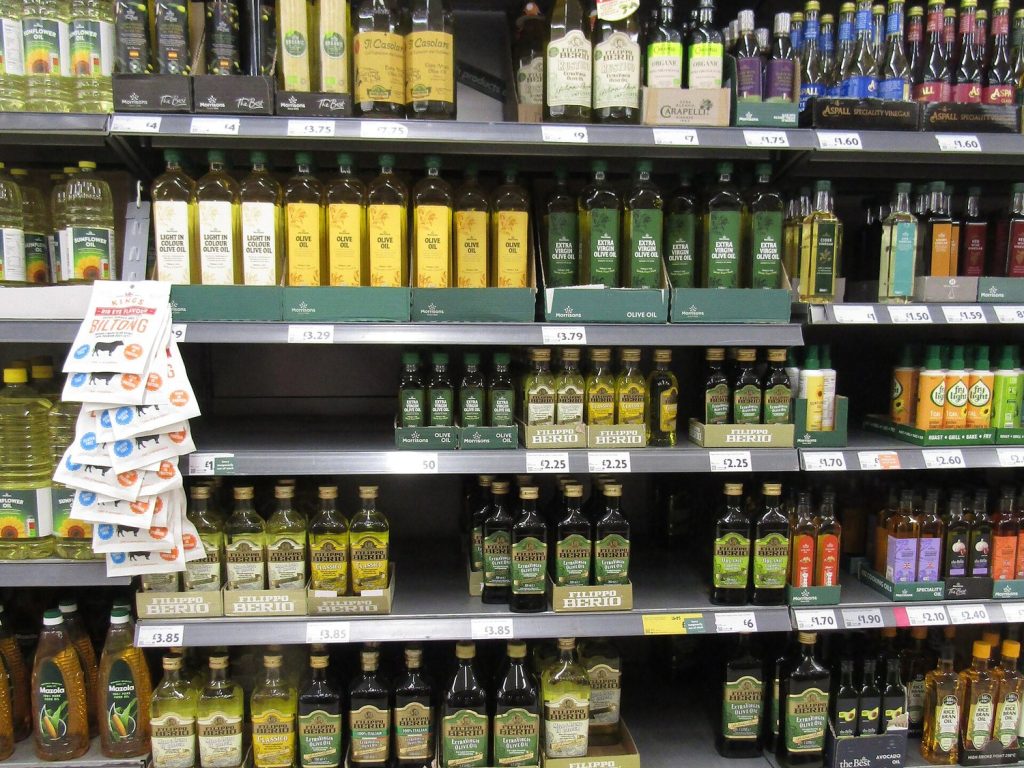
Spain’s agriculture ministry is working on a deal with supermarkets and the olive oil sector that could stop chains using olive oil as a loss leader, the cut-price bait that pulls shoppers into the store. It follows a similar agreement for milk signed last month. Here is what is on the table, why growers have pushed for it for years, and what it can and cannot do.
What happened
On February 21, Agriculture Minister Miguel Arias Cañete met the heads of the main olive oil trade bodies in Madrid: the cooperatives’ federation, the mill owners of Infaoliva, the packers and refiners of Anierac and the exporters of Asoliva. Afterwards Fernando Burgaz, who runs the food industry department at the ministry, told the Spanish agency EFE that officials had spent months working with the big retailers and with the olive oil interprofessional body on “a new framework of cooperation”.
According to Burgaz, the aim is to “improve quality control, promotional activities and consumer information”. Draft texts exist, and the ministry is waiting for both sides to approve them or send comments. The model is the dairy agreement reached on February 12, under which the main milk processors and distributors pledged to avoid practices that cheapen milk in shoppers’ eyes. Milk and olive oil have been the two favorite loss leaders in Spanish supermarkets in recent years.
Why growers want it
The balance of power is lopsided. Around six in ten Spaniards buy their olive oil in supermarket chains, and at least half the time they pick the store’s own brand. On one side of the table sit a handful of retail groups, on the other more than a thousand olive oil companies. For several seasons ex-mill prices sat at levels that farmers said did not cover their costs, and they blamed the retailers’ habit of advertising olive oil below cost for part of it.
This is not a new complaint. In 2009 the small farmers’ union UPA filed complaints in Andalusia, Extremadura and Castilla-La Mancha against Carrefour, Día, Lidl, El Corte Inglés and Eroski, accusing them of selling olive oil at a loss to attract customers. Spain’s competition authority closed the case in November 2009, finding no sign of a breach of competition law.
| Date | Step |
|---|---|
| 2009 | UPA complaints over below-cost olive oil; competition authority closes the file in November |
| February 12, 2013 | Dairy agreement against cheapening milk |
| February 21, 2013 | Minister meets olive oil sector; draft texts under discussion |
What a deal can and cannot do
Timing helps the growers. The drought has cut this season’s Spanish crop sharply, and ex-mill prices are about one euro higher than they were a year ago. Retailers find it harder to run deep discounts when the oil itself costs more.
But a voluntary agreement cannot set prices, and the 2009 ruling shows how hard it is to win the argument through competition law. Farm unions also say the milk deal has not yet changed much on the shelf. What an olive oil agreement could realistically deliver is commitments on quality checks, promotion and clearer information for shoppers, which is exactly the language the ministry is using.
When a chain sells olive oil at a loss, it rarely eats the whole loss itself. The squeeze travels back to the packer, who then shops for the cheapest oil that will still pass as extra virgin on the day it is bottled. That is how “extra virgin” on a deep promotion so often tastes flat. A price well under what the oil costs at the mill is not a gift. It is a signal to read the label and the harvest date twice.