The Silletti Plan and the Xylella Revolt
When an emergency plan ordered the felling of Xylella-infected olive trees in Puglia, plus the healthy trees around them, it lit a fuse. What followed — protests, a court suspension, and a criminal probe of the plan’s own authors — is the story of how an epidemic response can collapse under the weight of what it asks people to do.
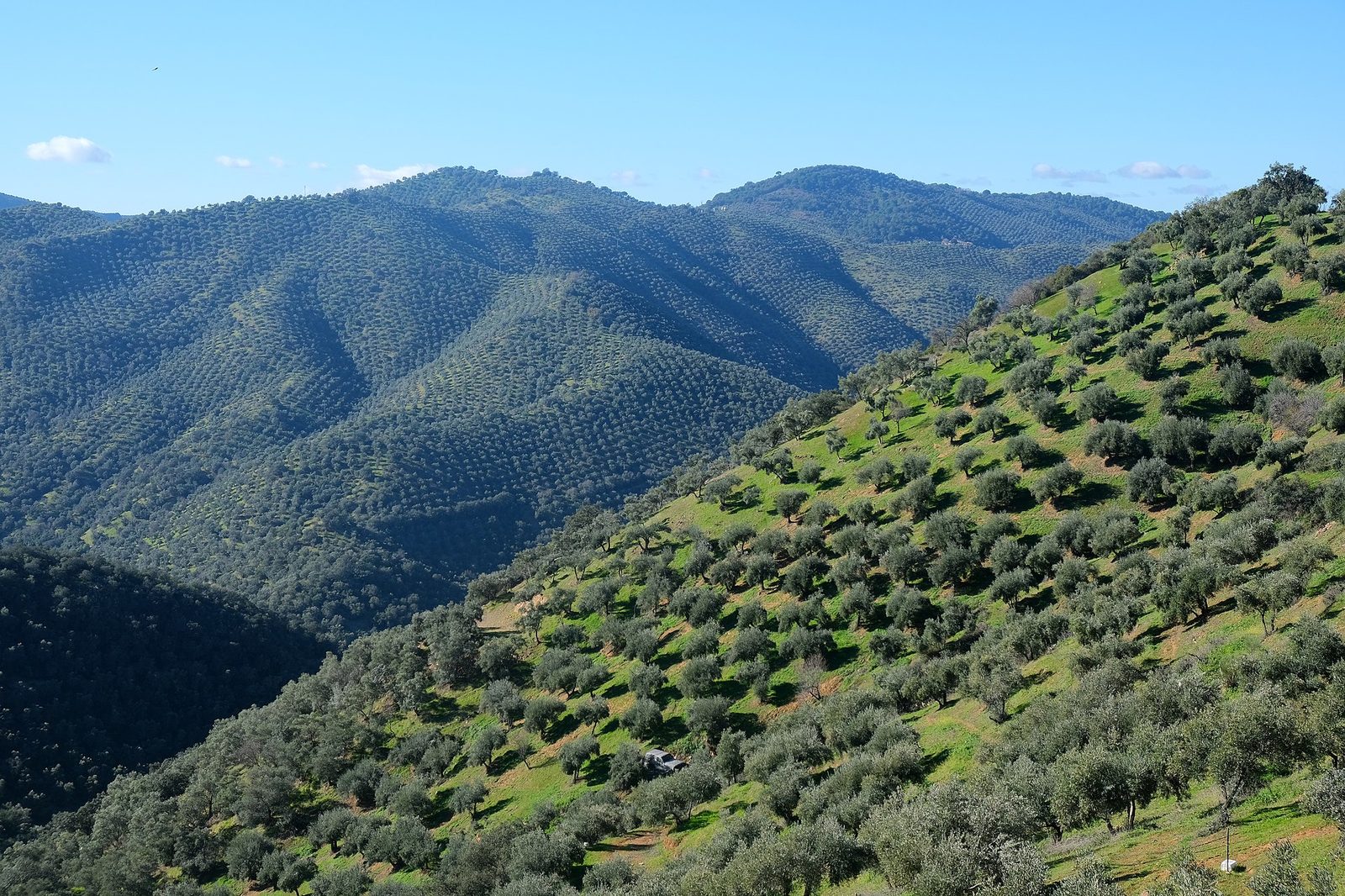
By the time the emergency plan landed, Xylella fastidiosa had already established itself in the Salento, the heel of Italy, and the pressure to act was intense. The plan was drastic: fell infected trees, and fell healthy ones in a band around each infection, backed by ploughing and pesticide use to knock down the insects that carry the bacterium. On epidemic logic it was defensible — you widen the firebreak to get ahead of a spread you cannot see. On the ground it was incendiary.
Science versus sentiment
The plan collided with everything the Salento’s olives mean. These are not disposable trees but ancient, monumental ones, and the idea of sawing down a healthy century-old olive to protect a neighbour struck growers as both unproven and unbearable. Environmentalists questioned the pesticide use and the science of the buffer. The result was sustained, furious opposition — a genuine revolt against a plan that asked people to destroy the living heritage of their own land on a probability.
The plan unravels
The opposition worked, in the narrow sense. A court suspended the plan, halting the felling while the evidence was examined. Then the story turned sharper still: investigators eventually placed a number of officials — including the plan’s own special commissioner — under investigation, examining how the emergency had been declared and managed. A plan meant to project decisive authority ended up mired in legal challenge and suspicion of its own architects.
The lesson that outlasts the plan
Here is the hard core of it. The delay that the revolt and the courts produced was not free: an epidemic is a race against time, and every month of contested inaction let the bacterium spread further, dooming far more trees in the end than the buffer would have taken. Yet the anger was not irrational — the plan demanded an extraordinary sacrifice on contested science and shaky trust. The real failure was upstream: too little groundwork, too little trust, too late. There were no good options here, only less-bad ones, and the fight over which was which cost Puglia dearly.
| The plan | Fell infected trees + a buffer of healthy ones; plough; spray |
|---|---|
| The rationale | Widen the firebreak to outpace an unseen spread |
| The objection | Destroying ancient healthy trees on unproven probability |
| The revolt | Sustained grower and environmentalist protest |
| The legal turn | Court suspension; officials later under investigation |
| The cost | Delay let the epidemic spread further |
What Puglia teaches other olive regions
- An epidemic plan needs public trust built in advance, not imposed in crisis.
- Delay is not neutral — contested inaction spreads the disease.
- Yet coercion without consent breeds the very resistance that causes delay.
- Invest early in detection and resistant nurseries, before the saw is the only tool left.
The Silletti plan and the Xylella revolt: common questions
What did the emergency plan order?
The felling of Xylella-infected olive trees plus a buffer of healthy trees around them, along with ploughing and pesticide use to suppress the insect vector.
Why did it provoke such opposition?
Because it required cutting down ancient, healthy monumental olives on the probability of infection — a sacrifice growers and environmentalists found unproven and unacceptable.
What happened to the plan?
A court suspended it while the evidence was examined, and investigators later placed a number of officials, including the special commissioner, under investigation.
Did stopping the plan help the trees?
It spared specific trees in the short term, but the delay let the bacterium spread further, ultimately threatening far more trees than the buffer would have removed.
What is the lesson for other regions?
Build public trust and detection systems before a crisis. Coercion without consent breeds resistance and delay, and delay is exactly what an epidemic exploits.
This is the Xylella tragedy in miniature. A plan built on defensible epidemic science asked ordinary people to saw down healthy trees their families had tended for a century, on a maybe — and unsurprisingly they refused, went to court, and won a pause. The pause felt like a victory and functioned like a defeat, because the bacterium doesn’t wait for a verdict. The blame isn’t really the growers’ or the scientists’; it’s the years of missing groundwork that left felling as the only tool in the box. Trust and resistant nurseries had to come first, and they didn’t.
Drawn from contemporary reporting on the Puglia Xylella eradication plan, the court suspension and the subsequent investigation of officials.