A Grower’s Map of Italy
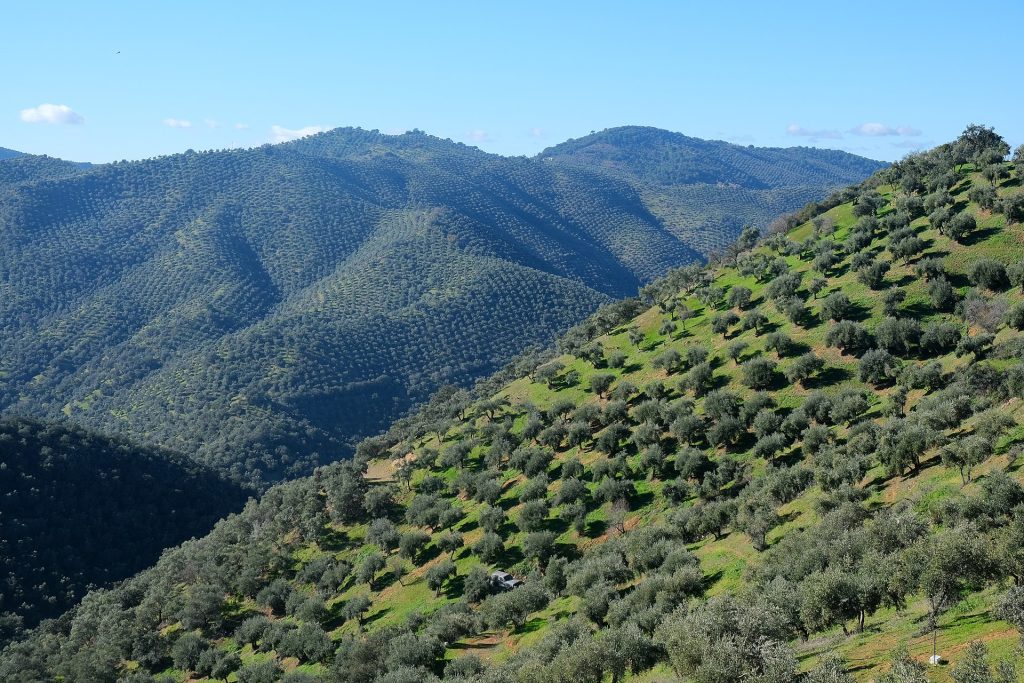
If Spain is a sea of a few great varieties, Italy is a mosaic of hundreds. Its glory — and its confusion — is diversity: nearly every region has its own native olives and its own style. Fragmentation is the whole story.
If Spain is a sea of a few great varieties, Italy is a mosaic of hundreds. Its glory — and its confusion — is diversity: nearly every region has its own native olives and its own style. Where Spain’s story is scale and a handful of dominant cultivars, Italy’s is fragmentation — thousands of small growers, hundreds of varieties, and a label landscape that rewards the curious and punishes the lazy. Here is the grower’s map, south to north.
South to north
Puglia, the heel, is the powerhouse — the country’s biggest producer, home of Coratina (intensely peppery) and Ogliarola. Sicily brings Nocellara, Biancolilla and Tonda Iblea. Calabria presses huge volumes, much of it traditionally for everyday oil. Tuscany is the classic blend — Frantoio, Moraiolo, Leccino. Liguria gives the gentle Taggiasca; Lake Garda the delicate Casaliva, the northernmost olive oil of all.
| Region | Signature variety | Style |
|---|---|---|
| Puglia | Coratina, Ogliarola | Intense, peppery, volume |
| Sicily | Nocellara, Tonda Iblea | Green, tomato-leaf, lively |
| Tuscany | Frantoio, Moraiolo, Leccino | Balanced, peppery, the classic |
| Liguria | Taggiasca | Gentle, sweet, soft |
| Lake Garda | Casaliva | Delicate; northernmost of all |
The bottler, too
Italy is also the world’s great blender and exporter — much “Italian” oil is imported and bottled there, not grown there. So “Italian oil” can mean a single-estate Tuscan treasure or an anonymous Mediterranean blend that merely passed through an Italian bottling line. The label that matters names a region and a variety, not just the flag. This double identity — grower and bottler at once — is exactly why “made in Italy” on an oil tells you far less than shoppers assume.
Why fragmentation is the real story
The non-obvious point about Italy is that its weakness and its glory are the same fact. Spain’s scale lets one province set a world price; Italy’s thousands of small growers can never do that, which is why Italy is often a net importer of oil despite its fame. But that same fragmentation is what gives you a Pugliese Coratina, a Ligurian Taggiasca and a Garda Casaliva that taste nothing like each other — a range no single-variety country can match. The lesson for the shelf is simple: in Italy, more than almost anywhere, the country name is the least useful word on the label. The region and the variety are everything.
- Bold dishes — a peppery Pugliese Coratina.
- Everyday cooking and dressing — a balanced Tuscan blend.
- Fish and delicate plates — a soft Ligurian Taggiasca.
- A curiosity — a Lake Garda Casaliva, the northernmost oil there is.
| Producer rank | World No.2 (behind Spain) |
|---|---|
| Varieties | Hundreds of natives, region by region |
| Powerhouse region | Puglia (the heel) |
| Northernmost oil | Lake Garda (Casaliva) |
| Second identity | Major importer, blender and bottler |
| Best label cues | Named region + named variety, not just “Italy” |
Italian olive oil: common questions
Which region produces the most olive oil in Italy?
Puglia, the heel, is the powerhouse and the country’s biggest producer, home of the intensely peppery Coratina and of Ogliarola.
Why are there so many Italian varieties?
Italy’s olive landscape is fragmented — thousands of small growers, nearly every region with its own native cultivars — which gives it hundreds of varieties and styles rather than a few dominant ones.
Does “made in Italy” mean the oil was grown in Italy?
Not necessarily. Italy is also the world’s great blender and bottler, so much “Italian” oil is imported and simply bottled there. Look for a region and a variety, not just the flag.
What is the northernmost Italian olive oil?
The delicate Casaliva from around Lake Garda — the northernmost olive oil produced anywhere.
How should I choose an Italian oil?
By region and variety: a peppery Pugliese Coratina for bold dishes, a balanced Tuscan blend for every day, a soft Ligurian Taggiasca for fish. The country name alone tells you the least.
Skip the generic “Italian extra virgin” and choose by region and variety: a peppery Pugliese Coratina for bold dishes, a balanced Tuscan blend for everyday, a soft Ligurian Taggiasca for fish. Remember that Italy is a great bottler as well as a great grower, so the flag alone can hide an anonymous import that merely passed through an Italian line. The country’s fragmentation is precisely what rewards a curious shopper more than almost any other origin — hundreds of varieties, dozens of real styles. Read the region and the grape, and Italy opens up; read only the flag, and you are guessing.
Part of the olives101 country guides.