Felling the Ancients: Xylella’s Brutal Choice
When a disease has no cure, the only containment is the axe. In Puglia, fighting Xylella meant felling infected trees — and controversially healthy ones around them — in groves where an olive can be a living link to a great-grandfather. The science and the heart pulled in opposite directions.
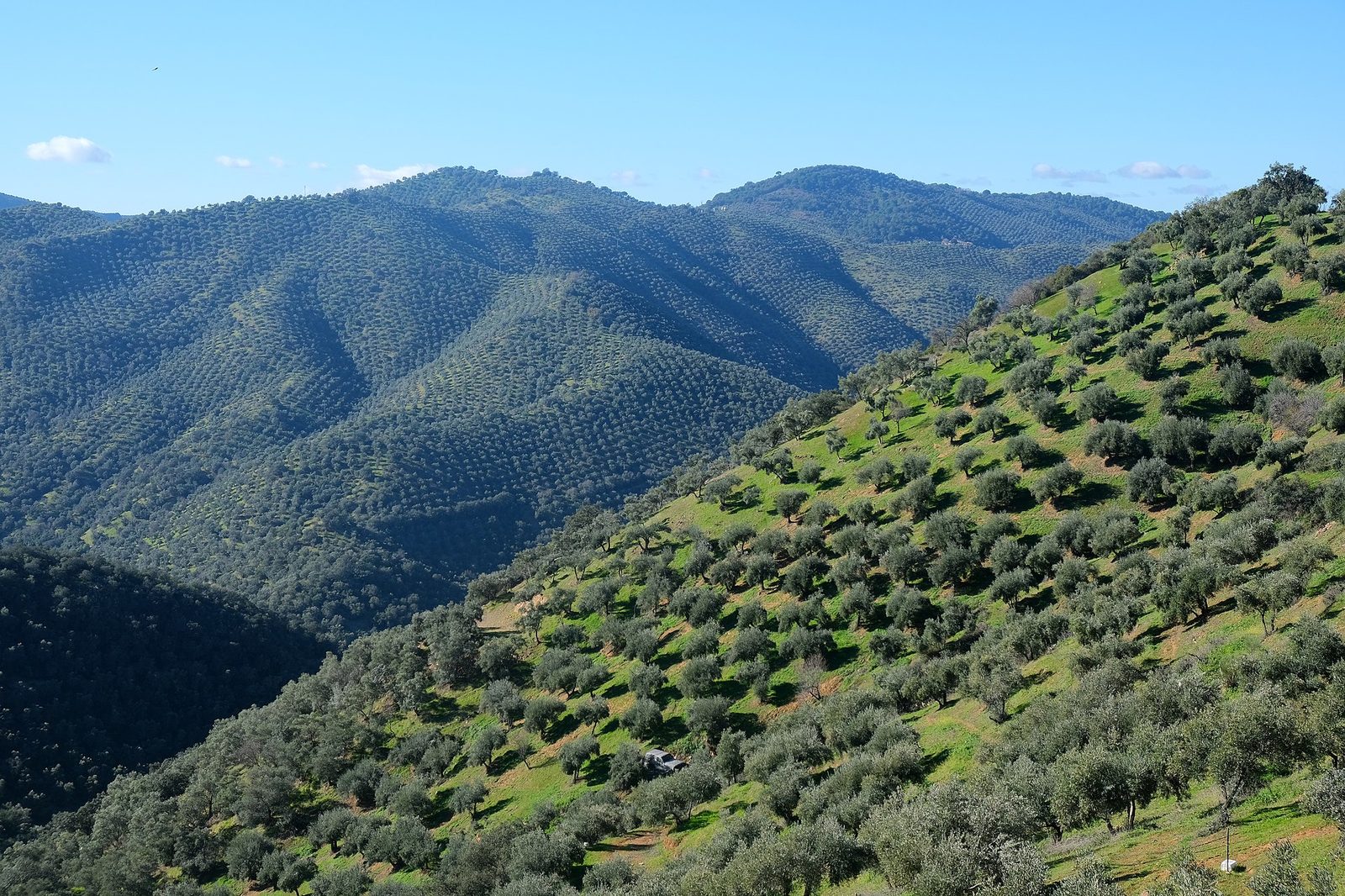
With no treatment able to save an infected tree, the only way to slow Xylella fastidiosa is to remove hosts before it can jump to them. So in Puglia authorities ordered the felling of infected trees and, more painfully, healthy ones around them to create buffer zones the bacterium could not cross. In a land where olive trees are family heritage, some of them many centuries old, the order landed like a sentence. The response was fierce: protests, blockades, legal challenges, people chaining themselves to trunks to stop the saws.
The impossible arithmetic
The dilemma was genuinely agonising, and it is worth stating both sides fairly. The scientific case was cold and clear: with no cure and an insect vector, you cut a firebreak of removed trees ahead of the disease or you lose the whole region. The human case was just as real: you cannot ask a family to fell, on a probability, a healthy tree their great-grandfather planted — a tree that may have shaded five generations. Both sides were right, which is what made it unbearable. There were no good options, only less-bad ones.
Why the delay mattered
The resistance, however understandable, had a cost. Court challenges and blockades slowed the removals, and while the arguments raged the bacterium kept moving north, tree to tree, at the pace its insect carriers allowed. This is the cruel logic of an incurable, vector-borne disease: hesitation is not neutral. Every season of delay is more ground lost. It is a lesson containment officers everywhere absorbed — and a warning about how hard these choices are to make in time, among people who love their trees.
Why it is more than an Italian story
Watch people fight to save individual ancient olive trees from the saw and you understand what these trees mean — not merely crops, but living monuments, links to ancestors and to place. It is also a grim rehearsal. A warming, more plague-prone world will force versions of this choice on growers far beyond Puglia. The olive’s greatest gift, its near-immortality, is exactly what makes felling one feel like a death rather than a harvest.
| Where | Salento, southern Puglia, Italy |
|---|---|
| Disease | Xylella fastidiosa — no cure |
| Containment | Fell infected trees + healthy buffer zones |
| The pain | Some felled trees were centuries old |
| The resistance | Protests, blockades, legal challenges |
| The cost of delay | The bacterium kept spreading north |
What this teaches about the olive
- An incurable, insect-borne disease turns hesitation into loss — delay has a price.
- Ancient olives are heritage, not just harvest; that is why felling them is so wrenching.
- Buffer-zone removal sacrifices healthy trees to save the region — agonising but sometimes necessary.
- A warming climate will bring more of these choices to growers everywhere.
Xylella and the felling of Puglia’s olives: common questions
Why fell healthy trees, not just sick ones?
Because the bacterium has no cure and spreads by insects. Removing a buffer of healthy trees ahead of the outbreak creates a firebreak the disease is less able to cross.
Were the felled trees really centuries old?
Many olives in Puglia are very old, some genuinely centuries old. That is why the eradication orders were so painful — they meant destroying living heritage, not just a crop.
Why did farmers resist so fiercely?
Because an ancient olive is a family and community treasure, not merely an asset. Felling a healthy tree on a probability, to protect the wider region, felt to many like an injustice.
Did the resistance make things worse?
The delays from protests and legal challenges gave the bacterium more time to spread north. With an incurable, vector-borne disease, hesitation carries a real cost.
Could this happen elsewhere?
Yes. Xylella and similar threats, aided by a warming climate, could force the same brutal containment choices on growers well beyond Puglia.
I have stood in old groves, and I understand exactly why people chained themselves to those trunks. An olive that has fed five generations is not a crop you write off on a spreadsheet; it is family. But I also know the cold truth of a disease with no cure and an insect to carry it: you cut ahead of it or you lose everything. Both sides were right, and that is what made Puglia so bitter to watch. The saddest part is that the very thing that makes an olive precious — that it can outlive us many times over — is what makes felling one feel like a killing.
Background from contemporary reporting on the Xylella eradication orders and farmer protests in Puglia (2015).