Xylella Reaches Spain
For years the olive world dreaded one question: what if Xylella escaped Italy? In 2016 it was answered. The incurable bacterium was confirmed in Spain — the country that makes close to half the world’s olive oil — and containment became a matter of global importance.
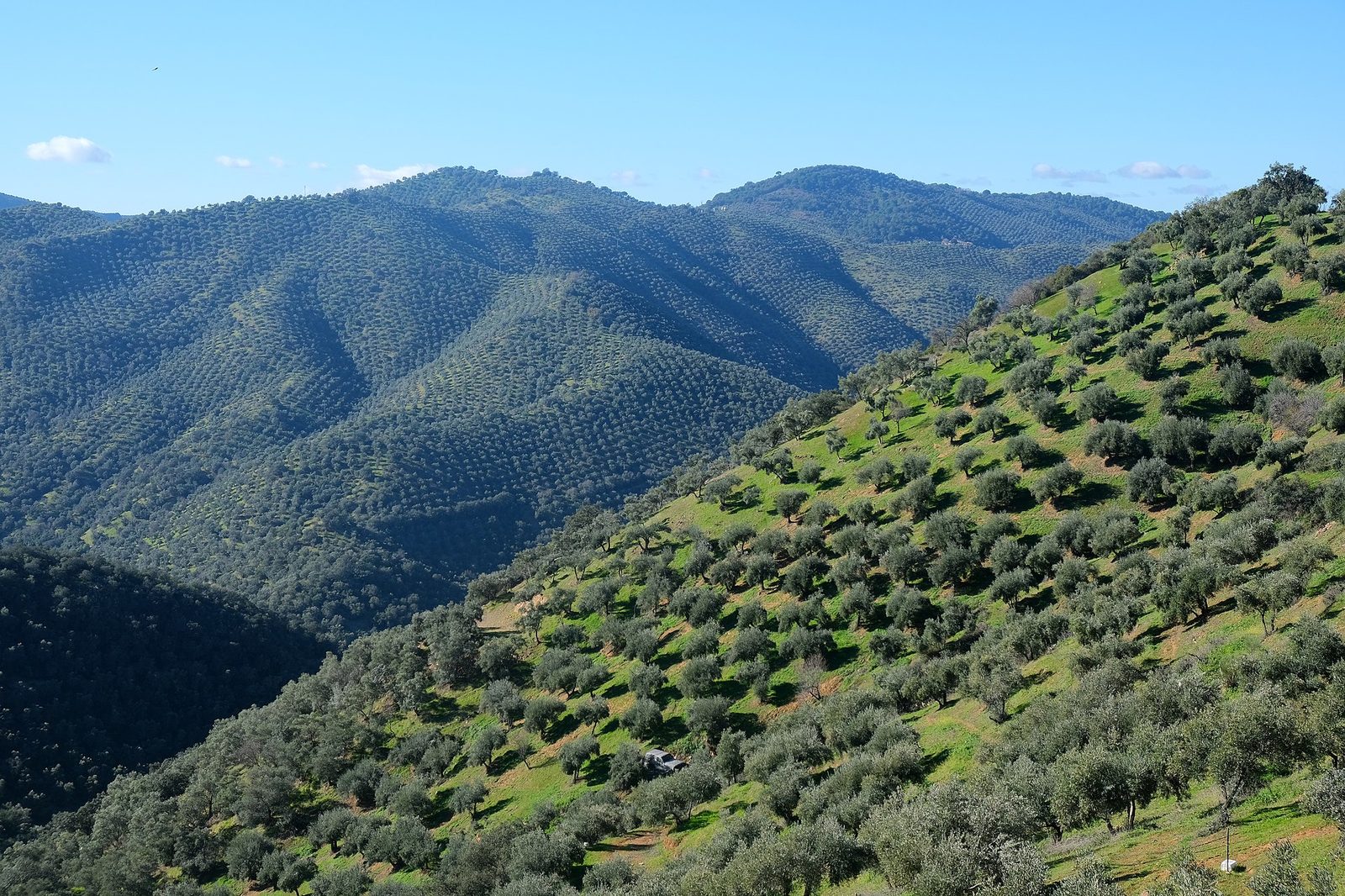
Xylella fastidiosa is the name that keeps olive people awake at night. It is a bacterium with no cure that had already devastated ancient groves in Puglia, in the heel of Italy. In 2016 it reached Spain, first in the Balearic Islands and later on the mainland. Because Spain grows so much of the world’s olive oil, the arithmetic was frightening — and it turned a regional Italian tragedy into a threat with global stakes.
What the bacterium does
Xylella lives in the plant’s water-carrying vessels — the xylem — and multiplies until it blocks them, so the tree effectively dies of thirst from the inside. Leaves scorch and branches die back; there is no spray, no injection, no cure. It is carried tree to tree by sap-feeding insects such as spittlebugs, which makes it maddeningly hard to stop. And it is not fussy: it attacks olives, almonds, grapevines, cherries, oleander and hundreds of other plants, which is exactly why regulators treat it as an emergency.
Why Spain was the nightmare scenario
Puglia was a catastrophe, but Puglia is one region. Spain is the engine room of world olive oil, producing close to half the global supply. A Xylella epidemic taking hold across Andalusia the way it did across Salento could threaten a huge slice of everyone’s oil — the shortages and price shocks would be felt in every kitchen on earth. That is why the 2016 detections were reported far beyond the farming press, and why Spanish containment mattered to people who had never heard the word ‘Xylella’.
The slow-motion threat still with us
The relief is that Xylella did not explode across Spain the way it did in Puglia. Aggressive monitoring, host-plant restrictions and the grim removal of infected trees have, so far, kept it contained — though one strain went on to cause serious damage in almond orchards near Alicante. But it never left, and there is still no cure. This is the quietest and potentially gravest danger in the whole olive story: not a bad year, but the possible loss of whole regions of trees, including the ancient ones that cannot be replaced.
| Pathogen | Xylella fastidiosa (a bacterium) |
|---|---|
| What it does | Blocks the xylem; the tree dies of thirst |
| Spread by | Sap-feeding insects (e.g. spittlebugs) |
| Cure | None — control is the only option |
| Reached Spain | 2016, first in the Balearic Islands |
| Wider hosts | Almond, grapevine, cherry, oleander and more |
What this means in practice
- There is no cure — the only defence is monitoring, quarantine and removing infected trees.
- The disease is insect-spread, so controlling vectors and plant movement is central.
- It threatens far more than olives, which is why the EU treats it as a plant-health emergency.
- The gravest loss would be the ancient trees — centuries of growth that no replanting can restore.
Xylella and the olive: common questions
What is Xylella fastidiosa?
A bacterium that blocks a plant’s water-carrying vessels, causing it to die of thirst. It has no cure and attacks olives, almonds, grapevines and many other plants.
When did it reach Spain?
It was confirmed in Spain’s Balearic Islands in 2016 and later on the mainland, having already devastated groves in Puglia, Italy.
Why was Spain’s case so alarming?
Spain produces close to half the world’s olive oil, so an epidemic there could threaten global supply — a regional problem became a worldwide risk.
Is there a cure?
No. There is still no cure. Containment relies on monitoring, restricting host plants and removing infected trees.
Has it been contained in Spain?
So far, largely yes — unlike Puglia it did not explode — but it has not been eradicated, and the risk remains.
Most threats to the olive are loud and temporary — a frost, a drought, a bad price. Xylella is neither. It is quiet, it is permanent where it takes hold, and it has no cure. That is what makes it the gravest thing in the whole olive world. The 2016 arrival in Spain was the moment the danger came to the doorstep of the industry’s engine room. Spain has held the line so far, through monitoring and the heartbreaking felling of trees — but ‘held the line’ is not ‘beaten’. It never left, and there is still nothing that kills it.
Drawn from EU plant-health notifications and EFSA guidance on Xylella fastidiosa, and 2016 reporting on the Balearic and mainland Spanish detections.