Italy’s 2017 Harvest: Low Volume, High Quality
One of the olive’s cruellest tricks is that the weather which shrinks a harvest can also sharpen its quality. A hot, dry year yields less oil — but often cleaner, more vivid oil from the fruit that survives.
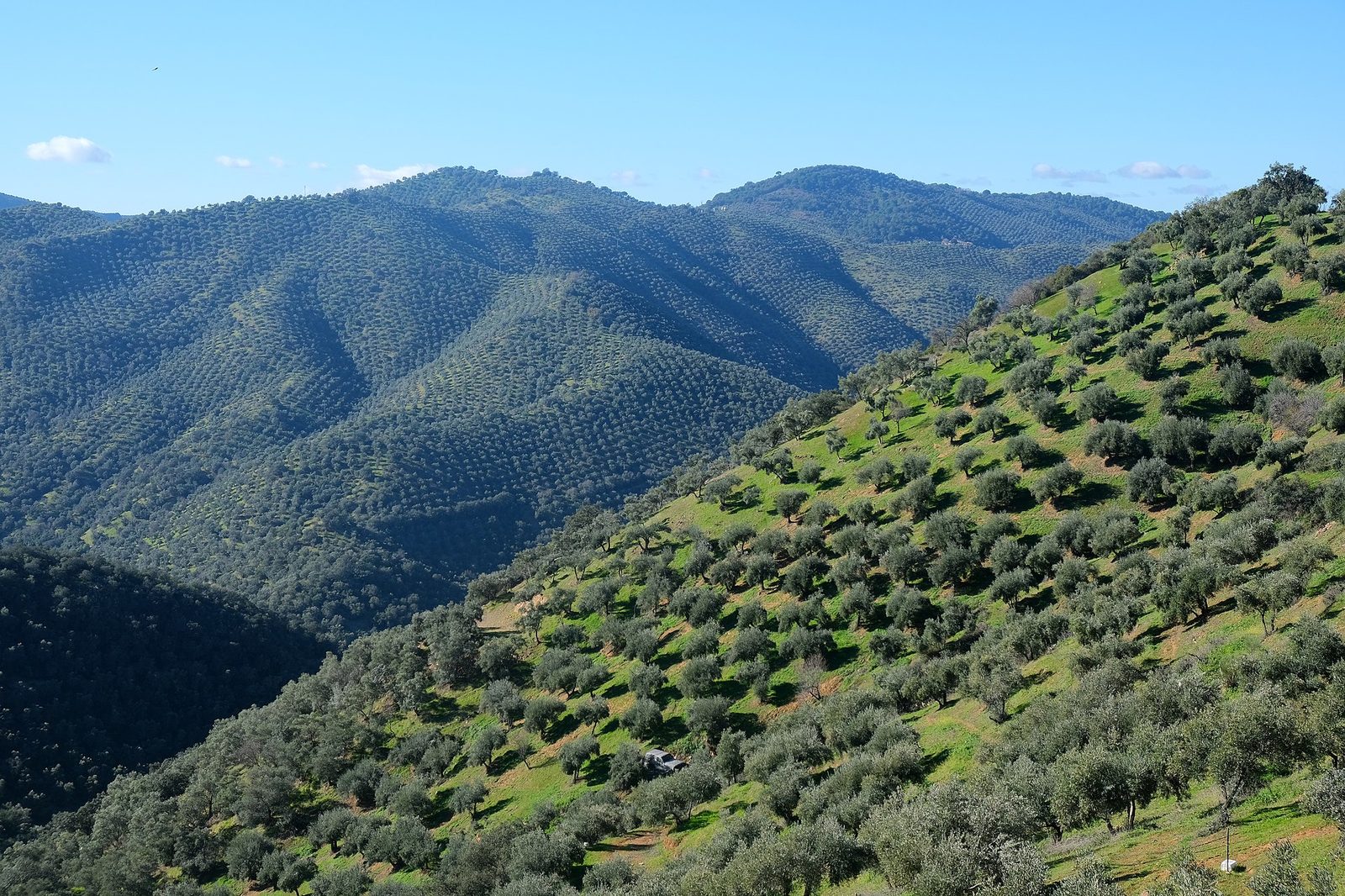
It is one of the oldest paradoxes in the oil trade, and 2017 in Italy is a textbook case of it. Forecasters warned volumes would fall far below average after a cold winter, spring frosts and a fierce summer drought — some regions facing drops of 40 to 50 percent. And yet the same brutal heat that cut the crop also suppressed the olive fruit fly, so what little oil there was promised to be excellent. Understanding why that happens tells you more about buying good oil than any harvest headline.
Why a dry year makes better oil
An olive is mostly water and oil. In a wet, generous season the fruit swells with water, the tree carries a heavy load, and the oil is diluted and diffuse. In a hot, dry year the tree sets less fruit and each olive holds less water — so proportionally more oil, and more of the aromatic and bitter compounds that give good extra virgin its character. Stress, within limits, concentrates the fruit. The grower gets fewer litres; the drinker gets a denser, more expressive oil.
The fly that heat kills
The olive fruit fly (Bactrocera oleae) is the single worst enemy of oil quality. Its larvae tunnel through the flesh, and the damage lets in rot and raises the oil’s acidity and off-flavours — the difference between crisp extra virgin and a defective, lampante mess. The fly loves warm, humid weather and mild winters. A hot, dry summer bakes it into retreat. So a drought that halves the crop can, at the same time, hand the surviving fruit a rare clean run to the mill.
| Season type | Volume | Typical oil quality |
|---|---|---|
| Wet & mild | High | Diluted, softer; more fly risk |
| Hot & dry | Low | Concentrated, vivid; less fly damage |
| Cold with frost | Low | Variable; frost-nipped fruit hurts oil |
| Humid harvest | Variable | Higher rot and fly risk at the worst moment |
Small comfort for the grower
None of this helps a farmer paid by the tonne. A grower cannot eat quality; a half-crop is a half-income whatever the tasting notes say, and the extra care a stressed grove needs costs money the light harvest will not repay. This is the quiet injustice of the ‘great vintage’ year: the person who made the fine oil possible often loses on it, while the buyer downstream gets a bargain in flavour. It is worth remembering whose bad year your good bottle came from.
- A short-crop year can be a great year to buy — if you can find the oil and afford the higher price per litre.
- Judge oil by taste and harvest date, not by whether it was a big or small year.
- ‘Low yield’ is not a marketing gimmick; concentration is real, but only in oil that was milled fresh and clean.
- Heat helps against the fly but hurts the tree — the same year can be good for the bottle and bad for the grove.
Low volume, high quality: common questions
Does a smaller olive harvest mean better oil?
Often, yes. Drought-stressed trees set less fruit but each olive is less watery and more concentrated in oil and flavour compounds — provided the fruit is milled fresh and clean.
Why does heat improve olive oil quality?
Mainly by suppressing the olive fruit fly, whose larval damage is the biggest single cause of defective oil. Heat and drought also concentrate the fruit.
What is the olive fruit fly?
Bactrocera oleae, a pest whose larvae tunnel through the olive flesh, raising acidity and off-flavours. It thrives in warm, humid conditions and mild winters.
If the oil is better, why do growers dread short years?
Because they are paid by volume. A half-crop is a half-income no matter how fine the oil, and a stressed grove costs more to tend.
Should I buy oil from a low-yield year?
It can be a very good buy for flavour, but expect to pay more per litre, and still check the harvest date and taste — a small year does not rescue carelessly made oil.
This is the cruel arithmetic of the olive: the conditions that shrink a harvest often sharpen it. A hot, dry, fly-free year gives less oil — but cleaner, more vivid oil from the fruit that survives. Small comfort for a grower paid by the tonne, but real for anyone buying a bottle that year. My advice: when you hear ‘short crop’, don’t assume bad oil — assume dear oil, and taste before you judge.
An evergreen explainer on the yield-versus-quality trade-off, drawn from the 2017 Italian harvest.