A Puglia Court Halts the Xylella Chainsaws
A regional court once suspended the felling of Xylella-infected olive trees in Puglia after growers fought back. The pause was small; the conflict behind it was enormous — and it explains why one of the worst plant epidemics in European history spread as far as it did.
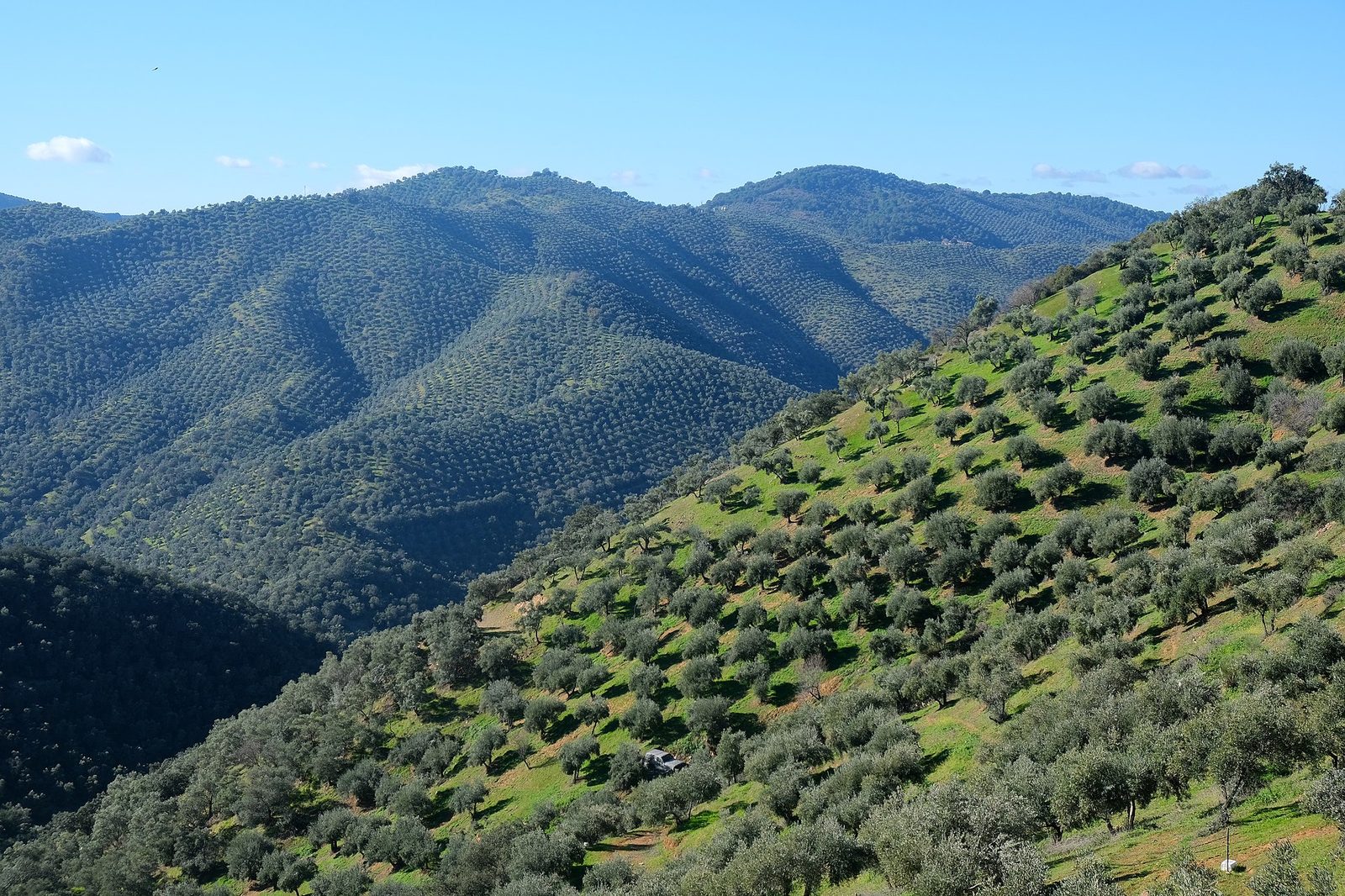
Xylella fastidiosa is a bacterium that clogs an olive tree’s water-carrying vessels until the canopy browns, dries and dies — a slow scorching that growers call ‘olive quick decline’. It was first confirmed in the Salento, the heel of Italy, and it has since killed or crippled a staggering number of trees, many of them centuries old. There is no cure. Control means containment: remove the infected, suppress the insect that spreads it, and hope to hold a line.
Why they reached for the saw
The insect vector is a common spittlebug, and it does not respect property lines. EU emergency rules therefore ordered the destruction of infected trees plus healthy ones within a radius around them — a firebreak logic borrowed from every epidemic response. On paper it is sound: you cannot negotiate with a bacterium, and a tree that looks fine today may already be carrying it. Felling the buffer is the brutal arithmetic of stopping spread before it becomes unstoppable.
Why growers fought back
The trouble is that these were not rows of commodity saplings. Many Salento olives are monumental — gnarled, hollow-trunked giants that predate the nation of Italy, planted by ancestors and woven into family and regional identity. Ordering a farmer to cut a healthy hundred-year-old tree on a maybe, to protect a neighbour, is not an agronomic decision to him; it is a bereavement. So growers went to court, and a judge granted a stay — protecting the trees while the science was argued.
The cost of the pause
Here is the hard, unwelcome lesson. Every stay, protest and legal challenge bought time for individual trees and, collectively, for the bacterium. Delay is oxygen to an epidemic: the longer eradication is contested, the wider the infected zone grows, and the more trees must eventually die. There were no clean options — only less-bad ones — and the agony of that choice, endlessly relitigated, is a large part of why Xylella marched north through Puglia rather than being halted at the heel.
| Pathogen | Xylella fastidiosa (subspecies pauca in Puglia) |
|---|---|
| What it does | Blocks water vessels; canopy dries and dies |
| First confirmed | Salento (heel of Puglia) |
| Spread by | Spittlebug insects (chiefly the meadow spittlebug) |
| EU response | Fell infected trees + buffer; suppress the vector |
| Cure | None — management and resistant replanting only |
What it means now
- Xylella is a containment fight, not a cure; early detection and vector control are everything.
- Resistant cultivars (notably Leccino and the FS-17 selection) are the long game for replanting Puglia.
- The disease is a warning for every olive region — Spain, Greece, California all watch for it.
- Delay is costly: the humane instinct to spare a tree can, at scale, doom the grove.
Xylella and Puglia’s olives: common questions
What is Xylella fastidiosa?
A bacterium that blocks the water-conducting vessels of olive trees, causing branches and then whole canopies to dry out and die. In Puglia the disease is known as olive quick decline syndrome.
Is there a cure?
No. There is no treatment that clears an infected tree. Management relies on removing infected trees, controlling the insects that spread it, and replanting with resistant varieties.
Why were healthy trees ordered felled too?
Because the disease can be present before symptoms show and is carried by insects. Removing a buffer of trees around infected ones is a firebreak intended to slow spread.
Why did a court halt the felling?
Growers challenged the destruction of ancient, healthy trees, and a court granted a temporary suspension while the evidence and the eradication plan were examined.
Did the delays make things worse?
Prolonged disputes slowed the response, and containment of an epidemic depends on speed. The longer eradication was contested, the further the bacterium spread.
This is the most painful story in olives, and there is no comfortable side to take. The science was right that you cut to save the region; the people were right that you cannot casually fell a living monument your great-grandfather planted. Both were true at once, and the collision between them slowed everything down while a bacterium that keeps no calendar kept spreading. If there is a lesson for other olive countries, it is to build the trust and the resistant nurseries before the disease arrives — because once it is in the ground, every good instinct pulls against every other.
Drawn from European plant-health regulations on Xylella fastidiosa and contemporary reporting on the Puglia eradication disputes.