Italy’s Catastrophic 2018 Harvest
One number captures how fragile even a great olive nation had become: in 2018 Italy produced barely 175,000 tonnes of oil, well under half a normal year. Frost, the fruit fly and a creeping plant disease did it — and the shortfall says a lot about what ‘Italian’ oil really is.
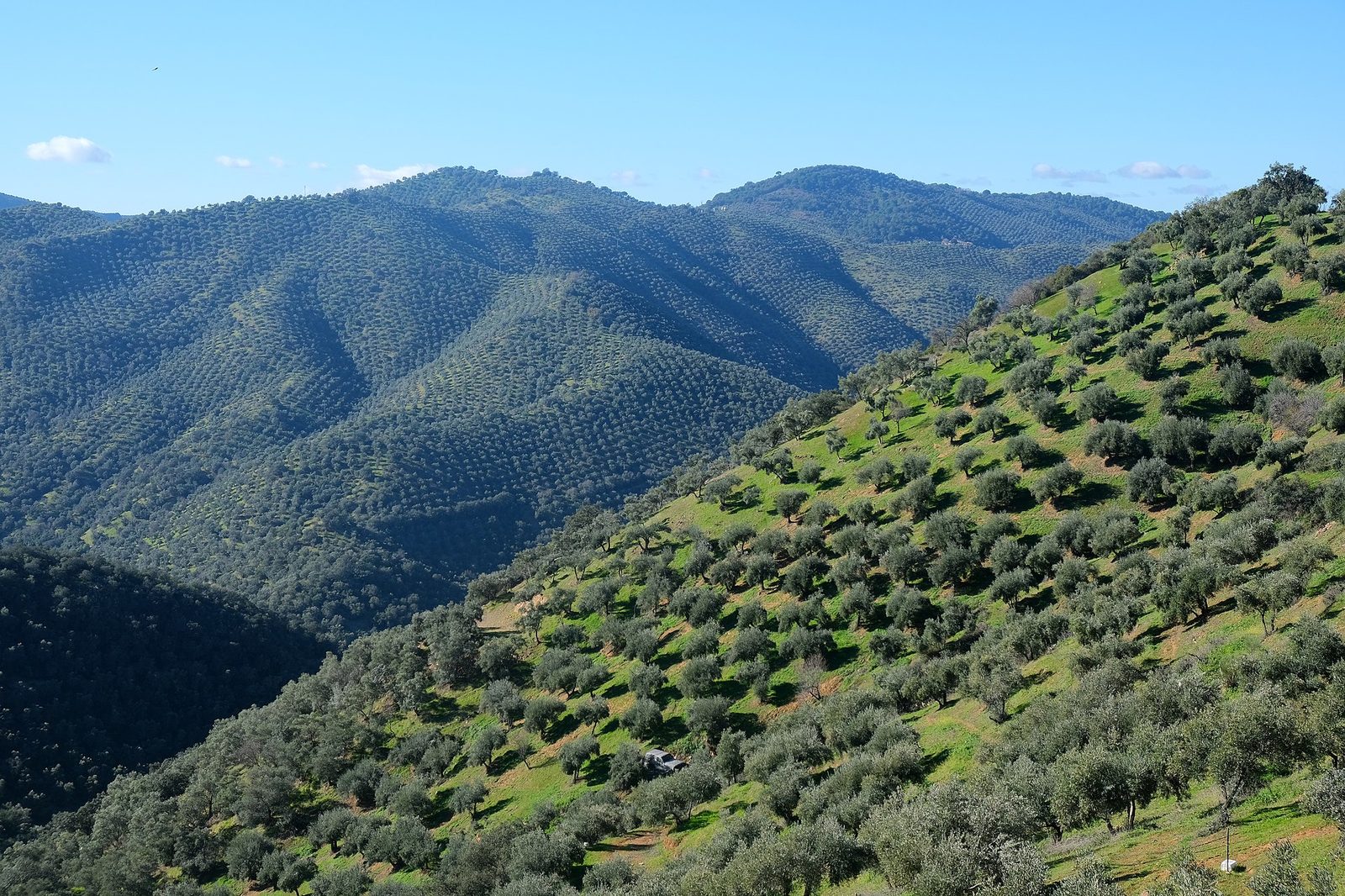
Italy’s 2018/19 olive-oil production collapsed to roughly 175,000 tonnes — well under half a normal year, and among the lowest figures on record. A vicious combination did it: a damaging late frost, the relentless olive fruit fly, and the ongoing march of Xylella in the south. This was rock-bottom in the years before the great droughts — proof that the Italian crop had become alarmingly fragile even then.
Three blows at once
No single villain caused 2018; three arrived together. A sharp late frost hit trees that had begun to wake for spring, damaging the coming crop. The olive fruit fly — whose larvae tunnel into the fruit and ruin the oil — thrived in the conditions. And in the heel of Italy, the bacterial disease Xylella continued killing ancient groves outright, a slow catastrophe with no easy cure. Any one of these dents a harvest; together they gutted it.
Why ‘Italian’ oil leans on the world
Here’s the part worth understanding. A 175,000-tonne harvest can’t supply Italy’s own appetite, let alone its enormous export business — Italy consumes and sells far more oil than it grows even in a good year, and 2018 was a disaster. That’s exactly why so much ‘Italian‘ oil is pressed from Spanish, Greek or Tunisian olives and merely bottled in Italy. Italy is as much a great processor and marketer of olive oil as a grower of it — a fact the front label rarely volunteers.
Why a bad harvest is also a fraud risk
A collapse like 2018 doesn’t just raise prices; it raises temptation. When Italy’s own crop fails but demand for ‘Italian’ oil holds, the pressure to stretch scarce genuine oil with cheaper imported oil — and to blur where it really came from — climbs sharply. Most of this is legal blending honestly labelled; some of it isn’t. The lesson for a buyer is the usual one: if you want actual Italian oil, look past the flag for a named region, an estate, a traceable origin and a harvest date.
| The blow | What it hit |
|---|---|
| Late frost | Trees waking for spring — damaged the coming crop |
| Olive fruit fly | The fruit itself — larvae ruin the oil |
| Xylella (the south) | Whole ancient groves — killed outright, no easy cure |
| The shortfall | Prices and honesty — stretching and mislabelling temptation rose |
The takeaway
- Italy grows far less oil than it sells — 2018’s collapse made the gap stark.
- Much ‘Italian‘ oil is grown elsewhere and only bottled in Italy — legal, but rarely advertised.
- A bad harvest raises the fraud risk as the temptation to stretch and mislabel climbs.
- For real Italian oil, look for a named region, estate and harvest date, not just the flag.
Italy’s 2018 harvest: common questions
How bad was Italy’s 2018 harvest?
It collapsed to roughly 175,000 tonnes — well under half a normal year and among the lowest on record — caused by late frost, the olive fruit fly and the spread of Xylella in the south.
What is Xylella?
A bacterial plant disease that has killed large numbers of ancient olive trees in southern Italy. It’s a slow, serious catastrophe with no easy cure.
Why is so much ‘Italian’ oil not really Italian?
Italy sells and consumes far more oil than it grows, especially in bad years, so much oil labelled Italian is pressed from Spanish, Greek or Tunisian olives and merely bottled in Italy.
Is that legal?
Blending oils from different origins and bottling in Italy is legal when honestly labelled. Passing imported oil off as single-origin Italian is fraud, and the temptation rises in a bad harvest.
How do I buy genuine Italian oil?
Look past the flag for a named region or estate, a traceable single origin and a recent harvest date — not just the word ‘Italy’ on the front.
A 175,000-tonne harvest can’t supply Italy’s own appetite, let alone its enormous export business. Years like 2018 are exactly why so much ‘Italian’ oil is pressed from Spanish, Greek or Tunisian olives and merely bottled in Italy — and why a bad harvest is also a fraud risk, as the temptation to stretch real oil with cheaper stuff climbs. If you want actual Italian oil, don’t buy the flag; buy a named region, an estate and a harvest date.
Drawn from 2018/19 Italian production figures and trade reporting on the harvest.