Autumn Storms Batter Puglia’s 2018 Olives
The frightening face of climate risk for the olive is not a single catastrophe. It is the pile-up: frost, then heat, then flood, then a violent autumn storm, then disease — a whole year’s worth of blows landing on the same stressed trees, one after another.
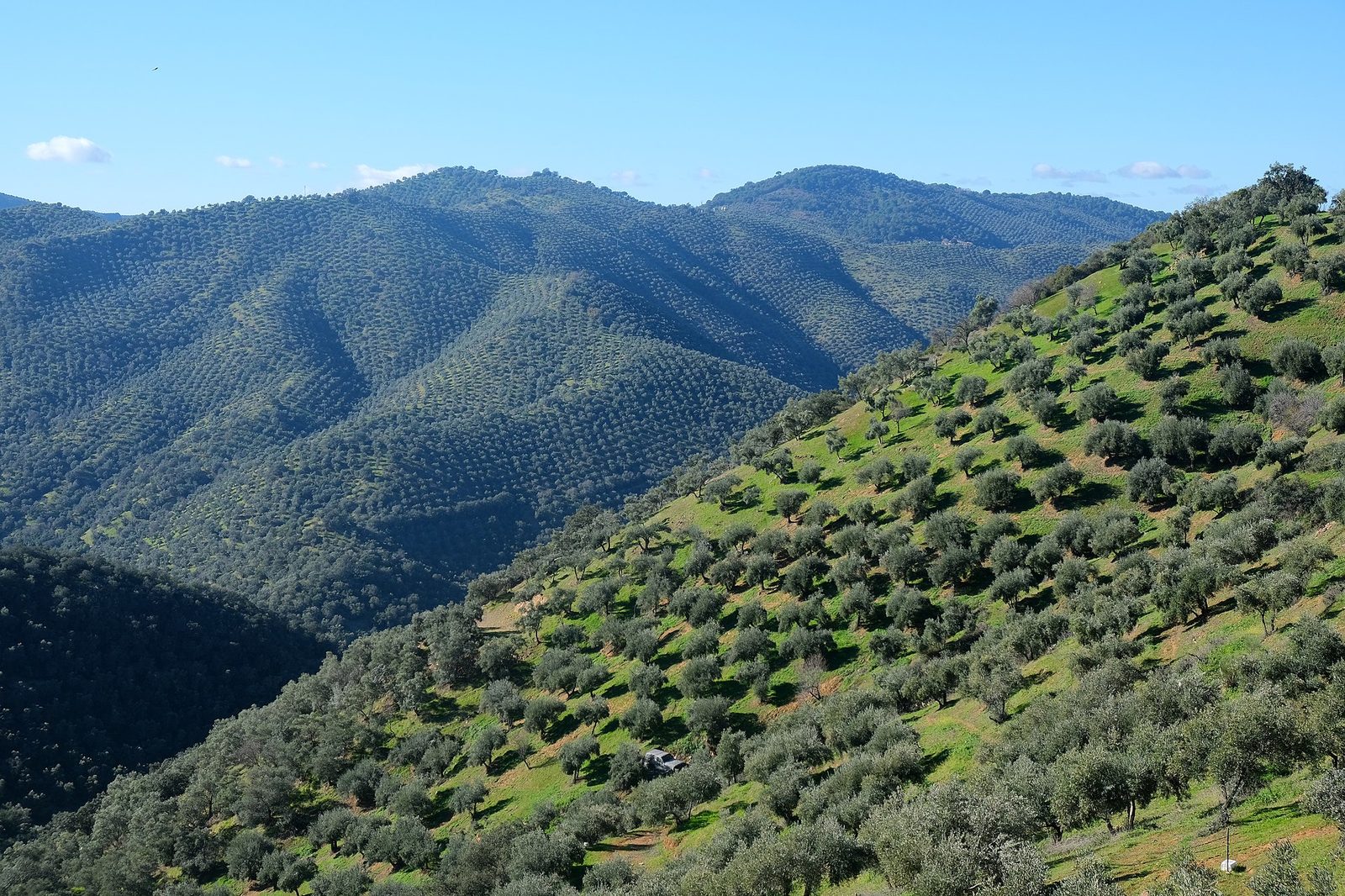
When violent autumn storms strip the olives from Puglia’s trees, wind and hail tearing through groves already worn down by a hard year, it is tempting to file it as one more weather disaster. But the real story of a ruined olive harvest is rarely a single event. It is the compounding — the way a grove can be hit from every direction across one season, so that no single blow is the villain and the trees never get a chance to recover between them.
A year of blows, not one disaster
A catastrophic olive year in a region like Puglia typically stacks up: a winter freeze damages the trees, summer heat and drought stress them, flooding waterlogs the ground, and then autumn storms with wind and hail strip whatever fruit survived, often worst in the exposed north of the region. Each event alone might be survivable. Arriving in sequence, they leave no recovery time, and the losses multiply. That pile-up — cold, heat, flood, storm — not any one headline disaster, is the modern face of climate risk for the olive.
Why stressed trees fall to disease
The compounding does not stop at the weather. Trees battered by a run of extreme events are weaker, and weak trees are far more vulnerable to pests and disease — in Puglia, above all to Xylella, the bacterium that has devastated the region’s groves. A season of physical damage lowers the trees’ defences just as the pathogen is looking for openings. So a bad-weather year is not only a lost harvest; it can be the thing that tips already-stressed trees over into a disease they might otherwise have resisted.
What the pile-up means
For growers, the lesson is that resilience has to be built for a sequence of shocks, not a single one — and that is far harder and more expensive. For the rest of us, it explains why ‘worst harvest in memory’ stopped being a rare headline and became a recurring one across Italy’s olive country. It is also why the affordable, reliable Mediterranean abundance of the past cannot be taken for granted, and why a fair, steady price for honest oil is increasingly what it takes to keep battered groves — and the growers who tend them — alive through years like these.
| The region | Puglia, the heart of Italian olive country |
|---|---|
| The real risk | A pile-up of shocks, not one disaster |
| A typical sequence | Freeze, heat, flood, then wind and hail |
| Why it multiplies | No recovery time between blows |
| The disease link | Stressed trees fall more easily to Xylella |
| The takeaway | Reliable abundance can’t be taken for granted |
Understanding compound climate risk
- See that the danger is the pile-up — several shocks in one season — not any single storm.
- Note that blows arriving in sequence give trees no time to recover, so losses multiply.
- Remember that stressed trees fall far more easily to pests and disease like Xylella.
- Understand why reliable, cheap abundance can no longer be taken for granted.
Compound climate risk and the olive: common questions
Why is the ‘pile-up’ more dangerous than one storm?
Because several shocks in a single season — freeze, heat, flood, storm — leave the trees no time to recover between them, so the damage compounds rather than passing.
How do autumn storms hurt an olive crop?
Wind and hail strip fruit from the trees late in the year, destroying much of what survived earlier stresses, and often hit hardest in exposed parts of a region.
What links bad weather to disease?
Trees weakened by a run of extreme events have lower defences, making them far more vulnerable to pests and pathogens such as Xylella.
Why has ‘worst harvest in memory’ become common?
Because compounding extreme-weather years are arriving more often, so the phrase describes a recurring pattern rather than a rare event.
What does this mean for olive oil prices?
It makes reliable, cheap Mediterranean abundance less certain, so a fair, steady price is increasingly what keeps battered groves in business.
Puglia is the heart of Italian olive country — and a catastrophic year hits it from every direction at once: cold, heat, flood, storm, disease. That pile-up, not any single disaster, is the modern face of climate risk for the olive. Blows arriving in sequence give the trees no time to recover, and stressed trees fall far more easily to pests and to Xylella. It’s why ‘worst harvest in memory’ stopped being a rare headline — and why reliable, cheap abundance can no longer be taken for granted.
Drawn from contemporary reporting on the autumn 2018 storms in Puglia and the region’s compounding climate and disease pressures.