How Tunisia Makes Its Oil
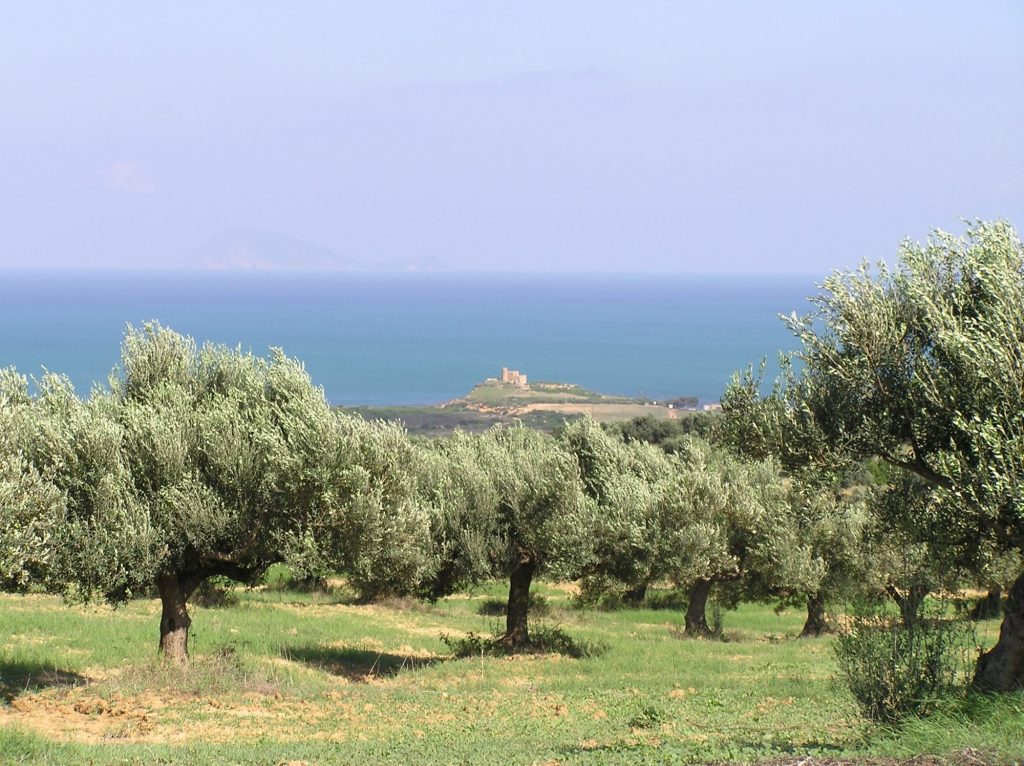
Tunisia sits among the top olive-oil producers on earth, and yet you rarely see its name on a bottle. Most of the crop leaves in bulk, blended into oils labelled elsewhere. Understanding how Tunisia grows and presses its olives tells you a lot about the whole trade.
Tunisia is the textbook example of a country that grows enormous quantities of good oil and lets almost all of it leave under someone else’s name. It routinely ranks among the world’s top four producers, ahead of far more famous olive nations, yet you can shop for years without knowingly buying a Tunisian bottle. How the country farms and mills explains both halves of that paradox: the scale that makes it a heavyweight, and the bulk trade that keeps it invisible.
The groves and the harvest
Tunisia farms olives across a vast, dry interior where trees are planted far apart so each can reach the little water there is. The dominant variety is Chemlali in the centre and south, with Chetoui further north, and the spacing alone explains the country’s style: low-input, drought-hardened, enormous in total area. Harvest runs through autumn into winter, much of it still by hand and pole. Yields per tree are modest — you cannot squeeze much from a tree fighting for water — but the sheer number of trees makes Tunisia a heavyweight. A great deal of the fruit goes to large modern mills; plenty still passes through small local presses that serve a village and little more.
That wide spacing is not backwardness; it is sound dry-farming. Pack the trees closer and they would starve each other of moisture. The grove map you see from the air — lonely trees in dusty grids stretching to the horizon — is an engineering answer to a hard climate, and it is why Tunisia can crop at all where little else grows.
Why the name rarely reaches you
Here is the part the trade does not advertise. Much of Tunisia’s oil is sold in bulk to other countries, where it is blended, bottled and labelled under their flag. The oil can be genuinely good — clean, fruity Chemlali in particular — but the value and the name accrue elsewhere. In recent years more Tunisian producers have bottled at home under their own labels, and single-origin Tunisian extra virgin is worth seeking out: it is often excellent and honestly priced. When you find one, you are buying the oil closer to its source, with fewer hands in between.
- Chemlali: the southern workhorse — clean, fruity, mild-to-medium.
- Chetoui: the northern variety — greener, more robust and bitter.
- Dry farming: wide spacing, little or no irrigation, low input.
- Bulk export: the default route — blended away under other flags.
- Estate bottling: the growing alternative — named, dated, single-origin.
| Variety | Where | Oil character |
|---|---|---|
| Chemlali | Centre and south | Clean, fruity, mild-to-medium, soft |
| Chetoui | North | Greener, more robust, bitter, structured |
| Ouëslati | Central regions | Local, balanced, regional blends |
| Chemchali | South (Gafsa) | Lighter, regional speciality |
The bulk trade, read from the buyer’s side
This is the angle worth carrying to the shop. If a cheap ‘Mediterranean’ or vaguely ‘Italian-style’ blend tastes better than its price suggests, there is a fair chance Tunisian oil is doing the heavy lifting inside it. That is not a scandal — blending good Tunisian Chemlali into an affordable bottle is a legitimate, legal trade, and the oil is often clean and pleasant. But it does mean you can usually buy the same quality, named and dated, by going for a Tunisian estate bottle directly: same fruit, fewer middlemen, the country’s name finally on the front, and frequently a lower price than the rebranded version because Tunisia hasn’t monetised its reputation yet. The bulk trade is the market working; buying direct is you working the market back.
How Tunisia makes its oil: common questions
Is Tunisia really a top producer?
Yes — it routinely ranks among the world’s top four olive-oil producers, ahead of many better-known nations. Its low profile comes from selling so much oil in bulk rather than under its own name.
What is the main Tunisian variety?
Chemlali dominates the dry centre and south, giving clean, fruity, mild-to-medium oil. Chetoui leads in the wetter north and is greener and more robust. Most Tunisian oil leans on one or both.
Why are the trees planted so far apart?
It is dry farming. In a hot, low-rainfall interior, wide spacing lets each tree reach enough soil moisture to survive and crop. Pack them closer and they would compete for water and fail.
Is some ‘Italian’ oil actually Tunisian?
Often, in part. A lot of Tunisian bulk oil is exported, blended and bottled under other flags. That is legal when the label discloses it, but it is why good Tunisian oil frequently reaches you under someone else’s name.
How do I buy real Tunisian oil?
Look for a single-origin Tunisian estate bottle with a named variety (Chemlali or Chetoui) and a recent harvest date. You get the oil closer to source, with fewer middlemen — often the same quality as the rebranded blend, for less.
If a cheap ‘Mediterranean’ or vaguely ‘Italian-style’ blend tastes better than its price suggests, there is a fair chance Tunisian oil is doing the heavy lifting inside it. No shame in that — but you can usually buy the same quality, named and dated, by looking for a Tunisian estate bottle directly. Same fruit, fewer middlemen, the country’s name finally on the front. Chemlali is your easy, fruity everyday oil; Chetoui from the north is the greener, bolder one if you want more bite. Either way, you are paying for the oil, not for the flag someone else stitched onto it.
Drawn from Tunisian production data and bulk-trade practice in the international olive-oil market.