Greece’s Poor 2018/19 Harvest
In early 2019, Greek growers reported a badly hit harvest — the olive fruit fly and erratic weather cutting output from about 350,000 tonnes the year before to as little as 200,000. It was an early, unmistakable view of the pattern that would shape the whole decade.
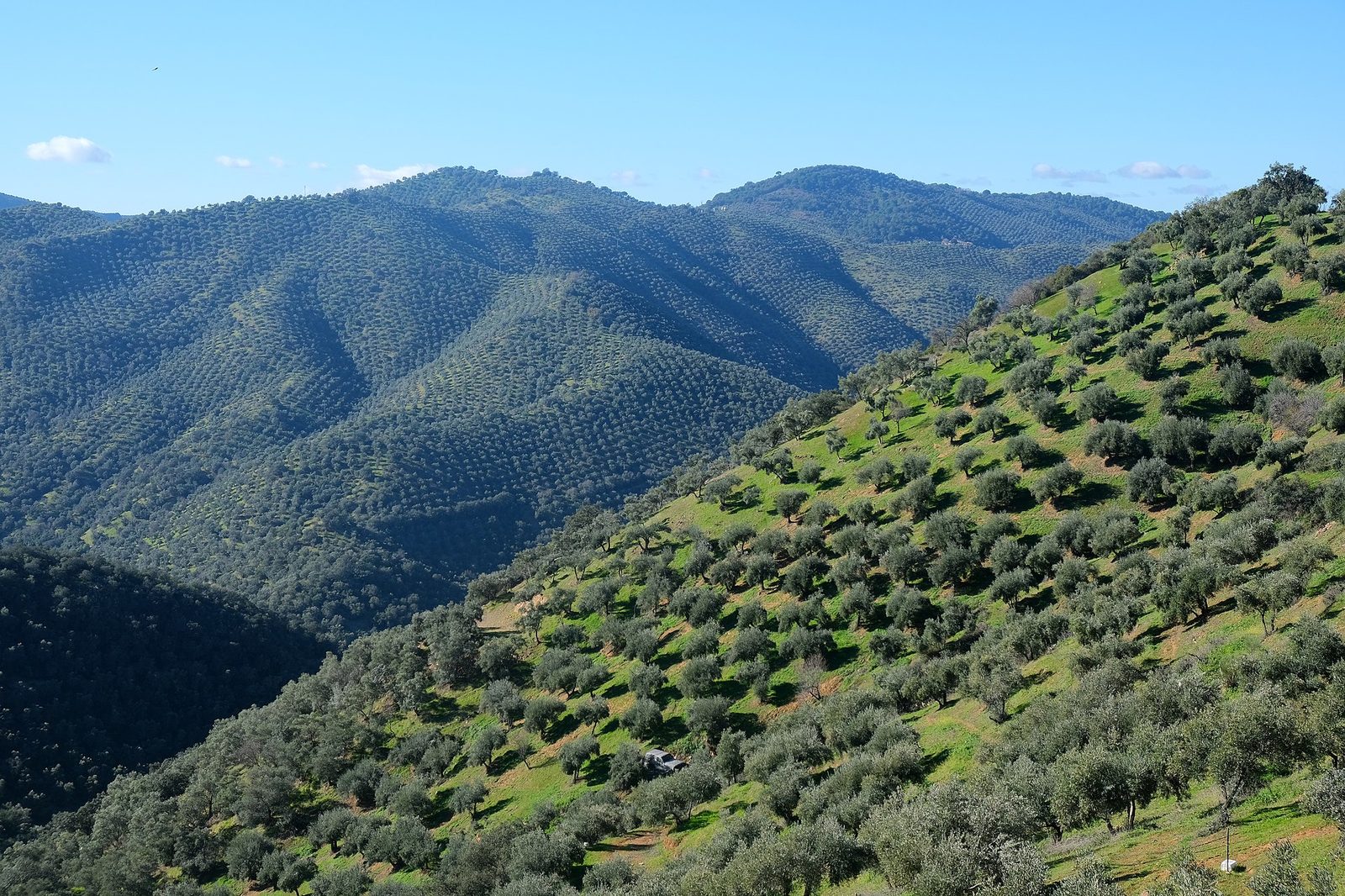
Most Greek growing regions were hurt in 2018/19 by the olive fruit fly and by weather swings, trimming output to an estimated 200,000–240,000 tonnes, down from around 350,000 the year before. The island of Lesvos — home of the aromatic Adramytini variety — was singled out for heavy losses from a combination of rain, fly and unseasonable warmth. It reads like a local misfortune. It was actually a preview.
Why Greece’s bad years matter to everyone
Greece is the world’s third-biggest olive-oil producer and, quietly, one of its very best — a huge share of its output is premium extra virgin, much of it prized enough that other countries buy it in bulk to lift their own blends. So when Greece has a bad year, the effect is not confined to Greece. It removes a chunk of the world’s quality oil specifically, tightening the top of the market and nudging up prices well beyond Greek shores. A poor Greek harvest is a global event wearing local clothes.
The olive fruit fly, and why warmth feeds it
The Bactrocera oleae, the olive fruit fly, is the crop’s most damaging pest: it lays its eggs in the fruit, the larvae tunnel through the flesh, and the result is spoiled olives and, if pressed anyway, defective oil. The fly thrives in warm, humid conditions — exactly the ‘warmer, wetter spell’ that hit Greece in 2018/19. That is the uncomfortable link. A changing climate does not only bring drought at one end; at the other it brings the warmth and moisture that let pests flourish. Both are the same underlying pressure, expressed differently.
The pattern already in plain view
Read from a few years’ distance, 2018/19 looks less like an isolated bad season and more like the opening line of the decade’s story. A warmer, wetter spell that both spoils fruit and feeds pests, striking a major producer and tightening the whole market — that exact mechanism would recur, again and again, through the crisis years that followed. The clues were all there in a single Greek harvest report, for anyone inclined to read a local setback as an early warning rather than a one-off. See Greek olives.
| What happened | Greek output cut to ~200,000–240,000 t from around 350,000 |
|---|---|
| Main causes | Olive fruit fly plus erratic, warm-and-wet weather |
| Worst hit | Lesvos, home of the Adramytini variety |
| Why it matters | Greece is the world’s 3rd producer and a top quality source |
| The pest | Bactrocera oleae thrives in warm, humid conditions |
| The theme | An early view of the climate pattern that defined the decade |
What a buyer should take from it
- Greek oil is a quality benchmark — a bad Greek year tightens the premium end of the market, not just Greece.
- Climate stress isn’t only drought — warmth and damp feed the fruit fly that ruins fruit and oil.
- Seek out named Greek oils — much of Greece’s best is sold in bulk and hidden in others’ blends.
- Read local setbacks as signals. One region’s bad year often previews a wider pattern.
Greece’s 2018/19 harvest: common questions
How bad was the 2018/19 Greek harvest?
Output fell to an estimated 200,000–240,000 tonnes from around 350,000 the year before, hit by the olive fruit fly and erratic weather, with Lesvos worst affected.
What is the olive fruit fly?
Bactrocera oleae, the crop’s most damaging pest. It lays eggs in the fruit; the larvae tunnel through the flesh, spoiling olives and, if pressed, producing defective oil.
Why does a warm, wet spell make it worse?
The fly thrives in warm, humid conditions, so unseasonable warmth and rain let its numbers explode — the climate pressure showing up as pests rather than drought.
Why does a Greek shortfall affect world prices?
Greece is the world’s third-biggest producer and a major source of premium oil, much of it bought in bulk by others, so a bad Greek year tightens the whole quality market.
What’s the bigger lesson from 2018/19?
It previewed the decade: a warmer, wetter pattern that both spoils fruit and feeds pests, striking major producers and tightening the market again and again.
People filed this under ‘bad year in Greece’ and moved on. Look again with a few years’ hindsight and it’s the opening line of the whole decade. The culprit wasn’t just the olive fruit fly — it was the warm, wet weather that lets the fly explode, the same climate pressure that shows up as drought elsewhere. And it hit Greece, which quietly makes some of the best oil in the world, so it tightened the quality end of the market everywhere. The pattern that would define the crisis years was already fully visible in one Greek harvest report.
Drawn from January 2019 reporting on the poor Greek 2018/19 harvest and olive-fruit-fly damage.