The First Press as a Village Celebration
In olive-growing villages the first oil of the season is not a product, it is a moment. Families bring their fruit to the mill, wait their turn, and taste the new oil still warm on torn bread. It is one of the genuine, unmarketed pleasures of the olive world.
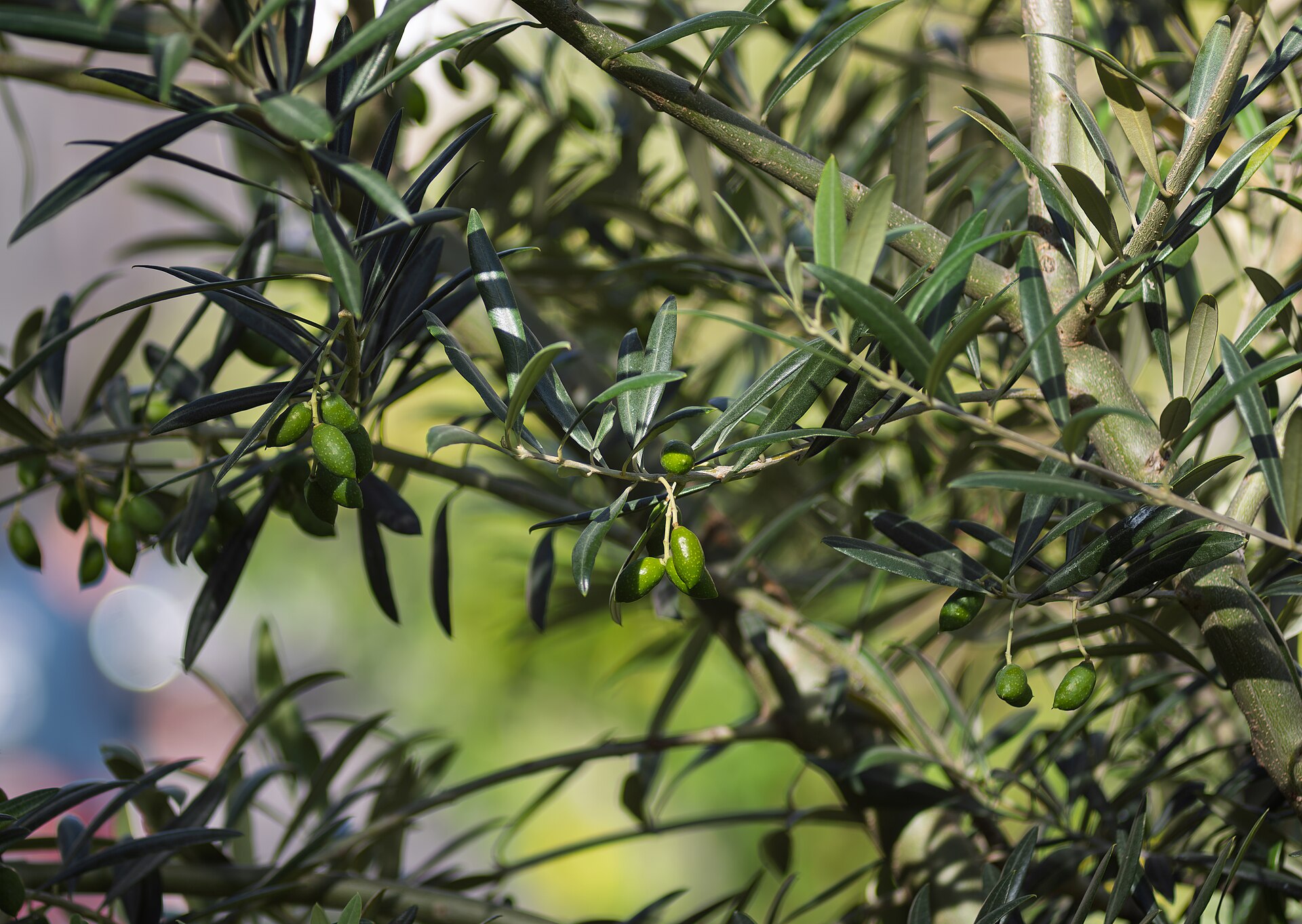
Every autumn, in villages from Andalusia to Crete, the same small drama plays out at the mill: families queue with their own fruit, wait for their batch to run, and catch the first oil on torn bread while it is still warm from the press. It is the opposite of a marketing event — nobody is selling anything — and it is, for many who grow olives, the emotional peak of the year. It also teaches, in one mouthful, what fresh extra virgin actually is, and why the supermarket bottle so rarely measures up.
The day at the mill
Through late autumn the village mill runs almost without stopping. Families arrive with sacks and crates of their own fruit, often from a handful of trees behind the house, and wait for their batch to be pressed separately so the oil that comes out is unmistakably theirs. There is gossip, coffee, arguments about whose grove did best this year. When the fresh oil first runs from the mill it is cloudy, vivid green and faintly warm from the malaxation — the slow kneading of the paste — and someone always tears bread to catch it. That first taste, grassy, bitter, peppery enough to catch the throat, is the whole year in a mouthful.
Why the cough is the point
Here is the thing newcomers get wrong: they treat the throat-catching sting of new oil as a fault, when it is the single best sign of quality. That peppery bite — sometimes strong enough to make you cough on the second spoonful — comes from oleocanthal and the other polyphenols that flood a fresh, early-harvest oil. They are the same compounds that give the oil its health interest and its keeping power. A smooth, buttery, utterly painless oil is often simply older, riper or tired. At the village press you learn to want the cough, not fear it.
| When | Late autumn, through the harvest |
|---|---|
| How | Each family’s fruit pressed as its own batch |
| The new oil | Cloudy, unfiltered, vivid green, faintly warm |
| The taste | Grassy, bitter, peppery — it can make you cough |
| The cough | Oleocanthal and polyphenols, a sign of quality |
| Why it matters | Ties the oil to a place, a family and one afternoon |
Why the ritual still matters
The first-press gathering survives because it does something a bottle never can: it ties the oil to a place, a family and a single afternoon. People who grow their own know exactly what real, fresh extra virgin tastes like, which is why they are so unimpressed by supermarket imitations. In a world of blended, anonymous, months-old oil, the village first press is a yearly reminder of what the fruit can actually be — and of how far most bottled oil has drifted from it by the time it reaches a shelf.
If you ever get to taste it
- Take the chance — oil straight off a working press in autumn teaches more than any tasting course.
- Do not be alarmed when it bites the back of your throat; that cough is the polyphenols.
- Expect it cloudy and fierce, not the clear, calm oil of a supermarket bottle.
- Notice the difference — everything smoother is what time and filtration leave behind.
The first press: common questions
What is the ‘first press’ celebration?
The gathering at a village mill in autumn when families bring their own olives, have them pressed as a separate batch, and taste the brand-new oil on bread straight from the mill.
Why is new olive oil cloudy and green?
Because it is unfiltered and freshly pressed — the vivid green and haze come from tiny fruit particles and the pigments of just-crushed olives.
Why does fresh olive oil make you cough?
From oleocanthal and other polyphenols, which are abundant in fresh, early-harvest oil. The peppery throat-catch is a sign of quality, not a flaw.
Is the peppery sting a defect?
No — quite the reverse. It marks a young, polyphenol-rich oil. A completely smooth, painless oil is often older, riper or past its best.
Why can’t a supermarket bottle taste like this?
Most bottled oil is blended, filtered and months old by the time it sells, so it has lost the fierce, grassy, peppery life of oil tasted minutes from the press.
If you ever get the chance to taste oil straight off a working press in autumn, take it, and do not be alarmed when it bites the back of your throat. That cough is the polyphenols talking — oleocanthal and its cousins — and it is exactly what people pay extra for in a bottle months later. Cloudy, fierce and green is the truest face of olive oil; everything calmer is what time and filtration leave behind. Learn to want the sting, and you will never be fooled by a smooth, tired bottle again.
Drawn from harvest-season custom in Mediterranean olive-growing villages, and the role of polyphenols such as oleocanthal in fresh oil.