Super-High-Density Groves: The Industrial Olive
Drive through modern olive country in Spain or Portugal and you will see something that looks more like a vineyard than a grove: olives grown as dense hedgerows, trained on wires, harvested by straddle machines at speed. This is the super-high-density system, and it has changed olive oil more than almost anything in centuries.
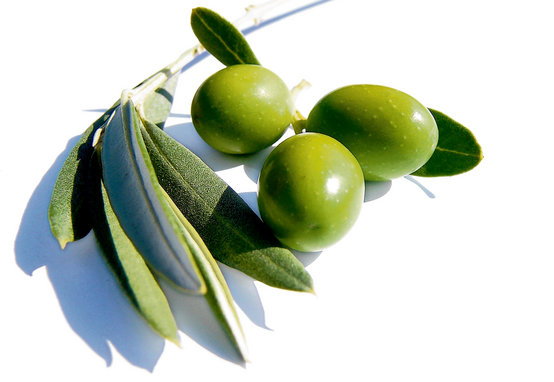
The olive is one of the world’s oldest crops, and for most of its history it was grown one big, spreading, hand-picked tree at a time. Then, a generation ago, Spanish growers borrowed the logic of the vineyard and stood the whole system on its head. The result — the super-high-density or SHD hedgerow — is why a bottle of decent extra virgin can now cost less than a fancy coffee. It is a genuine revolution, and like most revolutions it has a bill attached that is easy to overlook.
How the system works
A traditional grove holds perhaps a hundred big trees to the hectare, each picked largely by hand. A super-high-density planting packs well over a thousand — often 1,500 or more — small trees grown as a continuous hedge along trellised rows. A machine much like a grape harvester straddles the row and strips the fruit in a single pass, so a job that once took a crew days is done in hours. The trees are kept small, come into production from about the third year and reach full maturity around the fifth. It is an efficient, low-labour way to make a great deal of oil cheaply, and it sits behind much of the affordable extra virgin on supermarket shelves.
| Traditional grove | Super-high-density | |
|---|---|---|
| Trees per hectare | ~80-150 | 1,500-2,500 |
| Harvest | Hand / poles / nets | Straddle machine, one pass |
| First crop | 5-10 years | About 3 years |
| Varieties | Hundreds, incl. big characterful ones | A few compact ones (Arbequina, Arbosana, Koroneiki) |
| Productive life | Decades to centuries | Shorter; hedge replaced sooner |
| Typical oil | Variable, place-rooted, can be fierce | Clean, fruity, consistent, often milder |
The trade-offs
The gains are real, and so are the costs. SHD only works with varieties that stay compact and crop heavily young — Arbequina above all, plus Arbosana and Koroneiki — so a handful of cultivars now dominate new planting while hundreds of traditional, ungainly varieties are squeezed out. Critics raise narrowed diversity, heavier irrigation and input demands, and the questions that come with intensive monoculture; supporters point to lower prices, machine-harvested freshness, and consistent quality. The oil itself can be very good — clean and fruity, if often milder. The real question SHD raises is not whether the oil is decent, because it usually is. It is what a global grove dwindling to three or four varieties costs us in the long run.
What it means for what you buy
None of this makes hedgerow oil bad. That cheap, pleasant supermarket Arbequina is a perfectly good everyday oil, and its machine-fast, mill-fresh route can actually help quality. But if you value the old, fierce, characterful varieties — the ones a straddle harvester can never touch — you have to buy them deliberately, from traditional growers, and usually pay more. Those varieties survive only as long as someone keeps choosing them. Your bottle is, in a small way, a vote for which kind of grove has a future.
Buying with the system in mind
- Cheap, clean, mild supermarket Arbequina almost certainly came from a hedgerow and a machine — fine for everyday use.
- For fierce, characterful varieties, buy deliberately from traditional growers; they will cost more.
- Do not treat SHD as a mark of low quality — freshness and milling matter more than grove shape.
- Remember that choosing traditional oils is what keeps rare varieties commercially alive.
Super-high-density olives: common questions
What is a super-high-density olive grove?
A system that plants small olives close together as trellised hedgerows — well over a thousand trees per hectare — harvested by a straddle machine that strips a whole row in one pass.
Which varieties are used in SHD groves?
Mainly compact, early-cropping cultivars: Arbequina above all, plus Arbosana and Koroneiki. Big traditional varieties do not suit the machine.
Is super-high-density olive oil lower quality?
Not necessarily. It is often clean, fruity and consistent, if milder. Freshness and careful milling matter more to quality than the grove’s shape.
Why do people worry about SHD?
Because it relies on just a few varieties, so it can squeeze out the hundreds of traditional cultivars and narrow the diversity of the world’s olive groves.
How can I avoid mass-produced olive oil?
Buy named single-variety or traditional-grove oils from smaller producers. The fierce, characterful varieties come from the old hand-tended groves, not the hedgerows.
That cheap, pleasant supermarket Arbequina almost certainly came from a hedgerow grove and a machine — and there is nothing wrong with it for everyday use. But if you value the old, fierce, characterful varieties, you have to buy them deliberately from traditional growers, and usually pay for the privilege. They survive only as long as someone keeps choosing them. Every bottle is a small vote for which kind of grove still exists in fifty years.
Based on modern olive-growing and super-high-density hedgerow system research.