France: Olive Country in Profile
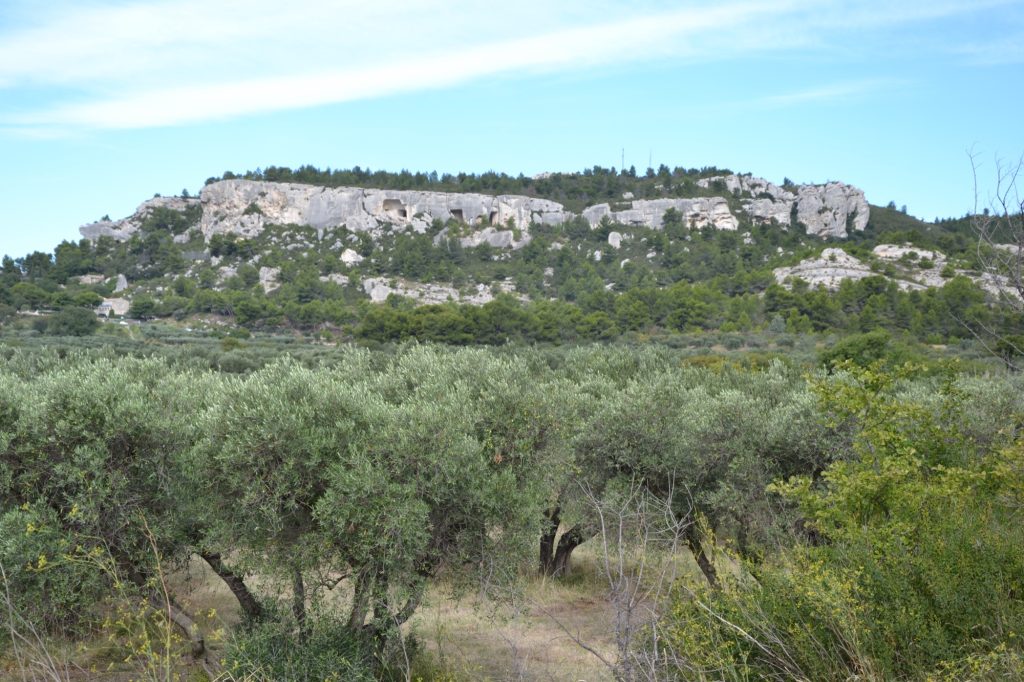
France grows olives only in its warm southern fringe, and never in great quantity, but the country has carved out a clear identity in the olive world: small, expensive, appellation-led and unmistakably gentle in style. Here is the lie of the land.
France is a curiosity on the olive map: a famous food nation that barely grows the crop, and is unbothered by the fact. It presses in a whole season roughly what Spain can crush in a few days, imports far more oil than it makes, and yet commands a reputation and a price out of all proportion to its tonnage. That is the French trick — not volume, but scarcity, appellation and a distinct national taste for the mild. Understand those three things and you understand the whole country in a glass.
Where the olives grow
French olive country is essentially Mediterranean France: Provence, the Bouches-du-Rhône, the Var, the Alpes-de-Haute-Provence and Alpes-Maritimes, the Gard and Hérault in Languedoc, the Drôme around Nyons, and Corsica. The trees climb terraced hillsides and cluster in sheltered valleys, often as old, widely spaced groves rather than dense modern plantings. Frost is the limiting factor — a hard winter can damage trees and dent a harvest for years, as France has learned more than once. The result is a patchwork of small producers, many working historic groves, with the famous mistral wind shaping both the trees and the character of the fruit.
Cultivars and character
France leans on a distinctive set of cultivars: Aglandau (also called Berruguette) across Provence, Salonenque and Grossane in the Vallée des Baux, Tanche around Nyons, Bouteillan, Cailletier (the Nice olive, behind the famous Niçoise) and Picholine, which doubles as a celebrated green table olive. Together these tend toward oils that are soft, sweet and aromatic rather than bitter or fiery, and toward elegant table olives. France is also distinctive for its protected appellations and for the ripe, fermented matured-olive style of some regions. None of it adds up to volume — but it adds up to a recognisable, sought-after niche.
| Olive country | Mediterranean south: Provence, Rhône, Languedoc, Riviera, Corsica |
|---|---|
| Signature cultivars | Aglandau, Salonenque, Tanche, Cailletier, Picholine |
| House style | Soft, sweet, aromatic — low bitterness |
| Famous appellations | Vallée des Baux, Nyons, Aix-en-Provence, Nice |
| Limiting factor | Frost; small, scattered, old groves |
| Trade position | Net importer; tiny domestic output |
| Price | High — you pay for scarcity and appellation |
Not just oil — a famous table olive too
It is easy to talk about France purely as an oil country, but some of its real fame is in the brine jar. The Picholine, grown above all around Nîmes in the Gard, is one of the world’s best-known green table olives — firm, crunchy, faintly nutty, and protected under its own appellation as the Olive de Nîmes. Down on the Riviera, the small dark Niçoise olive (from the Cailletier tree) is the soul of salade niçoise and a tapenade prized far beyond France. These are not afterthoughts to the oil; in several regions the table crop is the main event, and the oil is what gets pressed from fruit not good enough to cure whole. Keeping that dual purpose in mind explains a lot about why French groves are planted and picked the way they are.
The thing French marketing won’t tell you
Here is the non-obvious truth a French label rarely volunteers: a great deal of the “olive oil of France” sold in French supermarkets was never grown in France at all. The country imports the bulk of what it consumes — Spanish, Italian and other Mediterranean oil bottled and sold under reassuringly French branding. The genuinely French oil is the small, dated, appellation-named bottle, and it costs accordingly. So when you pay a premium for “French” oil, make sure you are paying for an AOP and a harvest date, not for a tricolore on a bottle of imported blend. The scarcity is real; so is the marketing built on top of it.
- French ≠ grown in France. Much supermarket “French” oil is imported and bottled locally — read for an AOP.
- The real thing is appellation-led. Vallée des Baux, Nyons, Aix and Nice tie a bottle to place and method.
- Expect gentleness, not bite. The French style is soft and sweet by design, not a faded version of a Spanish oil.
- Frost shapes supply. A hard winter can thin the crop for years, which is part of why prices stay high.
France’s olives: common questions
Is France a big olive-oil producer?
What does French olive oil taste like?
What are the main French olive regions?
What is the matured-olive style?
Why is French olive oil so expensive?
If you want to understand French oil, start with a single AOP — say Vallée des Baux or Nyons — and taste it beside a young Spanish or Greek oil. The contrast does the teaching: France in the mild, rounded corner, the others bolder and greener. Neither is better ; they are answers to different questions, and your own palate decides. And do read the back label hard: a real French oil names an appellation and a harvest, while a great deal of “French” supermarket oil is imported blend wearing a tricolore. Pay the premium for the appellation, not the flag.
Based on French AOC/AOP appellation rules, regional cultivar profiles and trade data.