In Focus: The Grossane Olive
The Grossane is the black olive of the Vallée des Baux — the only variety allowed to carry that black-olive appellation. Grown in the Alpilles of Provence, it is plump, wrinkled and gently sweet, with a faint truffle-and-wine note that sets it well apart from a harsh green olive.
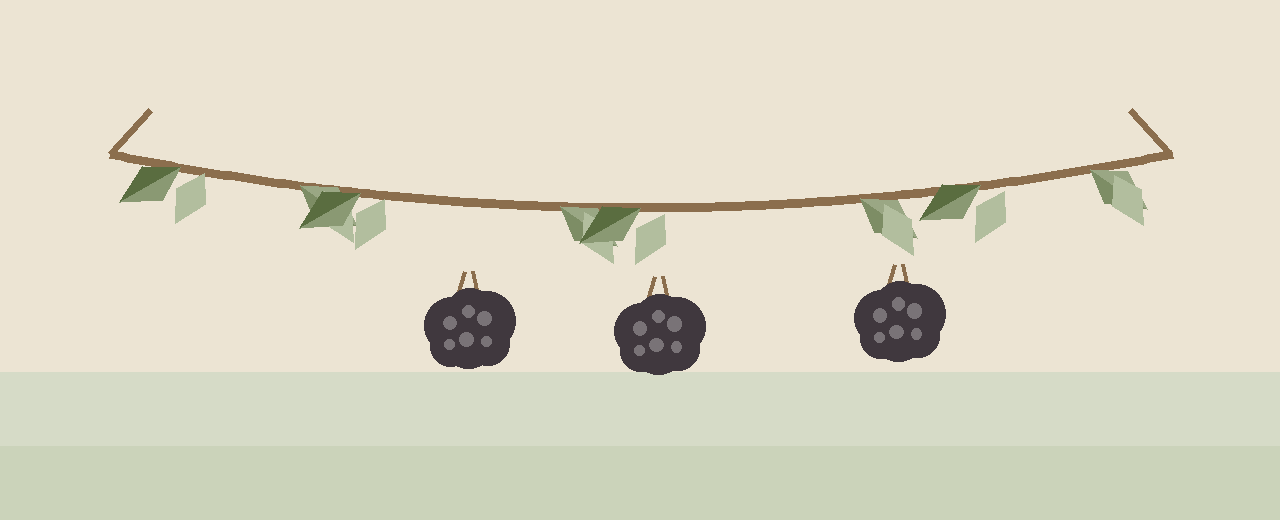
The Grossane is a Provençal table olive grown in the Alpilles, the little limestone range between Avignon and Arles, and it holds a special status: it is the sole variety permitted for the black olives of the Vallée des Baux-de-Provence AOP. Picked ripe in late autumn, it is a large, round, dark-violet-to-black fruit with a wrinkled skin, cured with dry salt or in brine. Legend has the lords of Les Baux bringing it back from the Crusades — a good story for an olive so tied to one small corner of France.
A Provençal specialty, first and last
Grossane is not an oil olive of the peppery, ambitious kind; it is a table fruit and a regional treasure. It ripens late, wants moist soil, and gives modest yields — none of which makes it a mass-market variety, and all of which makes it precious. Its whole identity is bound up with the Vallée des Baux, one of France’s most celebrated olive districts, where it is cured the traditional way and eaten as the pride of the local table. This is an olive with an address.
At the table
Ripe and gently cured, Grossane is sweet and mellow, with none of the harsh bitterness of a green olive — soft-fleshed, faintly winey, sometimes carrying notes people describe as truffle, mushroom or warm bread. Serve it plain, as an aperitif with bread and a glass of red, scatter it through a daube or a tapenade, or eat it straight from the bowl. Because it is a single-variety, single-origin olive cured traditionally, quality is far steadier than with anonymous ‘black olives’ — the AOP is your guarantee.
The black-olive warning
Here is the honest part, and it matters. A great many cheap ‘black olives’ owe their uniform colour not to ripening on the tree but to oxidation — green olives darkened in the factory with air and an iron salt, then sold as black. A true Grossane turns dark on the tree and tastes of it: sweet, wrinkled, alive. Pay for the Vallée des Baux AOP name rather than a generic tub, and you are buying a real ripe olive, not a dyed green one wearing a costume.
| Origin | Alpilles, Provence, France |
|---|---|
| Type | Table olive (black) |
| Protected origin | Olives noires de la Vallée des Baux-de-Provence AOP |
| Harvest | November–December (ripe) |
| Cure | Dry-salt or brine |
| Flavour | Sweet, mellow, faintly winey; low bitterness |
| Best use | Eaten plain; tapenade, daube, aperitif |
Buying & using Grossane
- Pay for the Vallée des Baux AOP name — it guarantees a real ripe olive, not a dyed green one.
- Serve it plain, with bread and a glass of red, so its winey sweetness shows.
- Its soft flesh melts beautifully into tapenade and daube.
- Beware generic ‘black olives’ darkened by oxidation rather than ripened.
Grossane olives: common questions
Is Grossane an oil or table olive?
A table olive — a plump, ripe black fruit. It is the sole variety allowed for the black olives of the Vallée des Baux AOP.
Where does Grossane come from?
The Alpilles of Provence, between Arles and Avignon, the heartland of the Vallée des Baux-de-Provence olive appellation.
What does Grossane taste like?
Sweet and mellow with very low bitterness — soft-fleshed and faintly winey, with notes some describe as truffle, mushroom or warm bread.
How can I tell a real black olive from a dyed one?
A true Grossane ripens dark on the tree; many cheap ‘black olives’ are green ones oxidised and darkened in the factory. The AOP name is your guarantee.
How should I serve Grossane?
Plain as an aperitif with bread and red wine, or in tapenade and slow-cooked daube, where its mellow sweetness shines.
Grossane is an olive with an address — the ripe black fruit of the Vallée des Baux, sweet, wrinkled and faintly winey, nothing like a harsh green olive. Serve it plain with bread and red wine, or melt it into tapenade. The warning matters here: most cheap ‘black olives’ are green ones darkened by oxidation and an iron salt in the factory, not ripened on the tree. Pay for the Vallée des Baux AOP name and you get the real thing — a ripe olive, not a green one in costume.
Drawn from the Vallée des Baux-de-Provence AOP specification and Alpilles curing tradition.