Olive Oil in Pizza Dough: How Much, When, and What It Actually Does
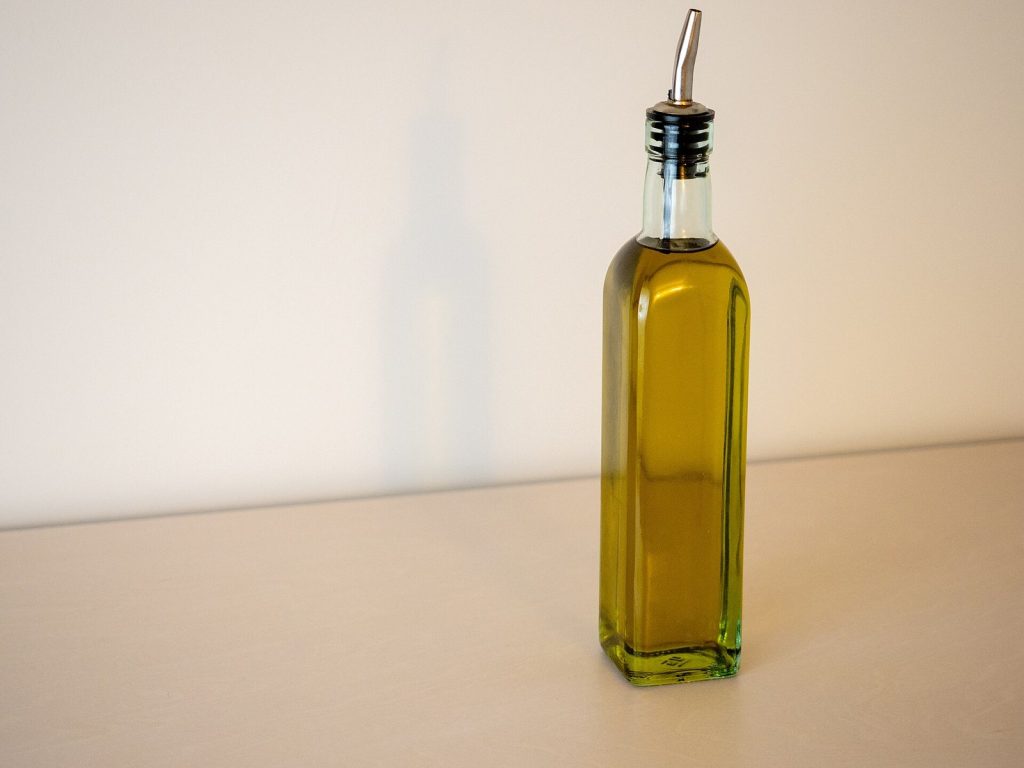
Olive oil in pizza dough does three things: it softens the crumb, it slows staling, and it helps the base colour in a domestic oven that cannot reach pizzeria heat. It is also the ingredient people add most carelessly. A true Neapolitan dough contains none at all, and a New York or pan dough leans on it heavily. Which camp you are in decides how much to use, and adding it at the wrong moment undoes most of the benefit.
What the oil is doing
Fat coats strands of gluten as they form. That shortens them, which is where the word shortening comes from, and the result is a softer, more tender crumb that tears rather than snaps. It also slows moisture loss, so an oiled dough stays edible the next day where a lean one goes to cardboard.
The third effect is the one home cooks care about most. Fat conducts heat into the surface of the dough faster than air does, so an oiled base browns and crisps at 240°C where a lean dough really wants 450°C. If your oven tops out at 250°C, oil is doing work that heat cannot.
How much, by style
| Style | Oil as % of flour weight | Result |
|---|---|---|
| Neapolitan | 0% | Flour, water, salt, yeast only. Needs 450°C and 90 seconds to work |
| New York | 2 to 3% | Foldable, chewy, holds up under a slice’s own weight |
| Home oven, thin | 3 to 4% | The practical sweet spot at 240 to 250°C |
| Pan, Sicilian, focaccia-style | 5 to 8%, plus oil in the tin | Rich, open, almost fried underneath |
| Too much | above 10% | Greasy, slack, refuses to stretch, pale on top |
Percentages are of flour weight, the baker’s convention. For 500g of flour, 3% is 15g, which is roughly a tablespoon.
When to add it
After the flour and water have come together, not before.
Gluten needs water to form. Put oil in at the start and it coats the flour before the water can reach it, so the dough takes longer to develop and never gets as strong. Mix flour, water and salt first, let it sit 15 minutes, then work the oil in. The dough will look as if it is refusing to accept it for a minute or two. Keep going and it comes together.
- Combine 500g strong flour, 325ml water and 10g salt into a shaggy mass. Rest 15 minutes.
- Add 4g dried yeast and knead 3 minutes until smooth.
- Work in 15 to 20g olive oil a little at a time. It will seem to slip before it absorbs.
- Knead 5 more minutes, until the dough pulls into a smooth ball and springs back slowly.
- Prove 1 to 2 hours at room temperature, or 24 to 48 hours in the fridge for better flavour.
- Divide into 4 balls of about 210g, rest 45 minutes, then stretch.
Which oil
An ordinary everyday extra virgin, or a refined olive oil. Not the expensive peppery bottle. Kneaded into dough and baked at 250°C, the aromatic compounds you paid for are destroyed, and any bitterness that survives concentrates as the water bakes off. A fierce oil can leave a genuinely bitter crust.
Save the good oil for the drizzle after the bake, where it stays raw and you actually taste it. The same logic covered in cooking with olives applies to the oil as much as the fruit.
Common faults
- Dough tears when stretched. Usually too much oil, or oil added too early. Both weaken the gluten network.
- Base is pale and soft. Not enough oil for a domestic oven, or the tray was cold. Preheat the tray or stone for 30 minutes.
- Crust tastes bitter. A high-polyphenol oil baked hard. Switch to a milder one.
- Greasy mouthfeel. Over 10% oil, or oil pooled in the tin without being worked in.
Frequently asked questions
Should you put olive oil in pizza dough?
For a home oven, yes. Around 3 to 4% of the flour weight softens the crumb, slows staling and helps the base brown at 240 to 250°C. Traditional Neapolitan dough uses none, but it is baked at 450°C.
How much olive oil goes in pizza dough?
2 to 3% of flour weight for New York style, 3 to 4% for a home oven, and 5 to 8% for pan or Sicilian styles. For 500g of flour, 3% is about one tablespoon.
When do you add olive oil to pizza dough?
After the flour and water have combined, never at the start. Oil added first coats the flour and stops gluten developing properly, giving a weaker dough that tears when stretched.
Can you use extra virgin olive oil in pizza dough?
Yes, but use an everyday one rather than a peppery premium bottle. Baking destroys the aromatics you paid for and can concentrate bitterness into the crust.
What happens if you put too much olive oil in pizza dough?
Above about 10% of flour weight the dough turns slack and greasy, resists stretching and bakes pale on top. Cut back and work the oil in properly rather than leaving it pooled.