Olives: The Healthy Snack Hiding in Your Fridge
Reach past the crisps. A bowl of olives is one of the better savoury snacks you can put out — a whole, minimally processed fruit, rich in good fats and flavour — with one honest caveat about salt.
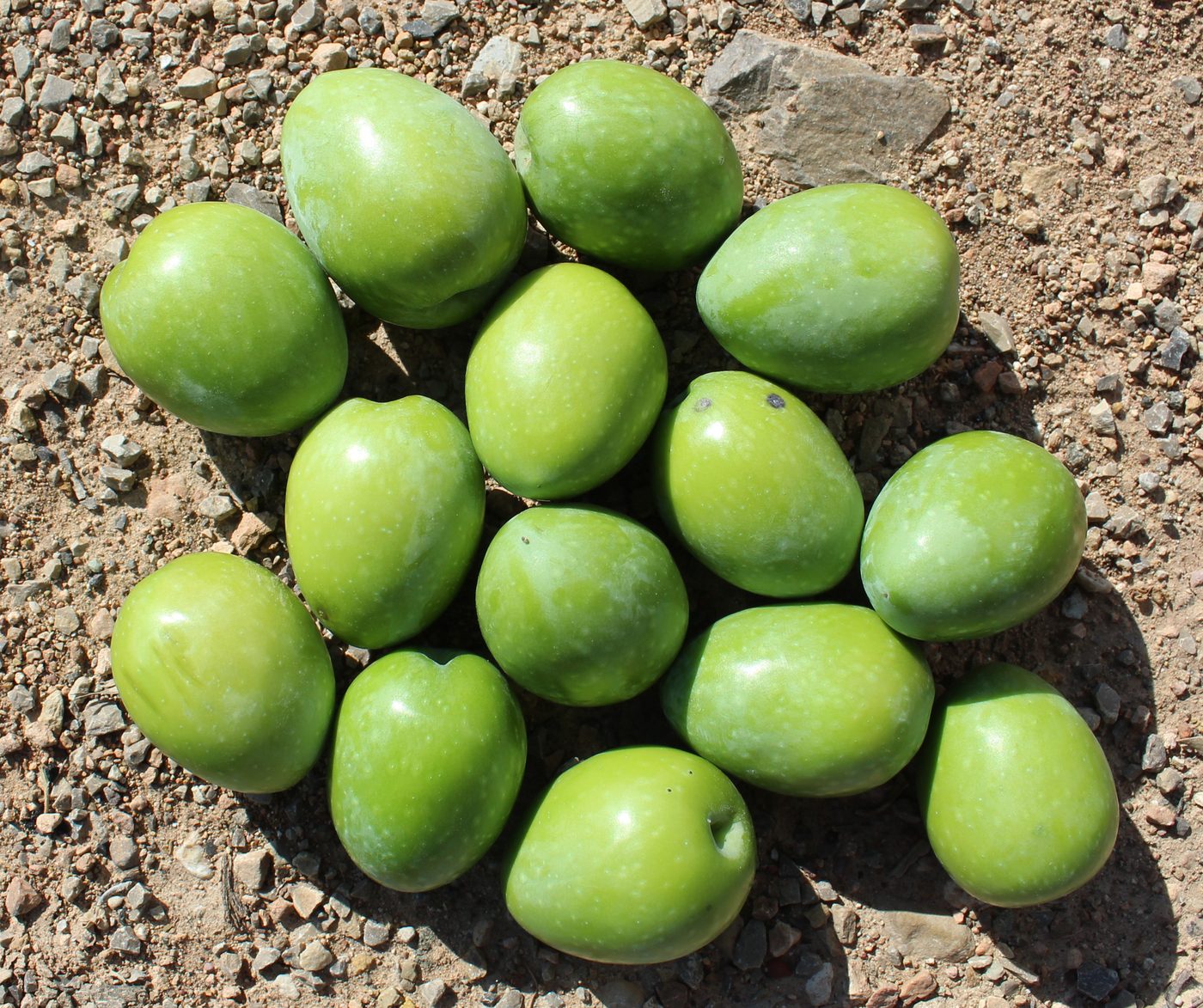
As something to nibble with a drink, the olive beats almost everything in the snack aisle. It is a whole, minimally processed fruit, rich in the same monounsaturated fat as its oil, carrying a little fibre and some antioxidants — not a fried, salted, ultra-processed crisp. Swap the bowl of crisps for a bowl of olives and you have traded up on almost every count, with only one thing to keep an eye on.
Why the olive wins
A crisp is a thin slice of potato fried in cheap oil and dusted with salt and flavourings — the definition of ultra-processed. An olive is a fruit that was picked and cured. Its fat is the heart-friendlier monounsaturated kind, the same that makes olive oil worth eating, and it comes with fibre, a little vitamin E and the plant antioxidants that give olives their character. Calorie for calorie it is more satisfying and far more interesting on the tongue.
The one honest caveat: salt
Olives are cured in brine, so they are salty, and they are calorie-dense because they are mostly fat. ‘Healthier than crisps’ is not ‘eat the whole jar’. If you are watching your salt, tip the olives into a sieve and give them a quick rinse to knock back the surface brine, and keep the serving to a small bowl rather than a trough. Do that and the caveat all but disappears.
This is general information, not medical advice.
Make them the best thing on the table
A little effort turns a plain jar into something special. Warm a bowl of olives gently with strips of citrus peel, a smashed garlic clove, a bay leaf and a good glug of extra virgin, and they come alive — fragrant, glossy and far more moreish than anything from a packet. Serve them warm, and the humble olive quietly upstages every other nibble on the table.
| What it is | A whole cured fruit — minimally processed |
|---|---|
| Main fat | Monounsaturated — the heart-friendlier kind |
| Also brings | Fibre, a little vitamin E, plant antioxidants |
| Energy | Roughly 4–5 kcal per olive — fat-dense |
| The caveat | Salty from brine; rinse and keep portions small |
| vs crisps | Whole food vs fried, salted, ultra-processed |
What to take from it
- Olives are a whole-food snack — a big step up from crisps.
- Their fat is the heart-friendlier monounsaturated kind.
- The only real catch is salt — rinse them and keep the bowl small.
- Warm them with citrus, garlic and good oil to make them special.
- ‘Better than crisps’ does not mean the whole jar.
Olives as a snack: common questions
Are olives actually a healthy snack?
Yes, as savoury snacks go. They are a whole, minimally processed fruit rich in monounsaturated fat, with some fibre and antioxidants — far better than fried, ultra-processed crisps. Just mind the salt.
Why are olives so salty?
Because they are cured in brine to make the raw, bitter fruit edible. If you are watching your salt, rinse them briefly in a sieve before serving to reduce the surface brine.
Are olives fattening?
They are calorie-dense because they are mostly fat — roughly 4–5 kcal each — but it is the heart-friendlier monounsaturated kind. A small bowl is sensible; a whole jar in one sitting is not.
Green or black — which is healthier?
Broadly similar. Colour mostly reflects ripeness and cure rather than a big nutritional gap. Choose by taste, and watch the salt either way.
How can I make olives more of a treat?
Warm them gently with citrus peel, garlic, herbs and a good glug of extra virgin olive oil. It takes minutes and turns a plain jar into the best nibble on the table.
The olive is the rare ‘healthy’ snack that is genuinely nicer than the junk it replaces, which is why it actually works — nobody sticks with a virtuous snack they do not enjoy. The only discipline it asks is portion and salt: a small bowl, a quick rinse if you are watching sodium, and you are done. Warm them with citrus and good oil and you will not miss the crisps at all.
Drawn from olive nutrition basics and curing practice.