Liquid Olive leaf extract makes European debut in UK
Every pruning season a grove produces tonnes of leaf that was historically burnt or composted. Turning that into a supplement is genuinely good use of a waste stream — which is a separate question from whether the claims printed on the bottle stand up.
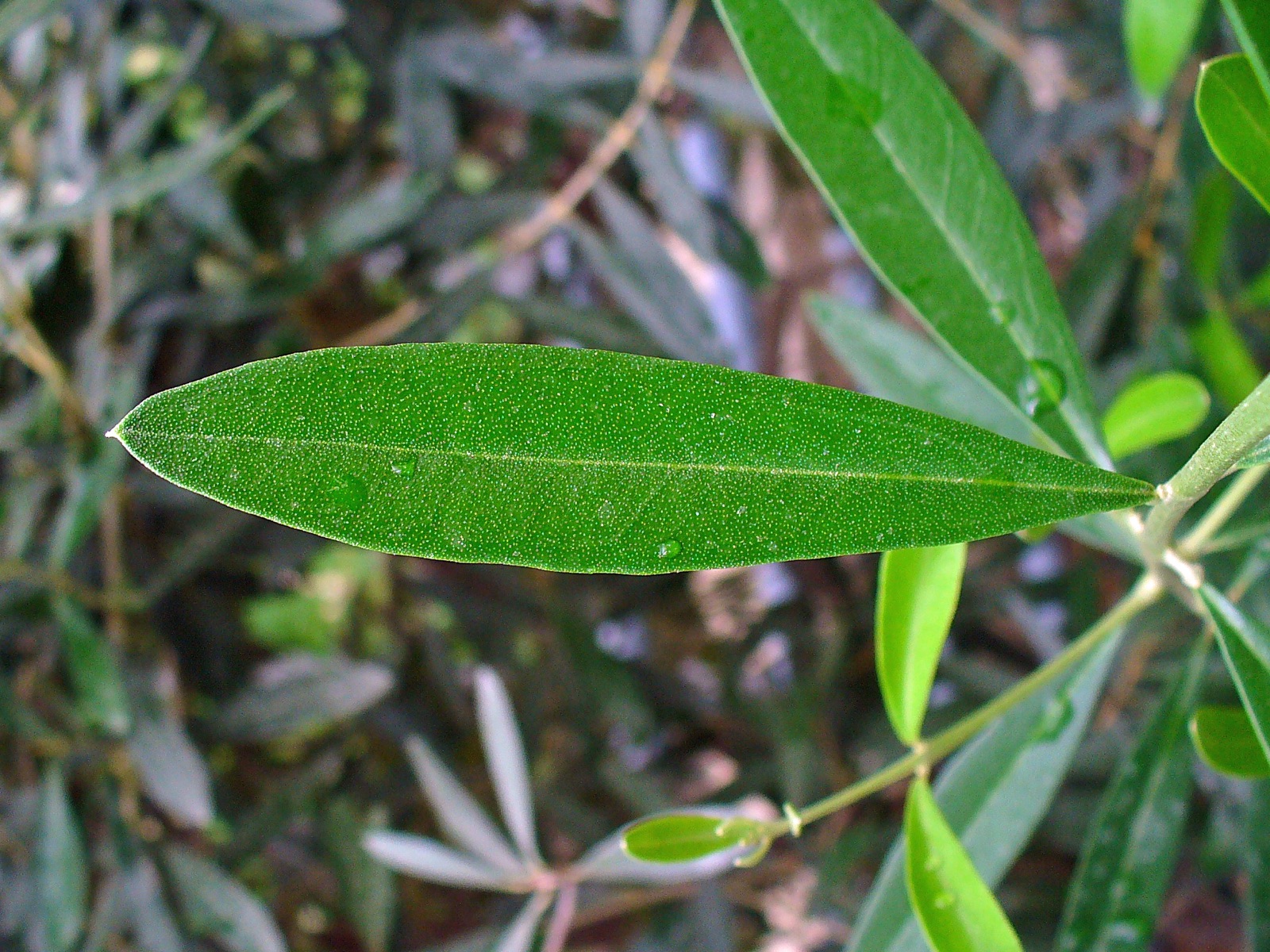
Olive leaf has a long history as a folk remedy around the Mediterranean, usually as a bitter tea, and a much shorter history as a commercial supplement — first in capsules and powders, and later as liquid extracts sold at prices that would surprise anyone who has watched a pruning crew feed leaf into a chipper. That contrast is the honest starting point. Leaf is abundant, it is free, and every grove generates it by the tonne every winter. Anything that turns that stream into a product instead of a bonfire is worth taking seriously. The question is only ever what the finished product actually contains and does.
What is in an olive leaf
The dominant compound is oleuropein — the same bitter phenolic that makes a raw olive inedible, and which is far more concentrated in the leaf than in the fruit or the oil. Alongside it sit hydroxytyrosol, oleuropein’s better-known breakdown product, plus verbascoside, tyrosol and a range of flavonoids. This is a genuinely phenol-rich plant material, and nobody serious disputes that.
What varies enormously is how much of it survives into the bottle. Leaf phenolic content depends on the age of the leaf, the season it was cut, the variety, how quickly it was dried and at what temperature, the solvent and method used for extraction, and the form the product takes. Two supplements can carry the same words on the front and differ by an order of magnitude inside. This is why a standardised extract, stating a guaranteed percentage of oleuropein and a defined dose, is not marketing decoration — it is the only thing that makes a product comparable to the one that was studied.
The antioxidant-number trap
You will be told that olive leaf extract has many times the antioxidant level of extra virgin olive oil, several times that of a fashionable berry, or double that of green tea. Those figures are usually real measurements. They are also close to meaningless as health claims, and it is worth understanding why.
They come from test-tube assays that measure how well a substance neutralises a reactive compound in a glass vessel. They say nothing about how much of that substance survives digestion, how much is absorbed, what it is converted into, where it ends up, or whether any of it does anything useful in a human body. The point is not academic: the United States Department of Agriculture withdrew its own widely quoted antioxidant capacity database in 2012, precisely because the values were being used to imply health benefits that had not been demonstrated. When a label leads with a multiple rather than a trial, that is what you are looking at.
What the human evidence shows
Modestly encouraging, and worth stating without inflation. Meta-analyses of randomised controlled trials find that olive leaf extract supplementation is associated with small reductions in blood pressure — on the order of a few millimetres of mercury in systolic pressure, with somewhat larger effects reported in people who are already hypertensive. Some trials also report modest effects on blood lipids. Evidence for other claimed benefits, including glucose control and inflammatory markers, is generally judged low or very low quality.
Regulators have been correspondingly cautious. European assessment of olive leaf polyphenol claims has noted that submitted studies did not establish the proposed mechanisms, and the authorised olive polyphenol claim in Europe concerns olive oil and the protection of blood lipids from oxidative stress rather than the leaf and blood pressure. This is general information, not medical advice — and blood pressure in particular is a subject to discuss with a doctor, especially if you already take medication for it, since additive effects are a real consideration rather than a theoretical one.
| Oleuropein | Principal phenolic of the leaf; far more concentrated in leaf than in fruit or oil |
|---|---|
| Hydroxytyrosol | Breakdown product of oleuropein; the compound named in the EU olive oil polyphenol claim |
| Verbascoside & flavonoids | Additional phenolic constituents; contribute to measured antioxidant activity |
| Source of raw material | Pruning waste — abundant, seasonal, and highly variable in quality |
| Key quality marker | A standardised, stated oleuropein percentage and a defined daily dose |
| Human evidence (blood pressure) | Small average reductions in randomised trials, larger in hypertensive participants |
| Human evidence (other markers) | Generally low to very low quality; not a basis for firm claims |
| Regulatory position | No authorised EU claim for leaf extract and blood pressure; the authorised olive polyphenol claim concerns olive oil |
How to read an olive leaf product
- Look for a standardised oleuropein percentage. If the label will not state it, you cannot compare the product to any study.
- Check the dose, not the bottle size. A large liquid volume at a low concentration is not a strong product.
- Discount the antioxidant multiples. Test-tube comparisons to green tea or berries do not predict effects in people.
- Treat blood-pressure claims carefully. The effect measured in trials is real but modest, and it is not a substitute for treatment.
- Talk to your doctor if you take medication. Particularly for blood pressure, where effects can add up.
- Remember the tea exists. Olive leaf infusion is the traditional, inexpensive form, and it is a perfectly reasonable place to start.
Olive leaf extract: common questions
What is olive leaf extract made from?
The leaves of the olive tree, largely a by-product of pruning. They are dried and extracted to concentrate phenolic compounds, principally oleuropein.
Is olive leaf stronger than olive oil?
In phenolic concentration, yes — oleuropein is far more abundant in leaf than in oil. That is a measure of chemistry, not of proven health effect.
Does olive leaf extract lower blood pressure?
Randomised trials find small average reductions, with larger effects in people who are already hypertensive. It is not a replacement for medical treatment, and you should speak to a doctor before adding it if you are being treated.
Why should I be sceptical of antioxidant comparisons?
Because they come from test-tube assays that do not account for digestion, absorption or metabolism. The USDA withdrew its own antioxidant database in 2012 because such values were being misused to imply health benefits.
What should I look for on the label?
A standardised percentage of oleuropein, a clearly stated daily dose, and manufacturing information. Without a standardised figure, one product cannot be meaningfully compared with another.
I have a mixed view of the leaf business, and it is not the one you might expect. I am genuinely glad someone found a use for pruning waste — that is good farming economics and it puts a little money back into groves that need it. What bothers me is the pricing logic. You are being sold a free raw material, and the honest value added is entirely in the drying, the extraction and above all the testing. So buy from a producer who will tell you the oleuropein percentage, and treat anyone who leads with a comparison to superfruit as someone selling a number rather than a product.
Drawn from published research on olive leaf phenolic composition, meta-analyses of randomised trials of olive leaf extract on cardiovascular markers, European regulatory assessment of olive polyphenol claims, and the 2012 withdrawal of the USDA antioxidant capacity database.