Australia’s Heatwave shrivels olive crop
Olive trees are drought-tolerant, which is why people assume the crop is too. It is not. The tree endures; the flowers, the fruit set and the oil accumulation are all far more fragile, and a single hot fortnight can decide a season.
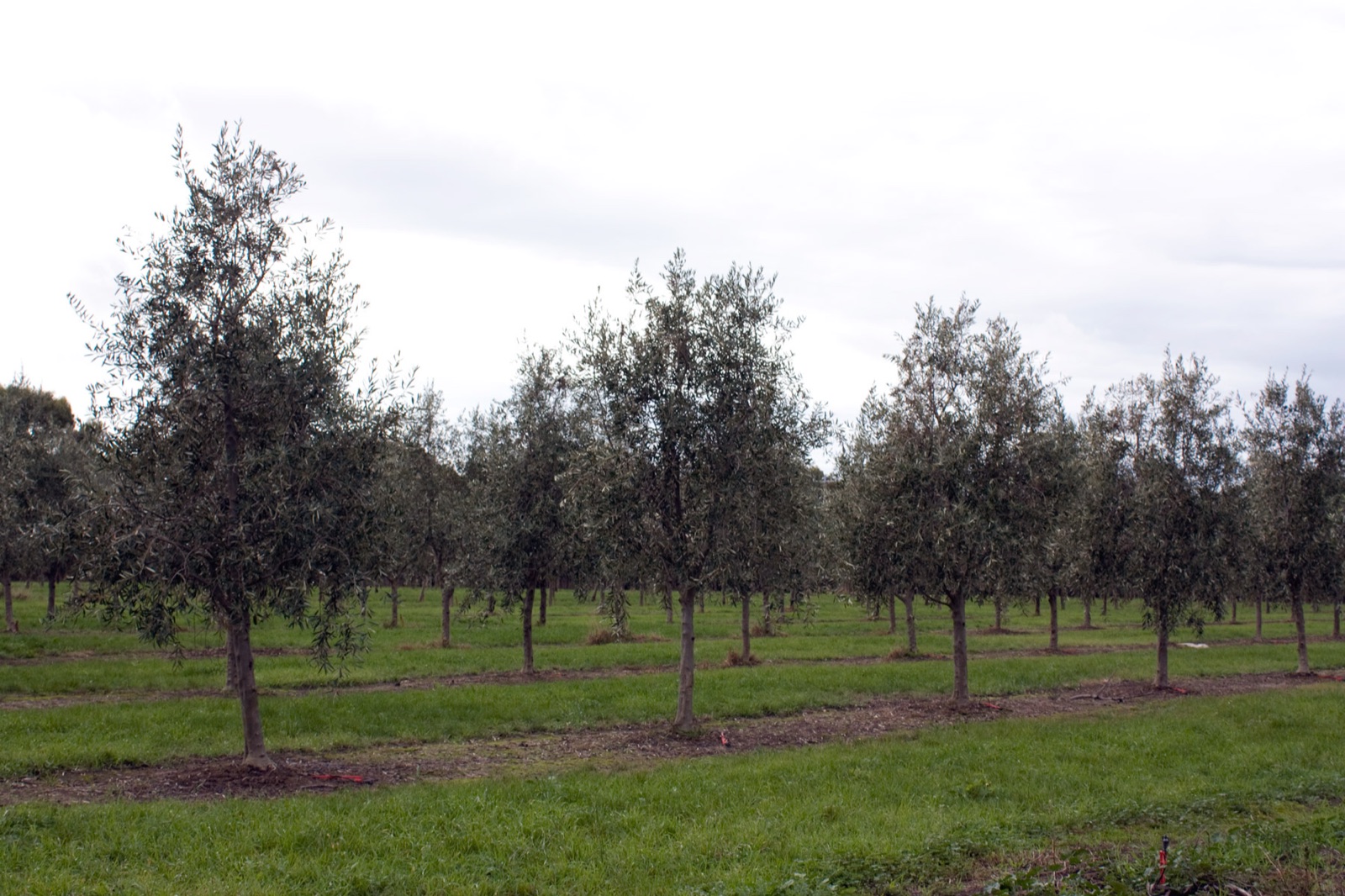
When a heatwave hits an olive-growing region, the reporting tends to describe shrivelled fruit and disappointed growers, and to leave it there. What is worth understanding is the mechanism, because the olive tree’s famous toughness is genuine and completely beside the point. An olive will survive conditions that kill almost any other fruit tree. Surviving is not the same as cropping, and the distance between those two things is where an entire season is won or lost.
The tree survives; the crop is fragile
An olive’s drought strategy is essentially defensive. Deep roots, small leathery leaves with a waxy cuticle and dense hairs on the underside, and the ability to close its stomata and effectively shut down for weeks. That is what lets a two-hundred-year-old tree ride out a summer with almost no water. But shutting down means not photosynthesising, and not photosynthesising means not filling fruit with oil. The tree pays for survival with the crop, and it does so quite deliberately.
Worse, the damage is largely invisible until it is too late. A grove under severe water stress can look perfectly healthy from the road in February while the fruit on it is small, hard and low in oil. Growers do not discover the true scale until the mill weighs the fruit and reports the yield.
| Stage | Roughly when | What heat or drought does | What a grower can do |
|---|---|---|---|
| Winter chilling | Winter | Too mild a winter and flower buds are never properly induced | Choose cultivars matched to the local chill; nothing else works |
| Flowering | Spring | Above roughly 35 degrees Celsius during bloom, pollen viability and fruit set collapse | Almost nothing in the moment; site and cultivar choice beforehand |
| Fruit set and early growth | Late spring | Water stress causes heavy fruit drop | Protect irrigation supply if any exists |
| Pit hardening | Early summer | The classic deficit irrigation window; stress here costs fruit size | Deliberate controlled deficit, then resume watering |
| Oil accumulation | Late summer to autumn | The most damaging time to run dry; oil content simply stops rising | Prioritise water here above all other stages |
| Ripening and harvest | Autumn to early winter | Extreme heat shrivels fruit and raises acidity | Harvest earlier and mill immediately |
Three moments that decide the year
The first is winter. Olives need a period of cool weather to induce flower buds properly; a winter that is too warm produces poor flowering months later, and no amount of summer irrigation can fix it. This is one of the quieter, more serious long-term concerns in warming Mediterranean-type climates, and it does not make headlines because the damage is done in a season nobody photographs.
The second is flowering. Olive flowering is brief and intensely vulnerable. Sustained heat above roughly thirty-five degrees during bloom damages pollen viability and wrecks fruit set. A five-day heat spike at exactly the wrong moment can cost more of the crop than a month of drought later.
The third is oil accumulation in late summer and early autumn. This is when the fruit actually fills with oil, and it is the stage where water shortage translates most directly into a smaller harvest and lower oil content. Experienced growers who must ration water deliberately stress the trees earlier, during pit hardening, in order to have water available at this stage. That practice — regulated deficit irrigation — is one of the genuinely clever pieces of modern olive agronomy.
Why a bad year is often two bad years
Olives bear alternately: a heavy crop suppresses the following year’s flowering, and a light crop is often followed by a heavy one. Stress interacts with that rhythm in both directions. A heat-damaged year can leave the tree with reserves for a strong rebound, or, if the stress was severe and prolonged, can weaken it into a second poor season. This is precisely why single-year production figures are such unreliable evidence for anything, and why growers talk in two-year blocks while journalists talk in seasons.
Pests complicate it further. Warm, dry seasons favour scale insects and change the behaviour of the olive fruit fly, and a grove already weakened by water stress copes badly. Growers who describe a heatwave year usually mention a pest problem in the same breath, and they are not changing the subject — it is the same problem.
What this means if you buy the oil
- Small-country vintages vary enormously. Treat Australian, Chilean and South African oils as vintage products and expect year-to-year differences.
- Buy southern hemisphere oil during the northern summer. It was harvested in April to June and is months fresher than northern stock from the previous autumn.
- A hot year usually means lower yield, not worse oil, provided the fruit was harvested early and milled fast.
- Watch for high acidity claims in extreme years; heat-shrivelled and insect-damaged fruit raises free acidity.
- Support producers who publish harvest dates and yields. Transparency about a hard year is a good sign, not a bad one.
- Do not read one bad harvest anywhere as proof of a trend. Read ten.
Heat, drought and olives: common questions
Are olive trees drought-tolerant?
Very. Deep roots, waxy leaves and the ability to shut down for weeks let olives survive conditions that kill most fruit trees. But surviving and producing a crop are different things, and the crop is far more sensitive than the tree.
What temperature damages olive flowering?
Sustained heat above roughly thirty-five degrees Celsius during bloom impairs pollen viability and fruit set. Flowering is brief, so a short heat spike at the wrong moment can be very costly.
Do olives need cold winters?
They need a period of cool weather to induce flower buds properly. Winters that are too mild produce poor flowering the following spring, which is a long-term concern in warming regions.
What is regulated deficit irrigation?
Deliberately watering less during pit hardening, when the olive tolerates stress relatively well, in order to save water for oil accumulation later, when shortage does the most damage.
When is the Australian olive harvest?
Roughly April to June. That is why southern hemisphere oils are at their freshest in the northern summer, when northern hemisphere bottles are already six months or more past harvest.
There is a buying trick hidden in all this that almost nobody uses. In July, in a European or North American shop, the Italian and Spanish bottles on the shelf were milled the previous autumn — eight or nine months earlier. The Australian, Chilean or South African bottle beside them was milled in May. It is often cheaper, because it lacks the prestige, and it is very often the fresher oil in the shop. Buy across the equator in summer and back home in winter, and you will drink better oil all year for the same money.
Drawn from published olive agronomy on flowering, chilling requirement, water stress and regulated deficit irrigation, and from Australian olive-growing regional practice.