Montoro-Adamuz Joins the EU Register of Protected Olive Oils
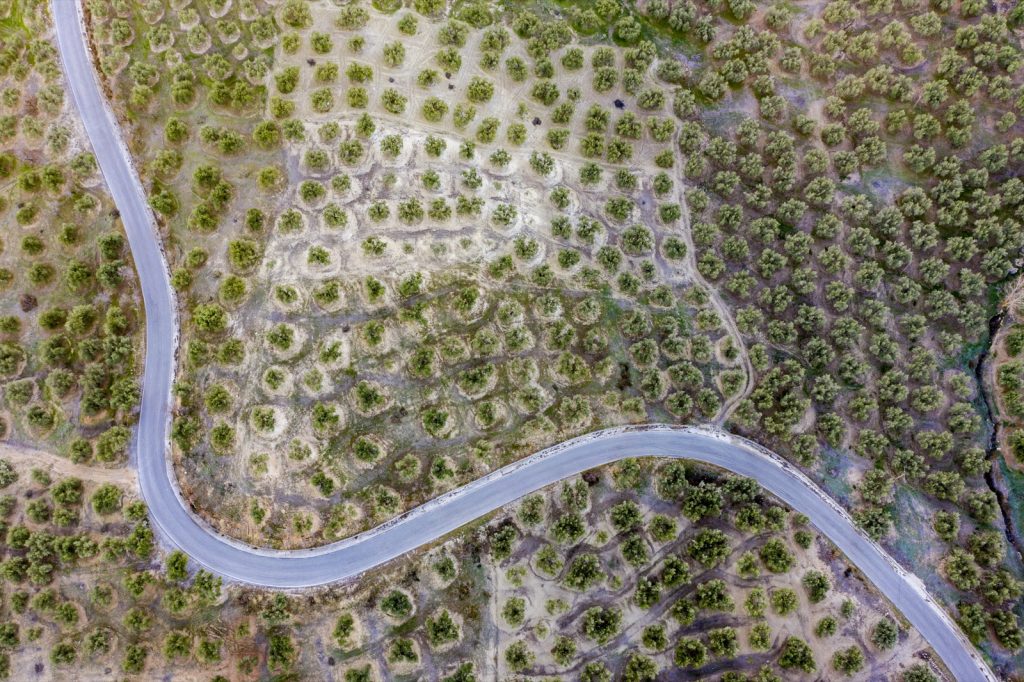
Montoro-Adamuz, an extra virgin olive oil from the Sierra Morena hills of Córdoba province, is now a Protected Designation of Origin across the European Union: the Commission’s registration regulation, adopted on December 17, is published in the Official Journal today. Its specification sets demanding limits, including a minimum of 700 parts per million of polyphenols. Here is what the name protects, what the specification demands, and why the soil is the heart of the case.
What was decided
Commission Regulation (EU) No 1215/2010 enters the name “Montoro-Adamuz” in the European register of protected designations of origin and protected geographical indications. Spain’s application was published in the Official Journal in May, and because no objection reached the Commission in the six months allowed, the name goes on the register. The regulation takes effect twenty days after publication.
The designation covers eight municipalities in the north of Córdoba province: Montoro, Adamuz, Espiel, Hornachuelos, Obejo, Villaharta, Villanueva del Rey and Villaviciosa de Córdoba. The area runs from the Guadalquivir valley in the south up into the Sierra Morena, bordered by the Pedroches valley to the north, the mountains of Andújar in Jaén to the east and the hills north of Seville to the west.
What the specification demands
The oil must be extra virgin, made from Nevadillo Negro, Picual, Lechín de Sevilla, Picudo and Carrasqueño de la Sierra olives. Picual and the local Nevadillo Negro are the main varieties and together must make up more than 98 percent of the blend. Several of the limits are tighter than the general EU rules for extra virgin, and some have no equivalent in them at all.
| Parameter | Montoro-Adamuz PDO |
|---|---|
| Free acidity | Maximum 0.5% |
| Peroxide value | Maximum 20 mEq O2/kg |
| K270 | Maximum 0.18 |
| Total polyphenols | Minimum 700 ppm |
| Oxidative stability | Minimum 80 hours at 100°C |
| Oleic acid | More than 78% |
| Median fruitiness (panel) | Greater than 4, with no defects |
The single document that sets out the specification is frank about why: the oil’s defining feature is its high polyphenol content, “responsible for the characteristic bitterness of the oil, and for its great chemical stability against oxidation”. If you want to know what those numbers mean, our pieces on oxidative stability and on the K232 and K270 numbers explain them in plain terms.
Why the soil makes the case
Every designation has to show a link between the product and its place, and Montoro-Adamuz has an unusual one. According to the specification, this is the only olive growing area in Andalusia planted on soils of Paleozoic origin: granite, slate, quartzite and diorite, acid, with a pH of 5 to 5.6, and shallow. The other olive groves of southern Spain, it says, grow on limestone soils that are alkaline. The area sits in the Sierra Morena, whose southern edge is the great fault line of the Guadalquivir basin.
- Bottles must carry the words “Denominación de Origen Protegida Montoro-Adamuz”, the designation’s logo and a numbered back label.
- The oil may be packed only in glass, metal or ceramic food-grade containers, unless the regulatory council authorizes another inert material.
- Olives must be grown and the oil made inside the designated area.
For shoppers, the practical value is the numbered back label, which ties each bottle to a controlled lot. Our guide on how to read an olive oil label shows how a protected name differs from a plain statement of origin.
A minimum of 700 ppm of polyphenols is a serious commitment, because polyphenols fall as fruit ripens and as oil ages. It pushes producers toward earlier harvest and fresher bottling, and it means the oil will taste bitter and peppery, which some shoppers mistake for a fault. If you buy a high-polyphenol designation oil and find it harsh, use it on beans, grilled vegetables or bread rather than in a delicate dressing, and remember that the bitterness softens over the months after milling. Do not decide it has gone off.