Queensland Floods Swamp a Young Olive Industry
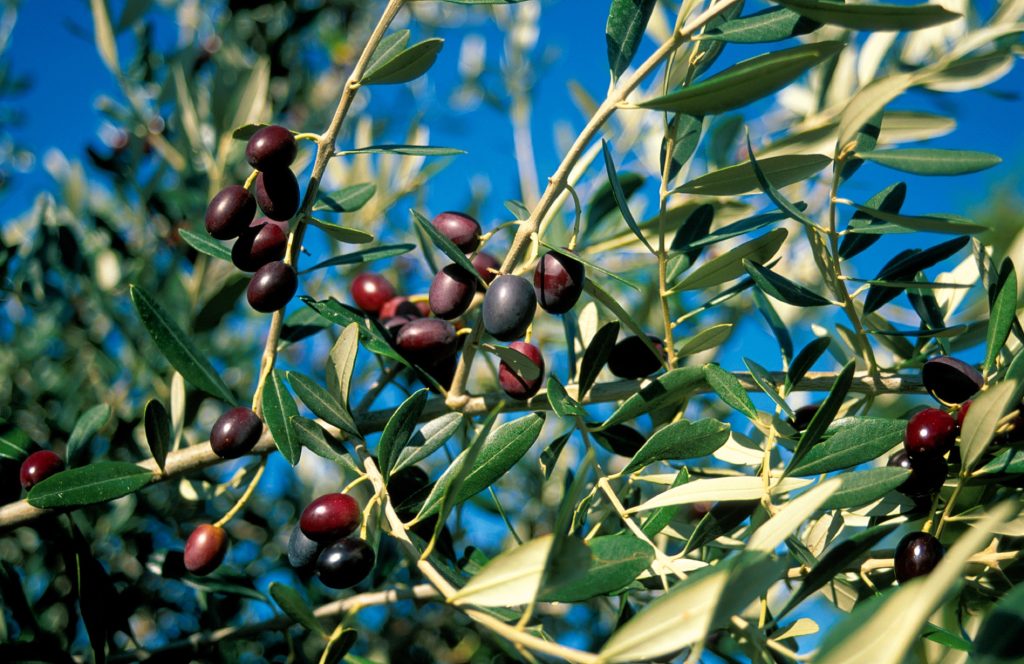
The floods sweeping south-east Queensland and northern New South Wales have hit the region’s young olive groves just weeks before what growers expected to be their biggest harvest yet. This note covers what we know so far, why the timing is so cruel for a new industry, and what it may mean for Australian olive oil this year.
What happened
The Bureau of Meteorology calls this the most significant flooding in Australia since at least the 1970s. In a special climate statement on 7 January it said December 2010 was the wettest December on record for Queensland and for eastern Australia as a whole. It came straight after the state’s wettest spring on record and during the strongest La Niña since at least the mid-1970s, so the catchments were already full when the latest rain arrived. Since then, flash floods have swept through towns across the south-east and Brisbane itself has been inundated.
For olive growers the news is arriving in fragments. Amanda Bailey, Queensland director of the Australian Olive Association, told Olive Oil Times she was trapped by floodwater at her hilltop property near Toowoomba and had not yet been able to reach most growers. What she did know was grim. One producer who had about 50,000 kilos of fruit on his trees has lost all of it, and expects to lose the grove itself to waterlogging. Growers in the Northern Rivers district of New South Wales could not be reached at all.
| What we know so far | Detail |
|---|---|
| December 2010 rainfall | Wettest December on record for Queensland and eastern Australia (Bureau of Meteorology) |
| Queensland olive trees | Well over one million young trees, many heading into their heaviest crop yet |
| Confirmed grove loss | One producer: about 50,000 kg of fruit gone, grove at risk from waterlogging |
| Wider disaster | More than 86 communities flooded, over 200,000 people directly affected |
| Northern Rivers, NSW | Growers not yet reachable |
Why the timing is so cruel
Queensland is not an old olive state. Its groves are young, and according to Bailey there are well over one million trees that were about to give their most abundant harvest so far. “This year was supposed to be the bumper crop,” she said, adding that there was “so much fruit on the trees”.
That matters more than it sounds. A new grove is an investment that has not paid for itself yet. The trees take years to come into full bearing, and the first heavy crop is when the sums finally start to work. Lose that crop and the payback slides another year. Lose trees as well and the clock goes back to the start.
Olive trees shrug off drought and heat, which is why people plant them in hard country. What they do not tolerate is wet feet. Roots sitting in saturated soil run short of oxygen, and a tree that stands in water too long can die. Bailey warned that even growers whose groves come through will have lost “their harvest, equipment, sheds and possibly their homes”.
What it means for buyers
Australia harvests in the southern autumn, so most of the country’s fruit is still on the trees and the full picture will not be known for weeks. A few things are already clear enough:
- Small Queensland and northern New South Wales labels may be short, or missing, from this season’s shelves. That is not a sign of a business failing; it is a sign of a crop that was never picked.
- Fruit that survives a long wet spell is more prone to rot and fungal disease. Careful growers will sort hard and some will pick less. Expect some local oils to be smaller releases than usual.
- Rain on this scale does not only fall on olives. Growers who lost sheds, machinery and roads will be rebuilding for months, and the association’s own people are among them.
Australian growers have been through freak weather before: the summer storms of 2007 and the 2008 heatwave both cost crops. What makes this one different is its size, and the fact that it fell on groves that were just coming of age. Anyone wishing to help can give to the Premier’s Disaster Relief Appeal run by the Queensland Government.
Wet years are harder on oil than dry ones. In a drought you get less fruit, but it is usually clean. In a wet season the mill sees split, bruised and rotting olives, and every one of them pushes acidity up and flavour down. The growers worth buying from next winter will be the ones who threw fruit away rather than press it. You will not see that on the label, but you will taste it.
Sources
- Olive Oil Times: Queensland Flood Destroys Bumper Harvest (January 2011 copy)
- Bureau of Meteorology: Special Climate Statement 24, issued 7 January 2011 (PDF)